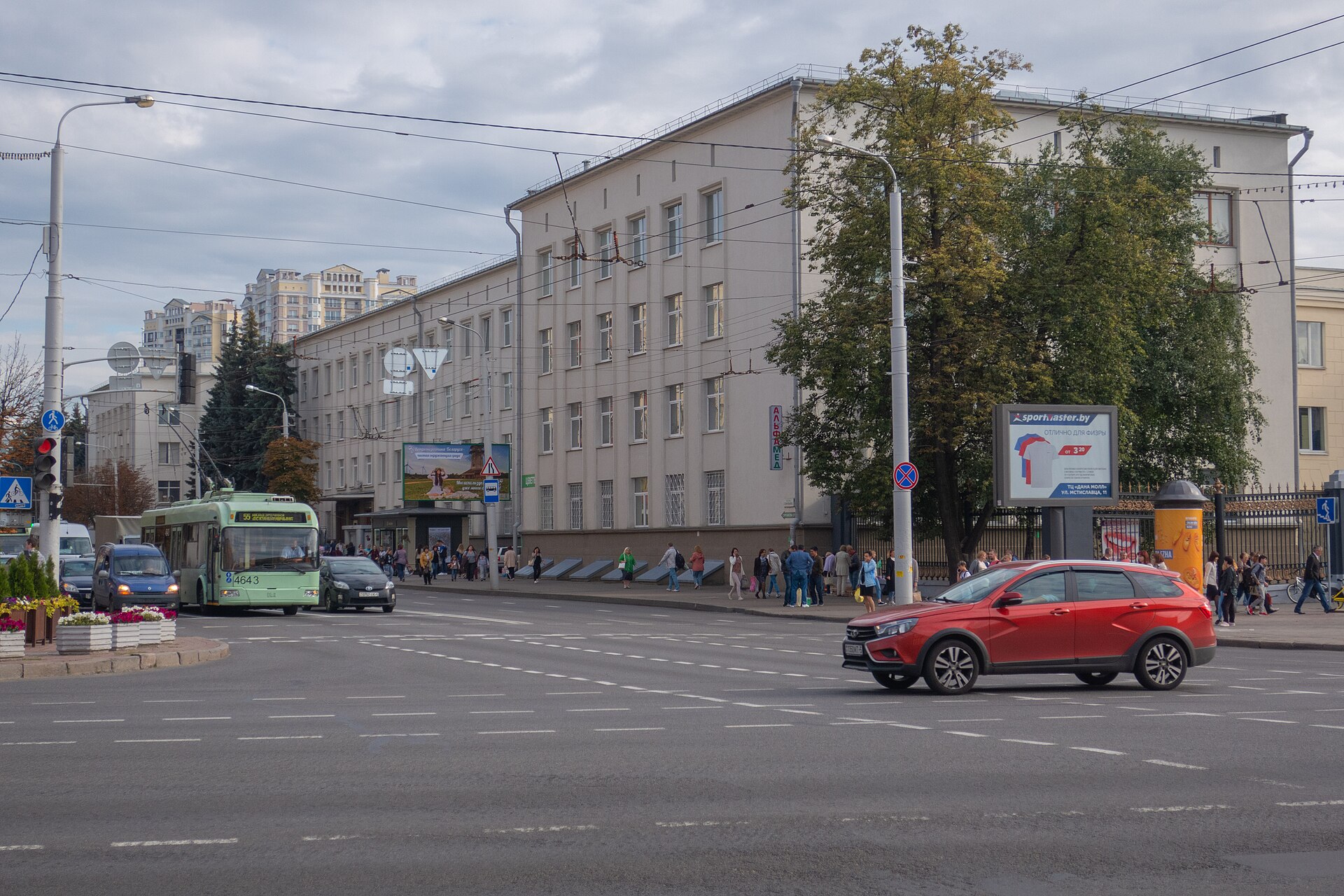
Minsk was almost completely destroyed in the war and rebuilt from zero to a single plan. The result is a rare thing in Europe: a whole city standing in one architectural style. The streets are excessively wide, the squares are large, and the cleanliness draws attention. No visa is required for citizens of Azerbaijan and there is a direct flight from Baku.
Independence Avenue and the centre
Independence Avenue is fifteen kilometres long and was built as a single architectural ensemble. For that reason it has been nominated for the UNESCO list. Along the avenue are Victory square, October square and the columned buildings. The best section for a walk is from the railway station to Victory square.
The two towers in front of the station are the city’s best-known gateway. The National Library building is in the shape of a diamond, and the whole city is visible from the viewing deck on its top floor; it is better to go there in the evening.
The old town and the museums
The small quarter called Trinity Suburb is the restored part of the old town and is on the riverbank. The Island of Tears beside it is dedicated to the victims of the Afghan war. On the Upper Town square stand the town hall and two churches.
The museum of the Great Patriotic War is housed in a modern building and is the country’s most important museum. The war passed especially heavily over the territory of Belarus, and seeing this in the museum helps you understand the city. The exhibition is large, so set aside two or three hours.
From Minsk to Mir and Nesvizh castles
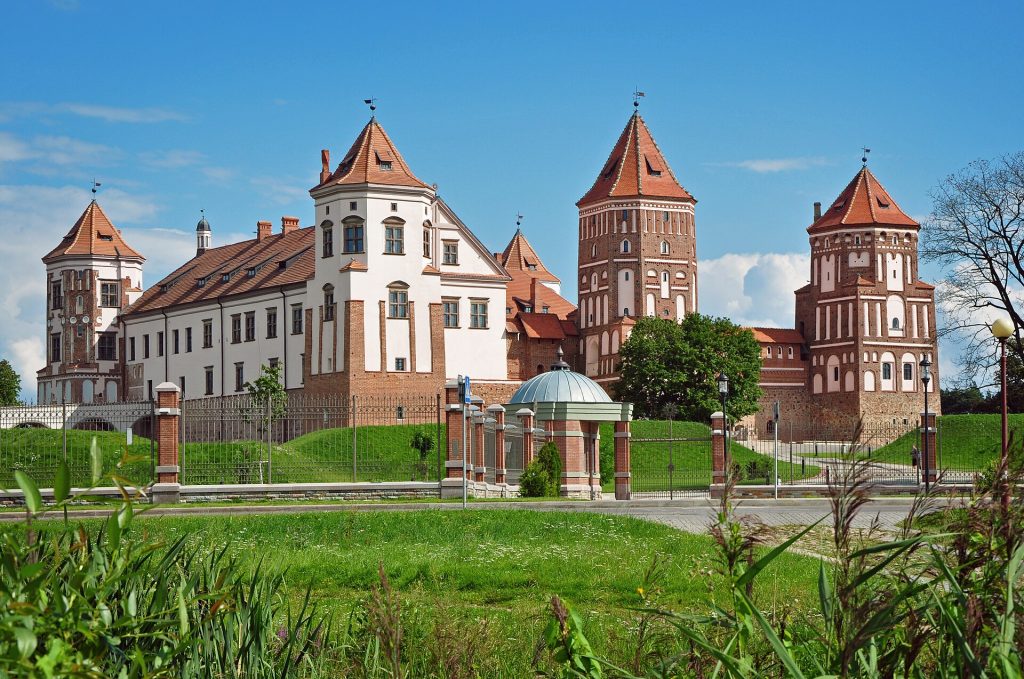
Mir castle is ninety kilometres from the city, is on the UNESCO list and is built of red brick. Nesvizh palace is close to it, was the residence of the Radziwill family and has a large park. Fitting both into one day is possible, because there are thirty kilometres between them.
The Khatyn memorial was built on the site of a burned village and is a heavy but important place. The Belovezh forest is among the oldest forests in Europe and the wild oxen called bison live there; the road takes three hours.
Read more: A Belarus travel guide: Minsk, Brest fortress, the sanatoriums and the train routes
Transport, money and food in Minsk
The metro has three lines and the stations are deep and tidy. The ticket is bought with a token or a card and is cheap. The airport is forty-five kilometres from the city and an express bus runs there. The taxi apps work and prices are low. There is a direct flight from Baku; check the air ticket options in advance, because the number of flights is small.
There are restrictions on foreign bank cards, so bring cash with you and change it on the spot. In the food, the potato pancake called draniki is the national classic, while machanka is served with a meat sauce. A three-star hotel is 35–70 dollars and lunch in a restaurant costs 8–15. Official tourism information is on the belarus.travel site.
Season in Minsk
May–September is the most comfortable period, the weather is 18–25 degrees and the parks come alive. Winter is long and cold and in January it drops well below zero, but in exchange the city looks beautiful in the snow. Autumn is rainy. August is the hottest month.
A last word
Minsk is an unexpectedly tidy and cheap city, and on top of that two UNESCO castles are a day trip away. Prepare your cash in advance, go up to the library’s viewing deck in the evening, and give a day to Mir and Nesvizh. For a visa and a route, fill in the application form.
Note: the prices in this article are those at the time of publication and may change with the exchange rate.
