The Federated States of Micronesia is a country of six hundred and seven islands in the middle of the Pacific and one of the least visited places on earth, fewer than twenty thousand tourists a year. Three kinds of people go there: diving enthusiasts for the Second World War ships on the floor of the Chuuk lagoon, history lovers for Nan Madol, the basalt city of Pohnpei, and those who want to «see every country». For us it is thirty days visa-free, but in practice the road runs through an American visa. In this article I have gathered the four states and the ways of getting there. Diving, accommodation, food, the season and the budget are in it too.
Micronesia in brief
| Capital | Palikir, on the island of Pohnpei; the largest town is Weno, Chuuk |
| Language | English official; each state has its own language |
| Currency | US dollar; cash is essential, cash machines are few |
| Visa | 30 days visa-free for citizens of Azerbaijan; a US visa for the transit |
| Best time | December–April relatively dry; rain all year round |
| Flights | United Island Hopper via Guam or Honolulu; over 30 hours |
| Daily budget | 150–250 dollars at a mid-range level |
How to reach Micronesia: the Island Hopper and the American visa
The only scheduled airline to Micronesia is United Airlines. The «Island Hopper» flight from Honolulu to Guam stops at Majuro, Kwajalein, Kosrae, Pohnpei and Chuuk, takes sixteen hours and is one of the most famous flights in the world; aviation enthusiasts travel purely for it. From Guam there are shorter flights to Pohnpei and Chuuk as well.
Know about one obstacle in advance. Guam and Honolulu are American territory, and even a transit requires an American visa, which is to say a Micronesia trip actually begins with a US visa. From Baku the route is built via Tokyo or Seoul to Guam, and from there to Pohnpei.
The alternative is the Brisbane–Nauru–Pohnpei line of Nauru Airlines, and that one asks for an Australian transit visa. The journey is 30–40 hours, tickets are 2,500–4,000 dollars, and the Island Hopper seats sell out months ahead. United flies between the states as well, and Pohnpei to Chuuk is an hour and 200–300 dollars. This is the most expensive and the hardest part of the country; the rest is simple.
Pohnpei, Chuuk, Yap, Kosrae: four Micronesias
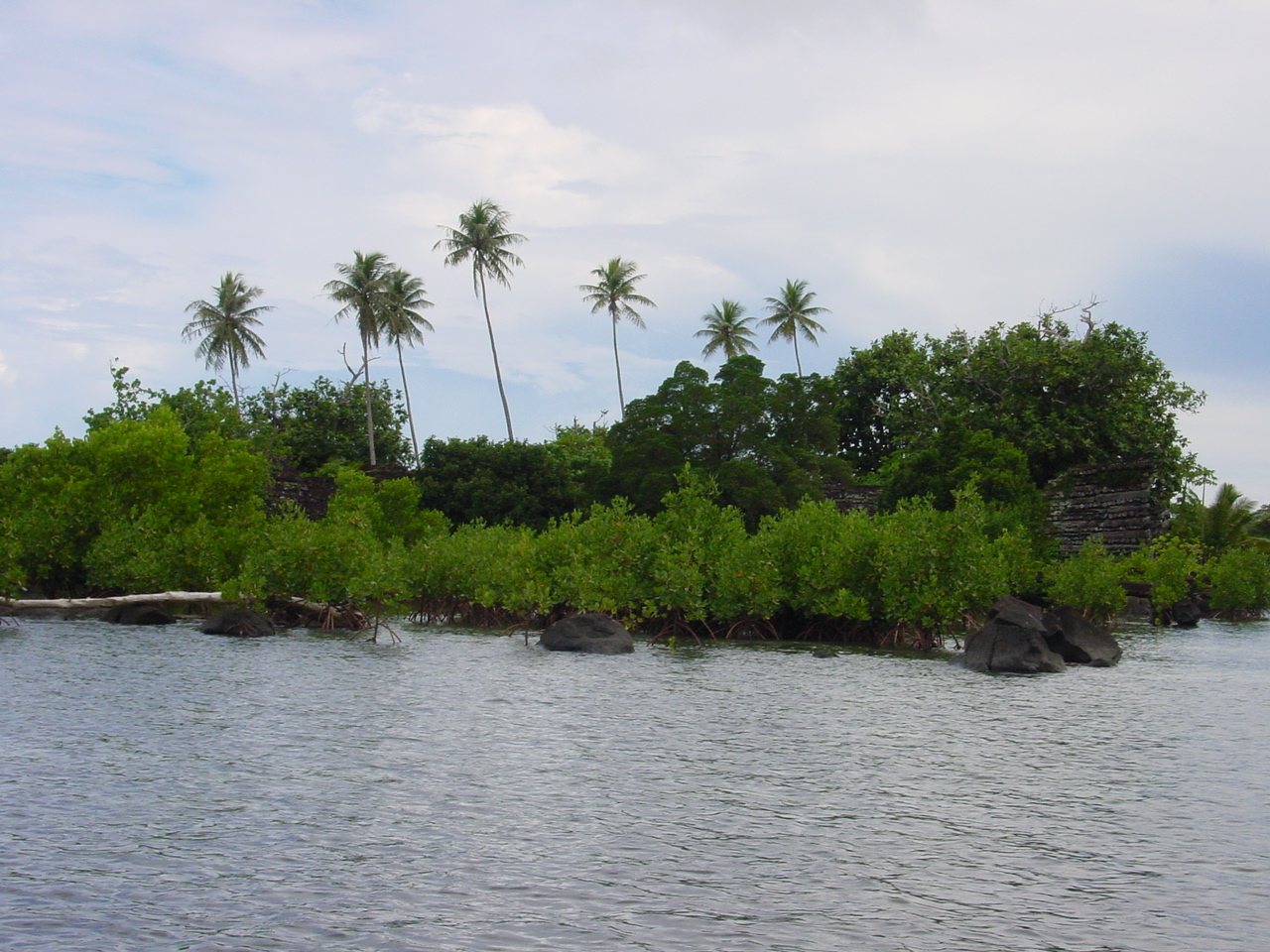
Pohnpei is the capital island: green, mountainous and one of the rainiest places in the world. Nan Madol is an eight-hundred-year-old city built of basalt columns on a hundred artificial islets above the lagoon. It is called «the Venice of the Pacific» and is on the UNESCO list. You get there by boat, or on foot at low tide, and entry is 5 dollars. You walk around it wondering who brought those stones and how. The Kepirohi waterfall and the Sokehs Rock hike are the island’s main routes. In the town of Kolonia a Spanish wall still stands. And in the evening the sakau kava bars open.
The Chuuk lagoon is the holy place of divers. More than sixty Japanese ships and aircraft sunk in 1944 are covered in coral, and this counts as the best wreck diving in the world. A live-aboard, that is a boat you sleep on, is 3,000–4,000 dollars a week, while shore diving costs 120–150 dollars a day. The town of Weno itself is plain.
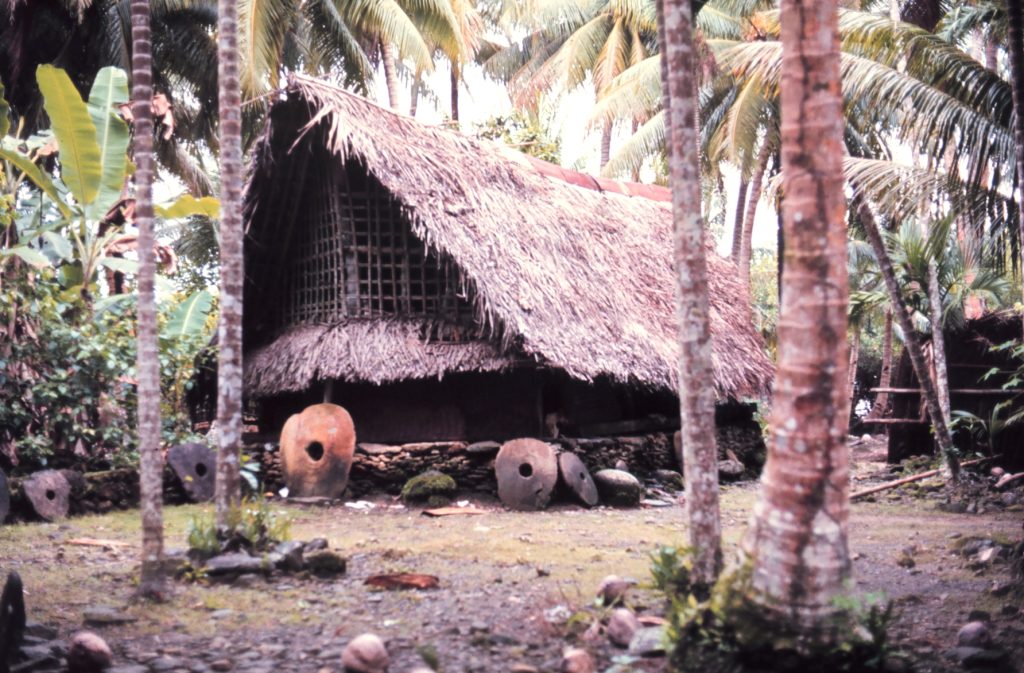
Yap is the most traditional state. The giant rai stone money still carries value in the villages and the men walk about in traditional dress. Diving with manta rays is possible all year, and there are two flights a week from Guam.
Kosrae is the smallest and quietest state. The Lelu stone ruins, an untouched reef and ecotourism are there.
Accommodation, transport and preparation in Micronesia
Each island has only a handful of hotels, the choice is limited and all of them are booked in advance. On Pohnpei the price is 100–200 dollars, in Chuuk the Blue Lagoon Resort with diving packages is 150–250, on Yap the Manta Ray Bay Resort 150–300, and on Kosrae eco-lodges cost 100–180.
Taxis on the islands are cheap, and a ride across town on Pohnpei is 2–3 dollars. Car hire runs to 50–80 dollars; the roads are asphalt on Pohnpei and dirt on the other islands. You reach Nan Madol and the Chuuk wrecks by boat, and the hotel arranges that.
Take the preparation seriously. The internet is slow and expensive, so set your phone up with offline maps. Take cash dollars; cards work only in hotels, and cash machines on Pohnpei and Chuuk are few and unreliable. Bring medicine, sun cream and mosquito spray from Baku, since the local shops are limited. There is dengue and chikungunya but no malaria. Medical facilities are limited, evacuation insurance is a must for diving, and a diving certificate and logbook are required.
Food and culture
The cooking is built on the ocean and the garden. Grilled and raw tuna, and reef fish, are the main dishes. Taro and yam root, breadfruit, banana and coconut come as the side, and on Yap there are taro ponds.
On Pohnpei they drink sakau, a calming drink made from the kava root. In the evening it is served in a coconut shell at the markets and it numbs your tongue.
With the American influence there is plenty of tinned food and rice too. Lunch in a hotel restaurant is 10–15 dollars, dinner 20–30 and local eating houses 5–8; food is expensive overall because it is shipped from the United States. There are no halal restaurants, and fish and vegetables are the main option.
The rules of culture are taken seriously here. You ask permission to enter a village, on Yap village land is private and the rai stones are not touched. Shoulders and knees must be covered, and this applies to women in particular. On Sundays everything is shut, and alcohol is banned in some areas.
The people are very warm, but quiet and shy. Ask before you take a photograph, and when they say no, do not take it.
Read next: Do you need a visa for Micronesia? 30 days visa-free, but the road runs through an American visa
Season, budget and tickets
Near the equator it is 27–30 degrees and humid all year. From December to April the trade winds blow, the weather is relatively dry and the sea calm, and this is the best time for diving. June to November is rainier and the typhoon season starts, with Yap and Chuuk on the typhoon path. On Pohnpei it rains every month. An afternoon downpour is normal, an umbrella is pointless, you get soaked anyway.
The flight is the main cost and comes to 2,500–4,000 dollars. A ten-day trip covering two states fits into 2,500–3,500 dollars per person with accommodation, diving and the internal flights, and the international flight is not included in that.
The individual programmes are cheap. A Nan Madol tour is 60–80 dollars, and wreck diving in Chuuk 130 dollars a day. The number of hotels is very small, so check for a free room months ahead.
An air ticket to Guam is searched for with a Tokyo or Seoul connection, and the Island Hopper section is bought separately from the United site. Pacific islands tour packages combining Pohnpei, Chuuk and Yap settle the US visa, the transit and the diving bookings together, while planning this route on your own is the hardest option. Information about the states and the hotels is on the Visit Micronesia portal.
Frequently asked questions about Micronesia
How many days does a Micronesia trip need?
Because of the long journey at least eight to ten days: three or four for Pohnpei, four or five for diving in Chuuk. With Yap and Kosrae, two weeks.
Is it worth going without knowing how to dive?
Nan Madol, the culture of Yap and snorkelling are worth it without diving, but the country’s main attraction, the Chuuk wrecks, requires a diving certificate. On Pohnpei a certification course costs 400–500 dollars.
Can it be combined with Palau?
Yes, the United flight from Yap to Palau’s island of Koror is an hour. Palau gives citizens of Azerbaijan a visa on arrival and is among the most beautiful islands of the Pacific.
In closing
Micronesia is visa-free, but its road runs through an American visa, and it is expensive and far on top of that. That is exactly why it has stayed one of the most untouched island countries in the world. For someone who goes for the diving and the history it is a trip of a lifetime. The entry rules and the transit question are explained on the Micronesia page, and to arrange the US visa and the Pacific route together, fill in the application form.
Note: the prices here are as of the publication date and can change with the season.
