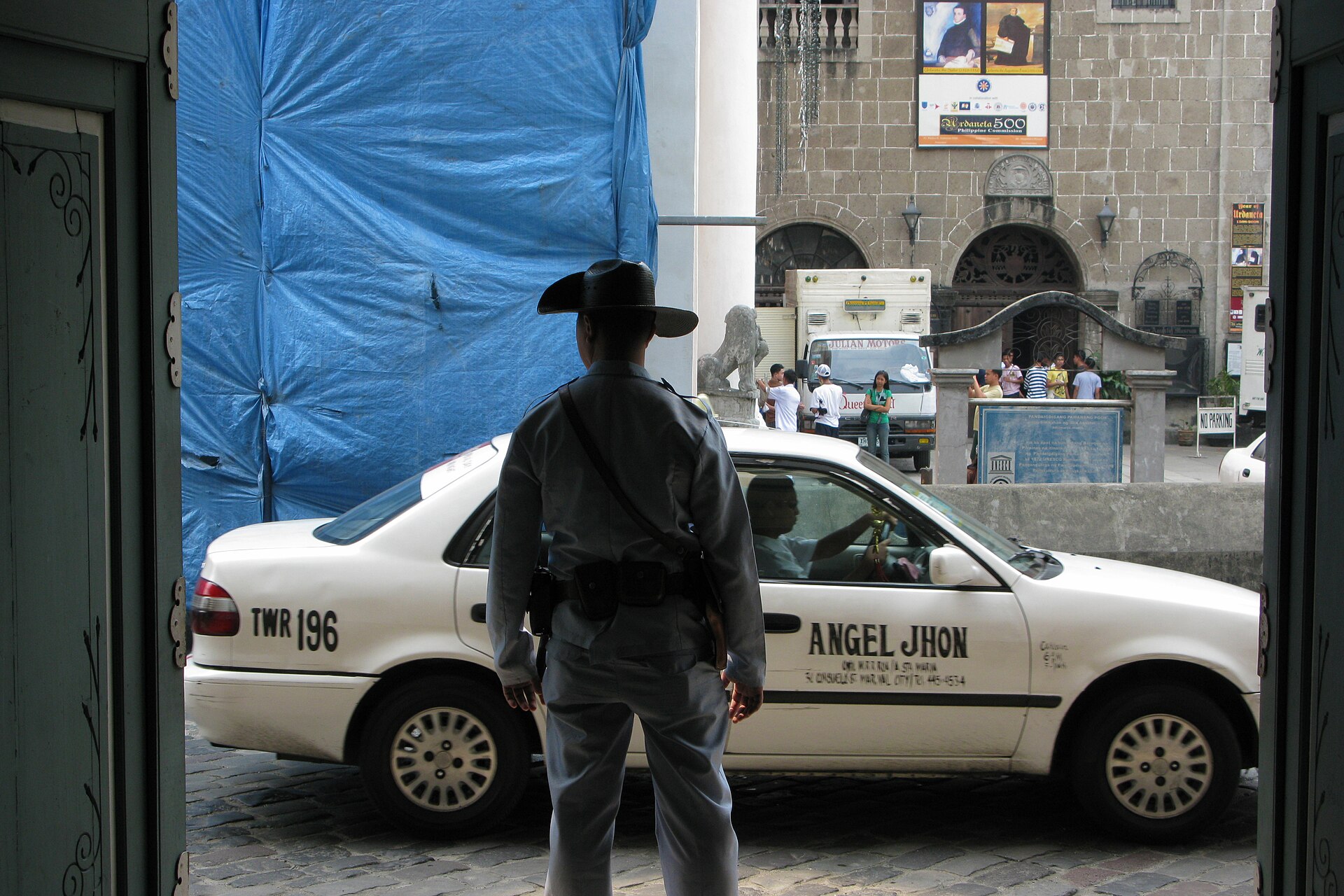
Manila is the capital of the Philippines and flights to all the country’s islands start here. The city is noisy, dense and full of traffic, but inside it there is a walled city remaining from the Spanish period. Most of those going to Palawan or Boracay spend one night here, and one day is worth it. Below I have written how to spend that day.
The walled city of Intramuros in Manila
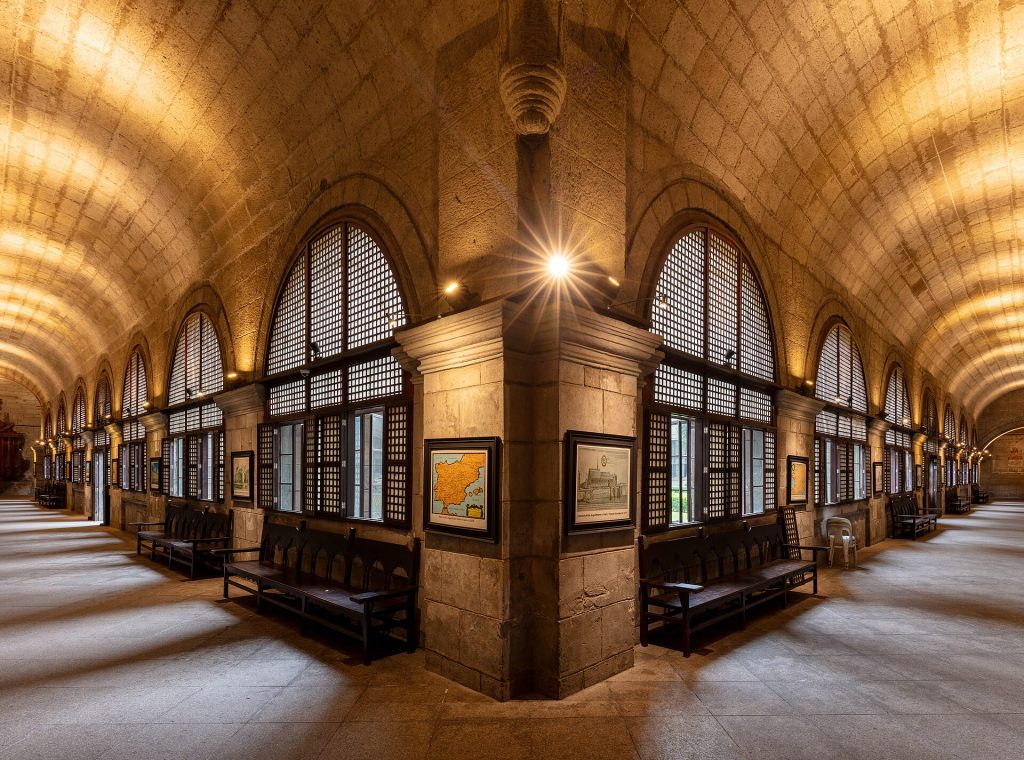
Intramuros is a walled city built by the Spanish in the sixteenth century and is the most valuable part of Manila. It was almost entirely destroyed in the Second World War and part of it was restored afterwards. You can walk along the top of the walls.
Fort Santiago was the city’s entrance gate and is the place where the national hero José Rizal spent his last days. The San Agustin church is the country’s oldest stone church and is on the UNESCO list. The two are side by side and half a day is enough.
Binondo, Rizal park and the modern districts
Binondo is considered the oldest Chinatown in the world and the best examples of Filipino-Chinese cooking are there. The street food is cheap, but when choosing, look for the place with a queue. Walking tours are often organised together with food.
Rizal park is the city’s central greenery and fills with locals in the evening. The Makati and Bonifacio districts show an entirely different Manila: tidy streets, skyscrapers and international restaurants. For staying the night these two districts are the safest and most comfortable option.
The Taal volcano and moving on to the islands
The Taal volcano is two hours from the city and is famous as a volcano inside a lake. The visiting rules change according to its activity level and sometimes approaching is not allowed, so check the current situation before going. Looking at the view from the Tagaytay ridge is possible in any case.
Domestic flights to the islands are cheap, but the airport’s terminals are far from one another and moving between them takes time. When buying a ticket, be sure to check the terminal number. For those staying in the country a long time there is plenty of cheap accommodation in the city, and looking at hostel and guest house options brings the budget down.
Read more: A Philippines travel guide: Palawan, Boracay, Cebu, Bohol and a route among 7,000 islands
The visa and budget in Manila
Citizens of Azerbaijan need a visa as a general rule, but there is one exception: those with a valid US, Japanese, Australian, Canadian or Schengen visa can enter visa-free for up to seven days. To stay longer than seven days, or if you do not have such a visa, a visitor visa must be obtained in advance. A return ticket is always asked for at the border.
| Three-star hotel | 30–60 dollars a night |
| Makati and Bonifacio | 70–130 dollars |
| Visa-free condition | 7 days with a Schengen or US visa |
| Domestic flight | Cheap, check the terminal number |
Staying close to the airport matters for early domestic flights, because there is traffic in the morning hours too, so choose hotels by the terminal. There is no direct flight; you go via Doha, Dubai and Singapore, so compare ticket prices in the Manila direction with the transit options. Official tourism information is on the Philippines’ official tourism portal.
Season in Manila
December–February is the best time, the weather is 25–30 degrees and relatively dry. March–May is the hottest, with the temperature passing thirty-five. June–November is the rain and typhoon season, domestic flights can be cancelled, so keep a spare day in an island route. The end of December is the fullest period because of Christmas and New Year.
Conclusion
Manila is the door that opens onto the islands, but Intramuros earns it a day of its own. Stay in Makati or Bonifacio, go to the walled city in the morning, take a food tour in Binondo, and check the terminal number twice for a domestic flight. If you want to combine the Philippine islands in one route, you can look at the ready-made tour options. For a route and a visa, fill in the application form.
Note: visa exceptions and volcano visiting rules may change, so check from an official source before travelling.
