To understand Los Angeles you have to accept one thing: there is no centre here. The city is spread over an area more than a hundred kilometres long, and there is half an hour of driving between districts. Anyone planning to walk is disappointed on the first day. A car here is not a choice but a condition. Below I have written a four-day route.
Hollywood and downtown
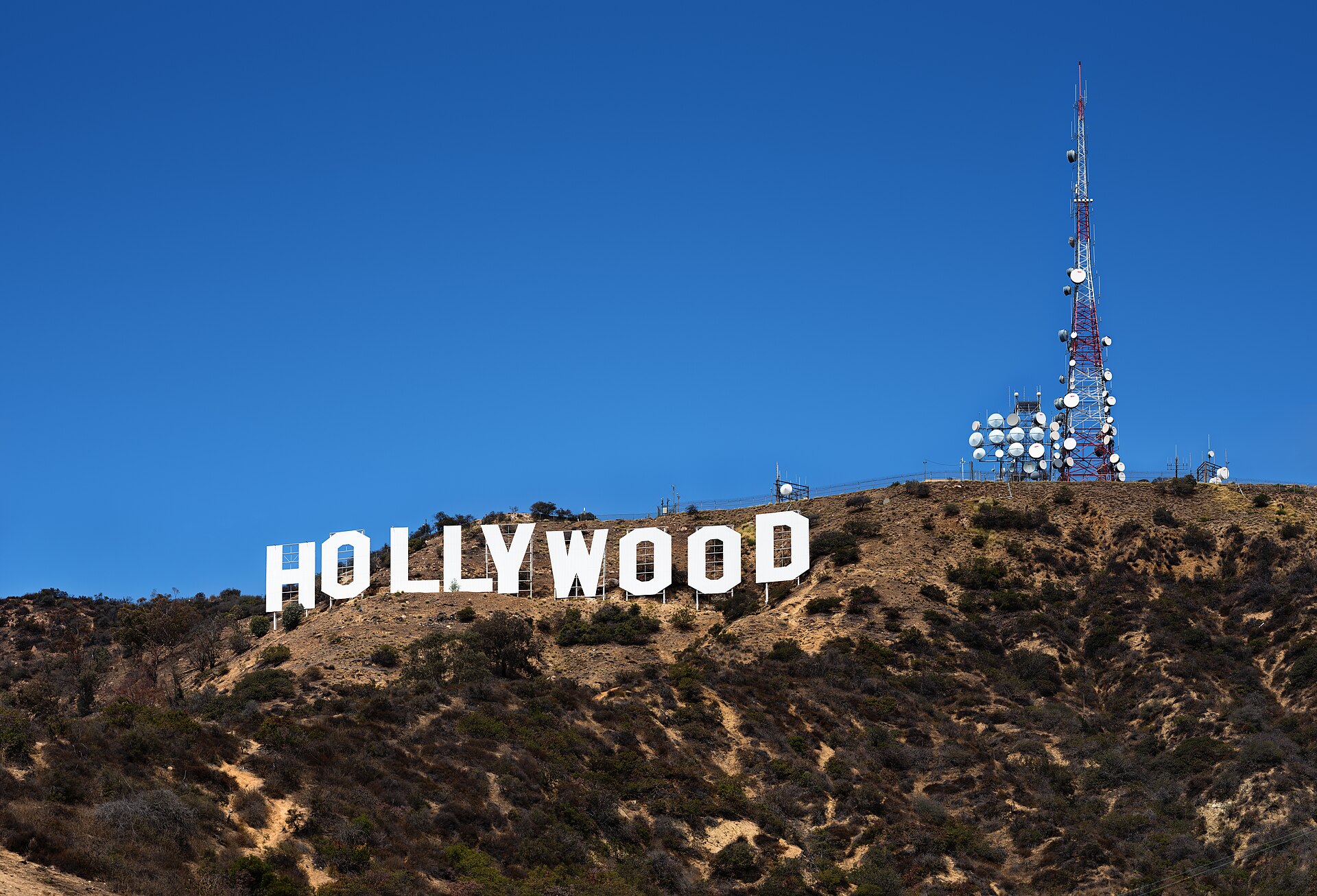
The star-covered pavement and the Chinese Theatre on Hollywood Boulevard are an hour’s visit — do not raise your expectations too high. The Griffith observatory, on the other hand, is the best place in the city: entry is free, and from there you see both the Hollywood sign and the whole city. Plan it for sunset and arrive early by car, as the parking fills quickly.
Downtown, the Walt Disney Concert Hall is a Frank Gehry design and stands out for its metal facade. The Grand Central Market has been working for a hundred years and is the best place to eat. The studio tours need a day of their own.
The coast: Santa Monica, Venice and Malibu
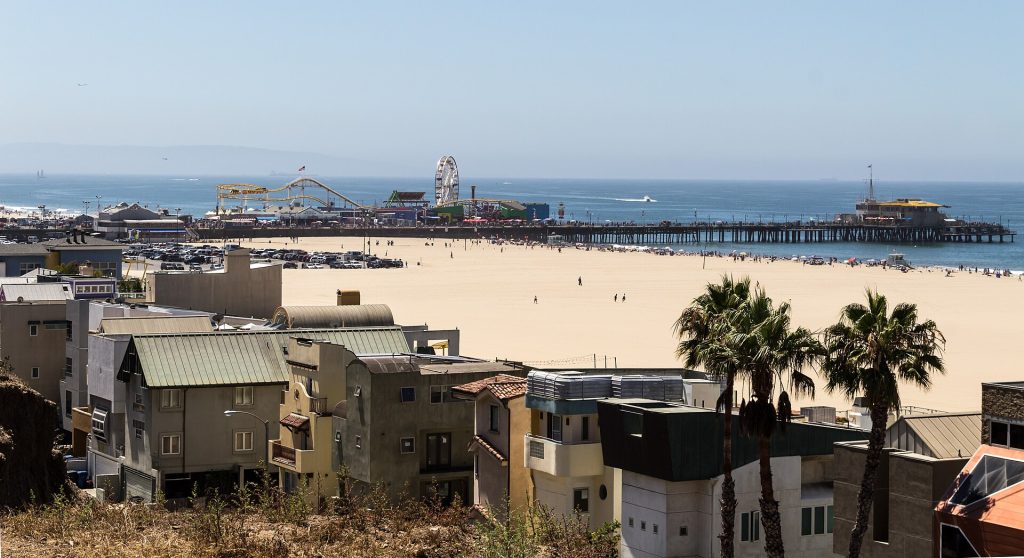
Santa Monica pier is the end of Route 66 and has an old amusement park on it. Venice beach is next to it, and the boardwalk there is known for its street performers and murals. A cycle path runs between the two beaches and hire is cheap.
Malibu is to the north, half an hour along the coast highway, and the road itself is scenic. The Palos Verdes peninsula is quieter and rockier. The ocean water in California stays cool even in summer — bear that in mind.
The car and the distances in Los Angeles
There is public transport, but it is weak and takes a great deal of time. Car hire is 40–70 dollars a day and petrol is relatively cheap. At peak hours, from seven to nine in the morning and four to seven in the evening, the freeways stop, so build the route around that.
The parking rules are written on the street signs and the fines are expensive, so read the sign every time. From the airport and for long distances, a transfer booked in advance works out well for a group. For the city tours and the theme parks, take the tickets in advance.
Read more: A United States travel guide: which city to start from, transport, budget and the unwritten rules
Theme parks and day trips
Universal Studios is inside the city and takes a full day. Disneyland is in Anaheim, forty minutes away, and is again a full day. Putting the two on consecutive days is exhausting — choose one.
The Sequoia and Yosemite national parks are far, needing four to six hours of driving. Joshua Tree park is two hours away and gives you a desert landscape. San Diego is two hours to the south and Las Vegas four hours to the east.
Season and prices in Los Angeles
The weather is good all year, moving between 18 and 28 degrees. April–June and September–November are the most comfortable months. July and August are hot and full of tourists. Winter is mild, and rain only comes in the January–March months.
A three-star hotel is 120–200 dollars, and 180–300 in the coastal districts. Choosing your hotel by the district you will be visiting is the most important decision here, because the wrong choice means two hours on the road every day. Lunch in a restaurant is 15–30 dollars. Official information is on the Discover Los Angeles site.
In short
Los Angeles has to be planned not as one city but as a collection of several. Hire a car, choose the hotel by your route, and go up to the Griffith observatory at sunset. For a visa and a route, fill in the application form.
Note: the prices in this article are those at the time of publication and may change with the season.
