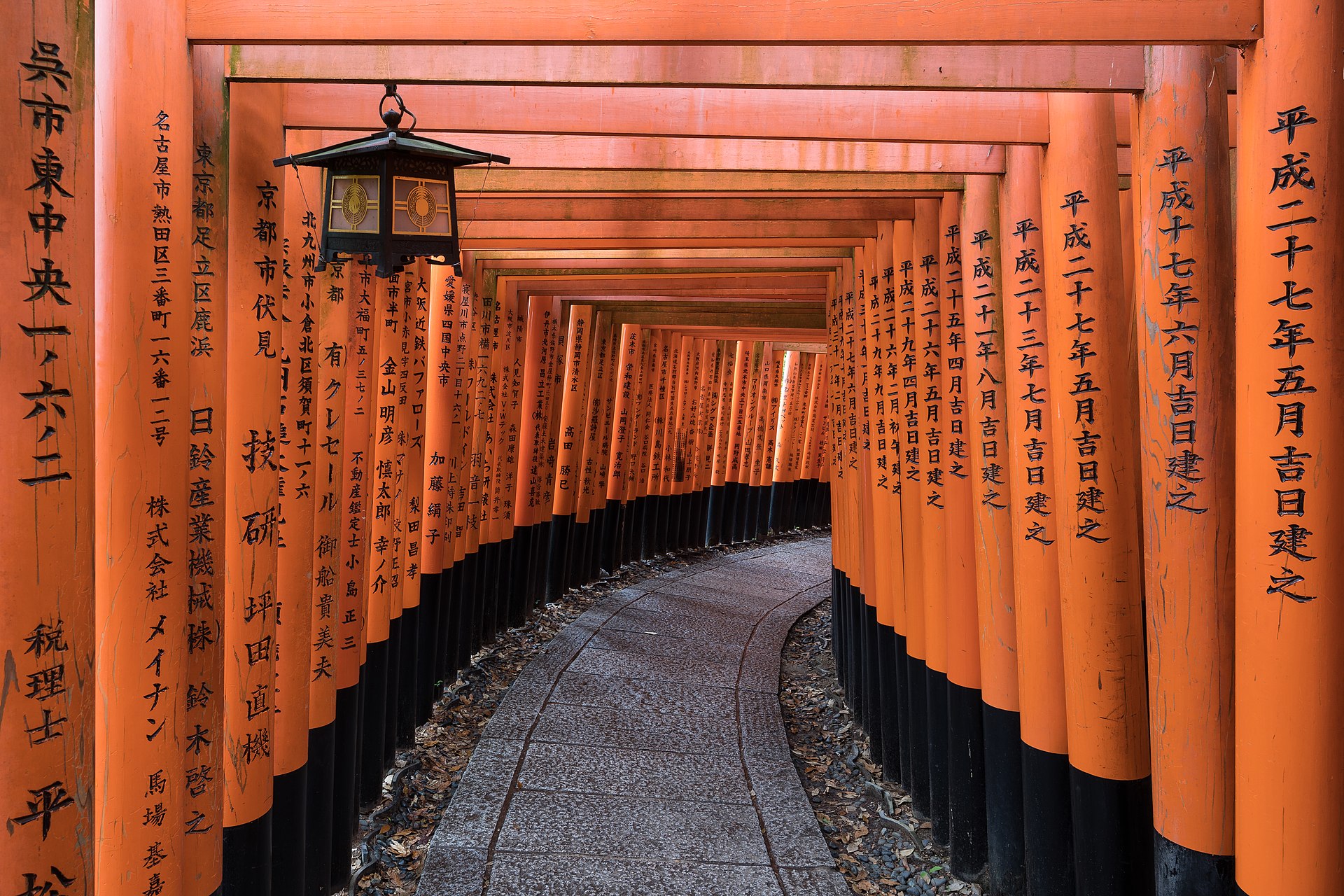
Kyoto was the capital of Japan for more than a thousand years and was not bombed in the Second World War. The result is that more than sixteen hundred temples and shrines have survived here. There is one problem: anyone who tries to see them all gets tired at the fifth and remembers nothing. So you have to choose. Below I have written which ones to choose and how to escape the crowds.
The temples that matter most
Fushimi Inari is known for its thousands of orange gates, and the path up the mountain takes two hours. Go before seven in the morning — after that taking a photograph there is not possible. Kinkakuji is a pavilion covered in gold and is reflected in the pond.
Kiyomizu-dera stands on the hill with its wooden terrace, and the city is visible from it. Ginkakuji is known for its simplicity and its sand garden, and the Philosopher’s Path that leads to it is the loveliest walk in cherry blossom season. The stone garden of Ryoanji temple is made of fifteen stones, and from whatever angle you look, one of them always stays hidden.
Gion, Arashiyama and the bamboo grove
Gion is the geisha district and its wooden houses have survived. In the evening it is possible to see a maiko, an apprentice geisha, but following them and photographing them is forbidden, and on some streets a fine is enforced. Keep that in mind.
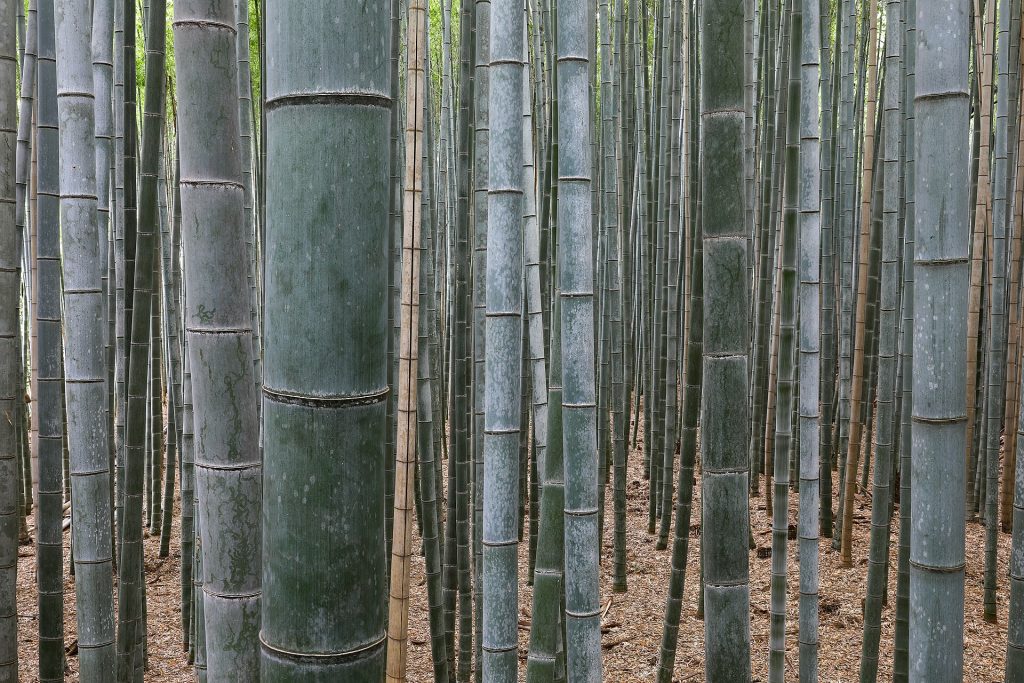
Arashiyama is to the west, twenty minutes by train. The path through the bamboo grove is short, only five minutes, so set your expectations accordingly — though early in the morning it really is striking. The monkey park nearby involves a climb up the hill and has a fine view.
Transport and staying in Kyoto
The metro is only two lines; the main transport is the buses, and they get stuck in traffic. Renting a bicycle makes a lot of sense here — the city is flat and the distances short. The Suica card works in Kyoto too.
A night in a traditional ryokan inn is worth it as an experience of its own: tatami floors, a futon bed and often an onsen pool. It costs between 150 and 300 euros. An ordinary hotel is 70–130 euros, and the options around Kyoto station are the most convenient for day trips.
Read more: A Japan travel guide: Tokyo, Kyoto, Osaka, cherry blossom season, the Shinkansen and onsen etiquette
Nara and Osaka from Kyoto
Nara is forty-five minutes by train and is known for the herd of deer in its park; Todaiji temple holds an enormous statue of the Buddha. Osaka is fifteen minutes away and is a centre of street food. Himeji castle is an hour off and is considered the finest castle in Japan.
Guided tours explain what the temples mean, and in Kyoto that makes the difference, because without the explanation they all look the same. Taking the tours in advance matters in cherry blossom season.
The season in Kyoto
The cherry blossom opens at the end of March and lasts a week and a half, and the city fills completely in that period. In November the maple leaves turn red, which to some people is finer than the blossom. Summer is hot and humid. Winter is quiet, and a snow-covered temple is a rare sight but an unforgettable one. Official information is on the Kyoto Travel site.
A last word
The secret to Kyoto is not in the number but in the choice and the hour. Pick four or five temples, set out at seven in the morning, and spend one night in a ryokan. For a visa and a route, fill in the application form.
Note: the prices in this article are those at the time of publication and may change with the exchange rate.
