Berlin is not the most beautiful capital in Europe and does not claim to be. The architecture here is a jumble, because the city was destroyed twice and once cut in two by a wall. That jumble is exactly what makes it interesting: on one street a Soviet-era prefab block stands next to a boiler house turned into a gallery. On top of that Berlin is the cheapest of the big Western capitals. Below I have written how to divide the city into three days.
Why is Berlin a different city?
Germany’s other cities are tidy and wealthy, while Berlin stayed poor for a long time. After the wall came down, empty buildings in the eastern part were let cheaply and drew in artists and musicians. Today those neighbourhoods are the heart of the city. That is why in Berlin the street is more interesting than the museum.
The wall and the history route
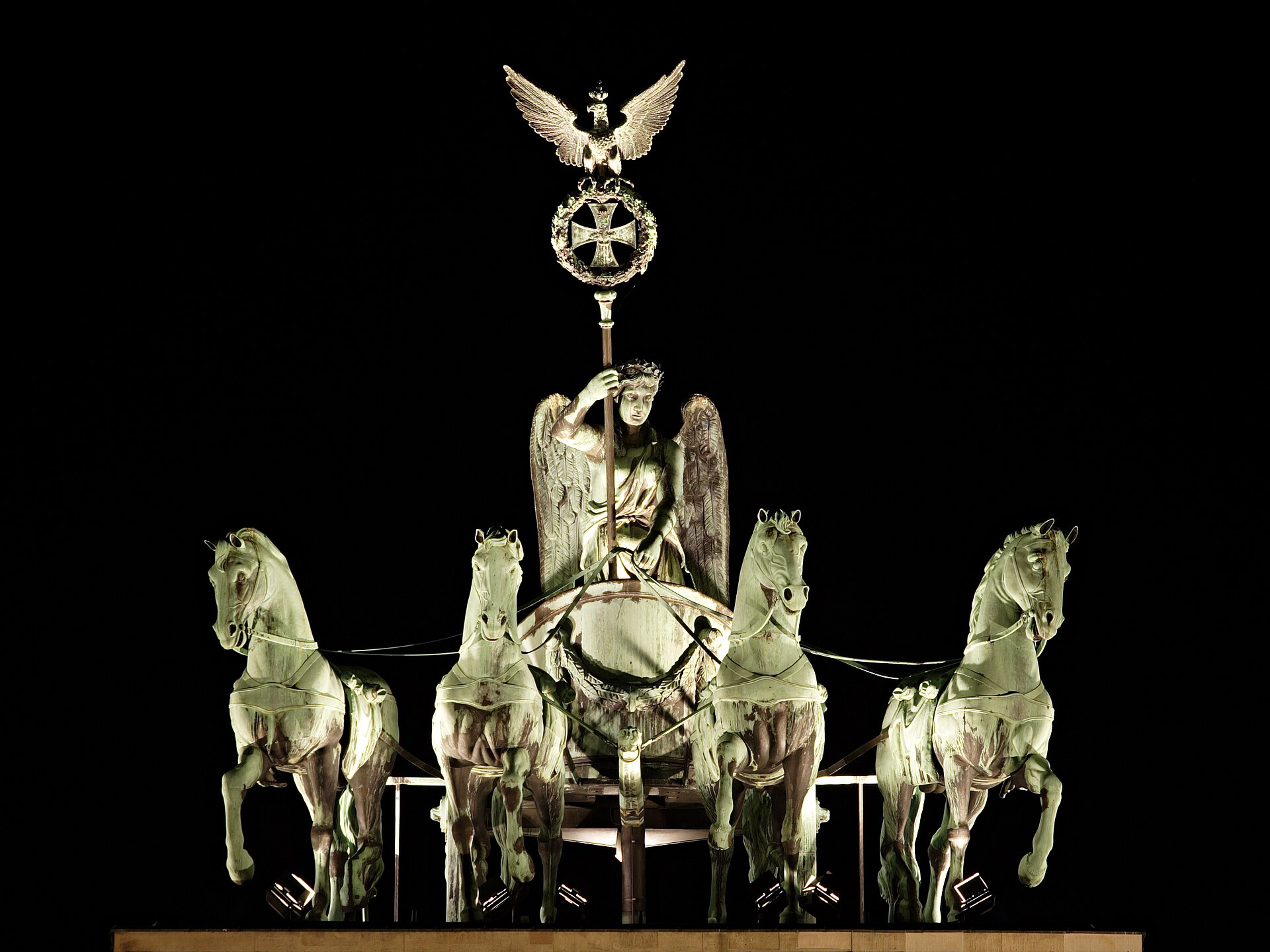
Start at the Brandenburg Gate; from there it is five minutes to the Reichstag. Entry to the Reichstag’s glass dome is free, but registration is done online and in advance, and places go a week ahead. The Holocaust memorial is nearby, and walking among its two thousand eight hundred concrete blocks silences you.
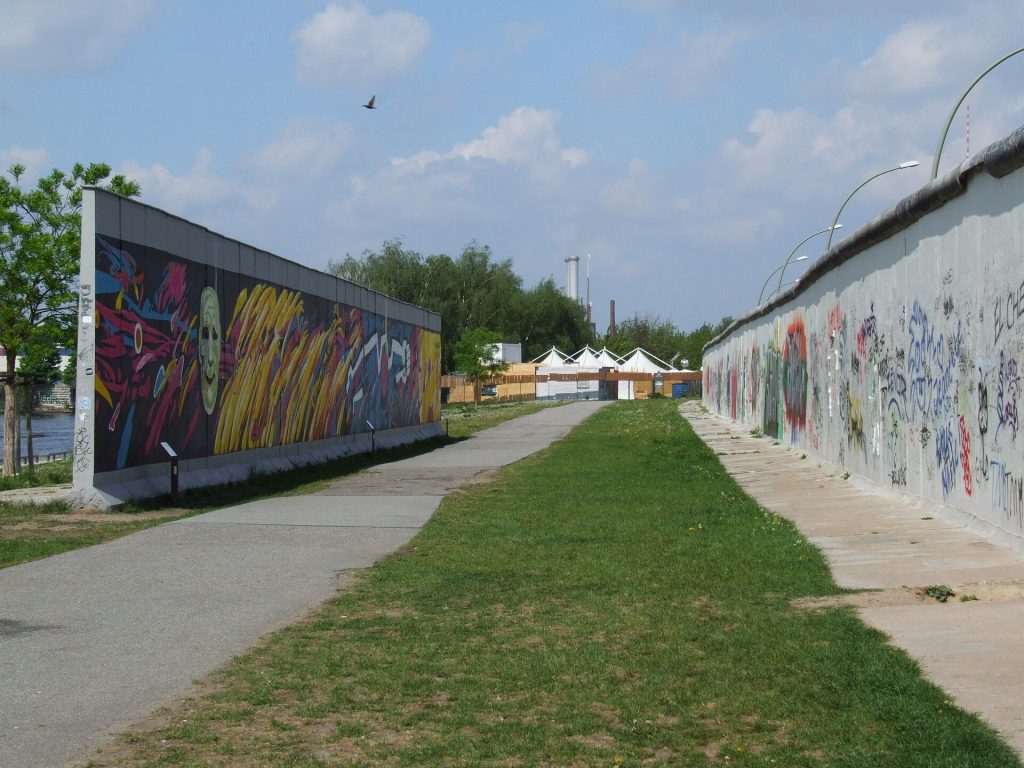
The East Side Gallery is the longest remaining stretch of the wall and is covered in paintings. Checkpoint Charlie is now purely a tourist spot — take a quick look and move on. If you want to see the real trace of the wall, the Memorial on Bernauer Strasse is more honest; the former death strip is kept there as it was.
Museum Island and the galleries
There are five museums on Museum Island and they do not fit into one day. The Pergamon Museum is under long-term renovation, so check which part is open before you go. The Neues Museum holds the bust of Nefertiti, the city’s most famous exhibit. Do not plan more than two museums in one day.
If you like contemporary art, the Hamburger Bahnhof is a gallery housed in an old railway station. Taking the city tours and museum tickets in advance removes both the queue and the renovation surprise.
Transport and zones in Berlin
The city is divided into three zones, and the AB zone covers virtually all the tourist sites. A day AB ticket is around 10 euros and is valid on the metro, the city rail, the trams and the buses. There are no barriers, but inspectors check often and the fine is 60 euros. Do not forget to validate your ticket in the machine.
Brandenburg airport is in the ABC zone, so buy the more expensive ticket when you arrive from there. The city rail takes forty-five minutes to the centre. Compare train tickets to Germany’s other cities on one screen — a ticket bought early comes out three times cheaper. There are direct and transit options from Baku, and the difference between flights from Baku to Berlin sometimes reaches twofold.
The neighbourhoods and the food
Kreuzberg is the centre of the Turkish and Arab community, and halal food is no problem there. The European history of the döner kebab began in this very city. Neukölln is a younger and cheaper neighbourhood, while Prenzlauer Berg is family-oriented and quiet. Mitte is the centre, and hotels there are expensive.
As street food, currywurst and döner are everywhere and both come to under five euros. Vietnamese and Turkish restaurants are the city’s best cheap options. Breakfast is a long tradition in Berlin, and cafés serve the breakfast menu until midday.
Read more: A Germany travel guide: the cities, the trains, the food and the season
Season and budget in Berlin
May to September is the best time, with 20–26 degrees, and the city lives in its parks. In December the Christmas markets are set up; the weather is cold but the atmosphere is lovely. January and February are grey and damp, but in return hotels drop to half price. Rain is to be expected all year round.
A three-star hotel in the centre is 80–130 euros, and 60–100 in Kreuzberg and Neukölln. A hostel bed starts at 20–35 euros, and the hostel culture in Berlin is strong. A day ticket for Museum Island is 20 euros and a day of transport 10. Official city information is on the berlin.de site.
Short questions about Berlin
How many days are enough?
Three days. One for history, one for museums, one for walking the neighbourhoods. If you have four, go to the palace at Potsdam.
Is English enough?
Yes. Berlin is the most international city in Germany, and in cafés you are often served in English.
Conclusion
Berlin is not a city you walk with a list; here you have to leave half a day unplanned. Register for the Reichstag in advance, buy an AB zone ticket, and look at Kreuzberg for a hotel. To see several German cities together, you can look at group tours of Germany. For a visa and a route, fill in the application form.
Note: the prices in this article are those at the time of publication and may change with the season.
