Kathmandu is the capital of Nepal and all the Himalayan routes begin here. The city is dusty, noisy and dense, but one street back a five-hundred-year-old temple suddenly appears. Most people going trekking give it two days, whereas the valley itself deserves three. Below I have written about the city and the temple towns around it.
Durbar square and Thamel in Kathmandu
Durbar square is in front of the old royal palace and is surrounded by dozens of carved wooden temples. After the 2015 earthquake the restoration is still going on and some buildings are held up by props. The child goddess living in the Kumari Ghar building appears at the window several times a day, and photography is forbidden.
Thamel is the tourist quarter, and the trekking equipment, the agencies and the cafés are right there. Prices come down with haggling, especially on equipment. At night the streets are noisy, so it is better to choose a hotel a little away from the main street.
The stupas and Pashupatinath
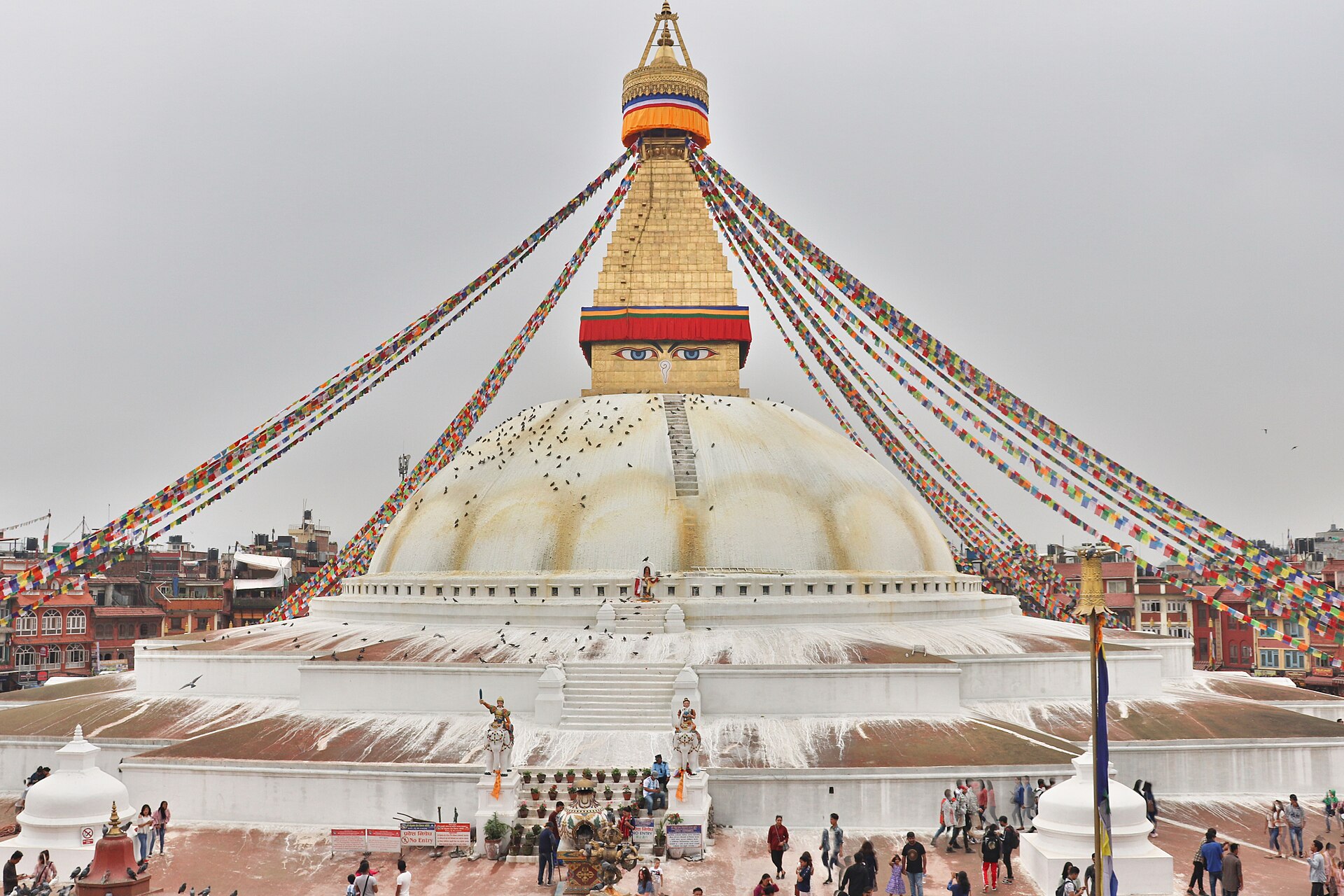
Swayambhunath is on top of a hill and is reached by more than three hundred steps. From above the whole valley is visible, while the monkeys take an interest in your bag. Boudhanath is one of the largest stupas in the world; the Tibetan community lives around it and at evening prayer time people circle the stupa.
Pashupatinath is a Hindu temple complex on the bank of the Bagmati river and is known for its open cremation ceremonies. Non-Hindus cannot enter the main temple, but everything is visible from the opposite bank. This is a heavy place, so be careful when taking photographs.
Bhaktapur, Patan and Nagarkot
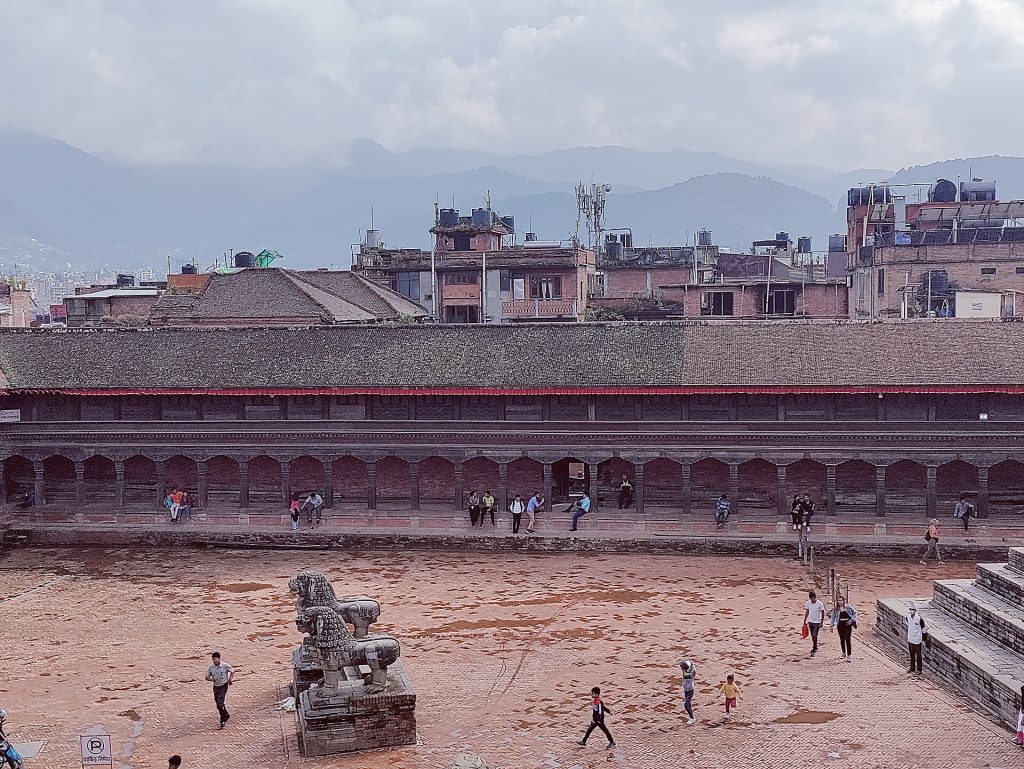
There are three old royal cities in the valley and all three are on the UNESCO list. Bhaktapur is the best preserved, cars are not let inside, so walking there is entirely different from the city. Patan is known for its metalwork and carving, and its museum is the best in the valley.
The hill of Nagarkot is an hour away and on a clear morning the Himalayan range, and sometimes Everest, is visible from there. You have to stay one night, because the view is only open at sunrise. Comparing valley and Nagarkot programmes in advance settles the transport question.
Budget and visa in Kathmandu
The visa is bought on the spot at the airport and paid in cash, so take dollars. There are three options according to the period, and if you are planning a trek it is easier to take the thirty-day one. Trekking permits are separate from the visa and are obtained from the tourism office in Kathmandu.
| Visa, 15 days | 30 dollars, in cash |
| Visa, 30 days | 50 dollars |
| A hotel in Thamel | 20–50 dollars a night |
| Hostel bed | 6–12 dollars |
Before and after a trek you have to stay a few nights in the city, and looking at hostel and guest house options in Thamel brings the budget down considerably. There is no direct flight; you go via Doha, Dubai and Delhi, so compare ticket prices in the Kathmandu direction with the transit options. Official information is on the Nepal Tourism Board site.
Season in Kathmandu
October–November is the best time, the monsoon has just ended, the air clears and the mountains are clearly visible. March–April is the second best period, when the rhododendrons flower. December–February is cool in the daytime and cold at night, and air pollution in the valley increases. June–September is the monsoon, the roads become difficult and the mountain view is closed off by cloud.
In short
Kathmandu is not only the starting point of a trek; in itself it is an open-air museum. Stay a little away from Thamel, give a full day to Bhaktapur, spend one night at Nagarkot, and come ready to pay the visa in cash dollars. If you want to plan Nepal together with a trek, you can look at the ready-made tour options. For a route, fill in the application form.
Note: the visa fee and trekking permits may change, so check from an official source before travelling.
