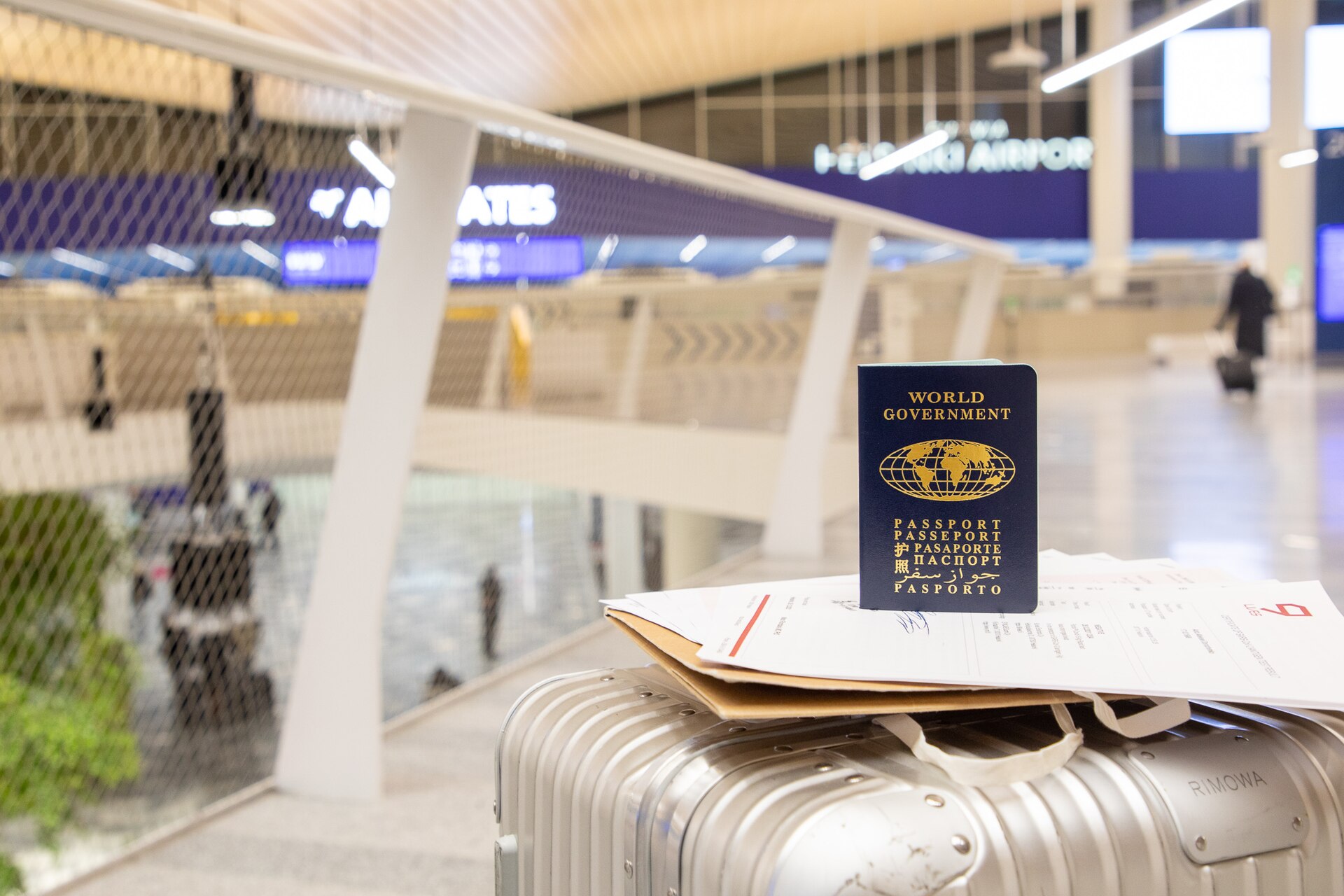
Every conversation about visas has one document as its starting point, and that is the passport. Most people leave it until last, and then it turns out that it has expired or that they do not have one at all. Yet getting a passport is now one of the simplest state procedures; you only have to know the order of things. Below I have written the steps and how to count the time.
Where to apply for getting a passport
The ordinary citizen’s passport is issued by the State Migration Service, and the application can be made through the service centres. There is an online appointment system, and that is the most comfortable route, because you choose the time of your visit yourself. If you go without an appointment, the wait can stretch out depending on the season.
The procedure itself is short: the documents are checked, the photograph is taken on the spot, the fingerprints are collected. There is no need to bring a photograph from home, and that is a question asked very often. The whole operation usually takes less than half an hour.

What is needed for getting a passport
| Identity card | The main document, and it must not have expired |
| The application | Filled in on the spot or online |
| The state fee | The payment receipt, varying with the degree of urgency |
| For a child | The birth certificate and the presence of a parent |
The fee and the production time come in several tiers: the ordinary route is cheaper, while the urgent one is expensive and is produced within days. Check the exact tariffs and the days on the official site, because these figures are periodically updated. Official information about migration services is set out on the site of the State Migration Service.
Read more: Passport validity, blank pages and an old visa in a new passport
Counting the time correctly
Count backwards from the date of the trip. The passport has to be in your hands for the visa application, and the consular appointment takes time in its turn, so having the passport made at least three months in advance is the logical approach. In the summer months let that gap be wider.
If less than a year is left on your current passport, renew it now. Many countries require at least six months of validity for entry, that is, a passport that is in force on paper may be no use in practice. When you renew, keep the old passport, because in some cases the visas inside it can still be used.
The questions asked most often
When a surname changes the passport has to change too, because all the documents must carry the same name. That matters particularly after a marriage and should be settled before the ticket is bought. If the passport is damaged, that is, if its pages have got wet or torn, it has to be replaced, because it may be considered invalid at the border.
Look at the number of blank pages too: at least two blank pages are required for a visa to be stuck in. If the pages are full, a new passport has to be obtained. To plan the visa process once the passport is ready, getting visa and travel advice saves time.
In brief
Book the online appointment, go with your identity card and the fee receipt, have the photograph taken on the spot. Start at least three months before the trip, check the six-month validity rule, count the blank pages. To plan the steps after the passport together, fill in the application form.
Note: the fee amount and the production time may change, so check the official tariff before applying.
