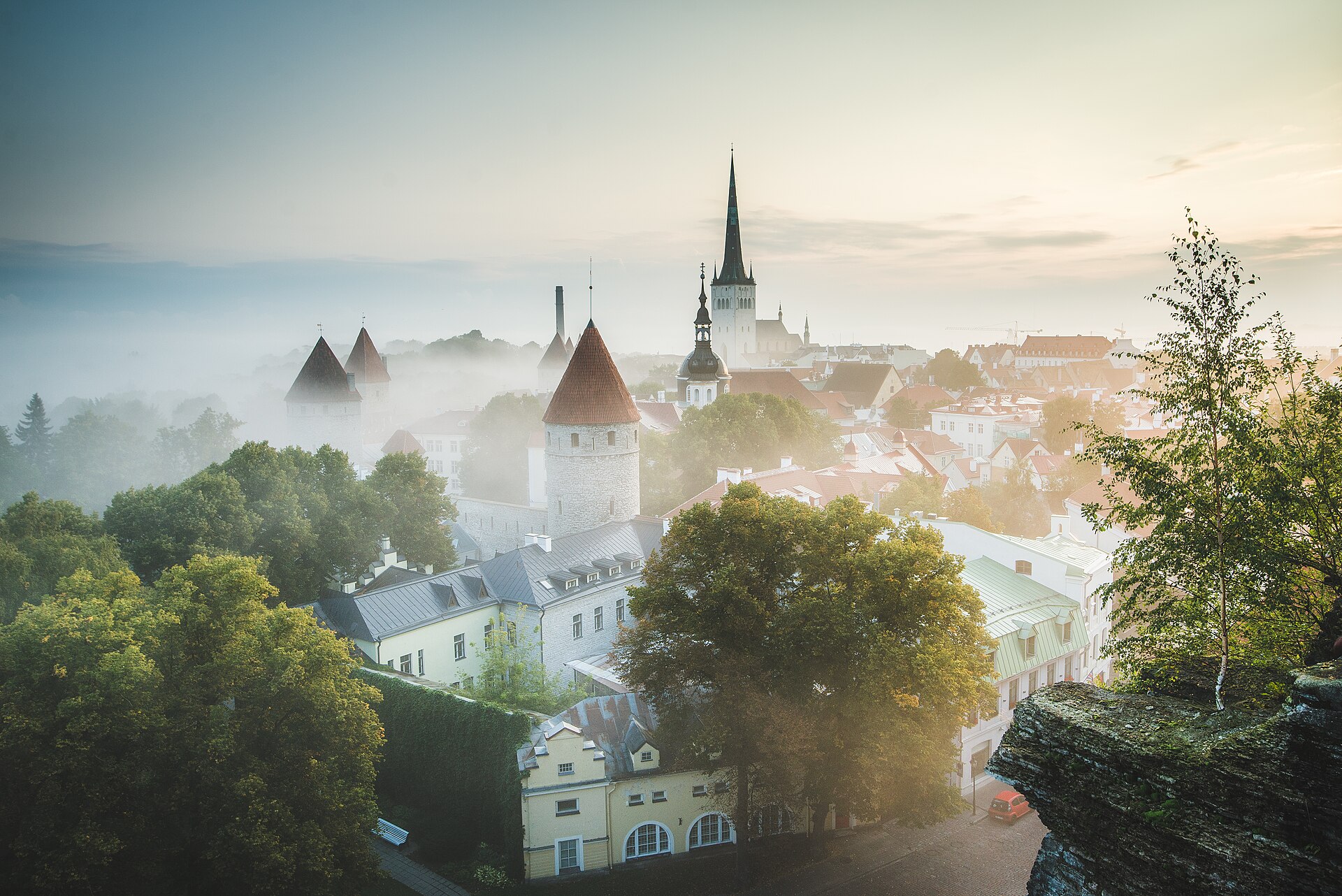
Estonia is the smallest and the most digital of the Baltic countries; Tallinn’s medieval walls and the offices where Skype was born are in the same city.
What makes it attractive for us is simple. One of the best preserved old towns in Europe is here, while the prices are twice as cheap as in Scandinavia. There is a two-hour ferry to Helsinki and a four-hour bus to Riga, which is to say you see three countries on one visa. Below I have gathered Tallinn, Tartu and Pärnu, the Saaremaa spas, and the transport, the food, the season and the budget.
Estonia in brief
| Capital | Tallinn |
| Language | Estonian; excellent English among the young, Russian in the older generation |
| Currency | Euro; cards everywhere, cash all but unnecessary |
| Visa | Schengen «C» visa, through the Latvian embassy in Baku |
| Best time | May–September; the Christmas market in December |
| Flights | 6–8 hours via Istanbul, Riga or Warsaw |
| Daily budget | 90–130 euros at a mid-range level |
Tallinn: the Middle Ages and Telliskivi
Tallinn’s old town is on the UNESCO list and has two levels. Up above are Toompea hill, the Alexander Nevsky cathedral and the viewing platforms, and down below is Town Hall Square. The Raeapteek pharmacy has been working for six hundred years, and the Viru gates and the longest preserved city wall in Europe are there too. Two days is enough, everything is walked, and the cobblestones put your shoes to the test.
Fifteen minutes from the old town, Telliskivi is a former factory site. Now there are cafés, design shops and the Fotografiska museum there, which is to say the city’s modern face is right there; spend your evening in it.
Kadriorg park is known for Peter the Great’s palace and the KUMU art museum, Pirita beach is for the summer, and the «Lennusadam» Maritime Museum in an old submarine hangar is the best choice for families with children. The Tallinn Card covers the museums and public transport together.
Tartu, Pärnu, Saaremaa: Estonia outside the capital
Tartu has been a university town since 1632, is two hours from Tallinn and takes a day with the Estonian National Museum and its student life.
Pärnu is the country’s summer capital. It has a long sandy beach and shallow, warm water, is known for its spa hotels and its July festivals, and the journey from Tallinn is two hours.
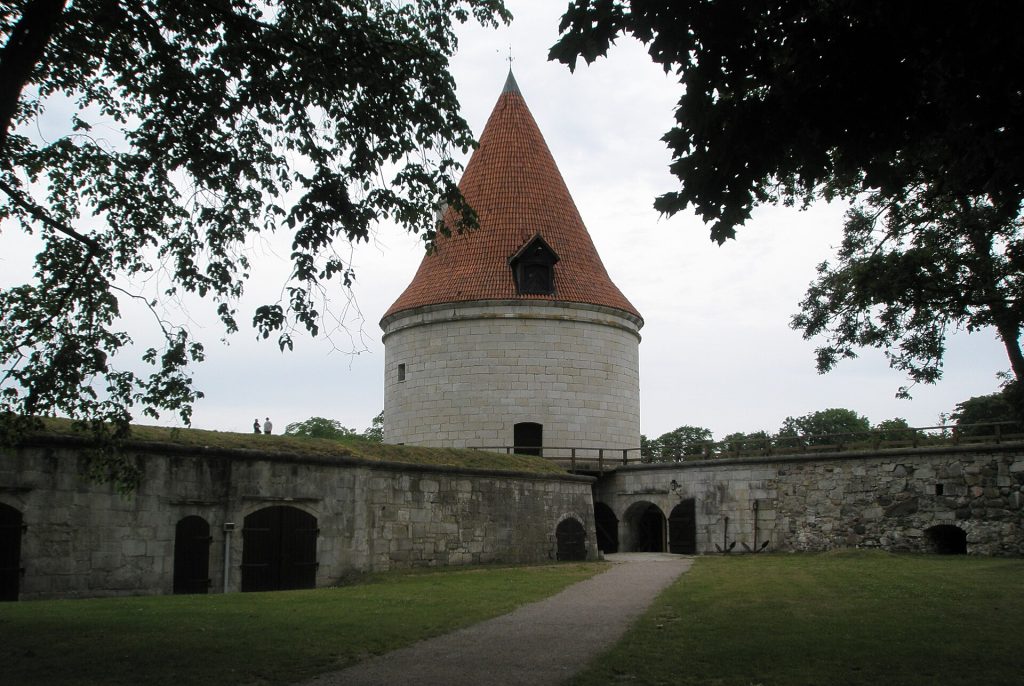
You cross to the island of Saaremaa by ferry. With the medieval Kuressaare castle, the windmills, the Kaali meteorite crater and the best spa hotels in the Baltics, it makes a two-day break. The Kuressaare spas are known for their mud treatment and mineral water, and our people mainly go there for exactly that.
Lahemaa national park is an hour from Tallinn, with boardwalks laid over the bogs, manor houses and fishing villages inside the park, and it is the best example of Estonian nature. Narva, meanwhile, is a city in the east on the Russian border where two fortresses stand facing each other on either side of the river.
Transport: Bolt, Lux Express and the ferries
Bolt is an Estonian company and is the main app in Tallinn for taxis, scooters and bicycles, with a ride across town costing 5–8 euros. The tram and bus are two euros and you buy the ticket in the app or with a card; from the airport to the centre the tram takes twenty minutes.
The intercity Lux Express buses are fitted with Wi-Fi and a screen. From Tallinn to Tartu it takes two and a half hours and costs 10–15 euros, and to Riga four and a half hours and 15–25. The Elron trains are comfortable and cheap too, so compare the two in one search.
To Helsinki the Tallink and Eckerö ferries run more than ten times a day, the journey takes two hours and costs 20–40 euros, while the night ferry to Stockholm is sixteen hours. A car pays off for Saaremaa and Lahemaa, daily hire is 30–45 euros, and the roads are empty and good.
Estonian food: black bread and kohuke
The dark rye bread «leib» is the basis of every table; Estonians are proud of it and take it with them when they go abroad. Fish, especially sprats and herring, is the daily food of the Baltic coast. The winter tradition is sausage with sauerkraut and the blood sausage called «verivorst».
Kohuke is a sweet curd bar in chocolate, sold in every shop and worth taking a bagful of back to Baku. Kama is a roasted grain flour and is eaten with kefir.
The medieval-themed restaurants in the old town are for tourists; the locals eat in the Telliskivi and Rotermann quarters. Lunch is 10–15 euros and dinner 25–40, which is to say twice as cheap as Scandinavia. Halal food is available in Tallinn’s Turkish and Middle Eastern restaurants. The tap water is clean.
Read next: An Estonia visa is obtained through Latvia: the representation and the Baltic route
Season and weather in Estonia
The summer is short and beautiful. From June to August the weather is 18–24 degrees, in June the day lasts nineteen hours, and Pärnu and Saaremaa live their season. The twenty-third of June is Jaanipäev, the bonfire night, the country’s main holiday, and nobody sleeps that night. May and September pass quietly and cheaply too.
The winter is dark and cold, and from December to February the temperature is minus 5–15 degrees. Even so, Tallinn’s Christmas market counts among the most beautiful in Europe, and the old town under snow looks like a fairytale. Autumn is the time for walking the bog boardwalks among the red colours. The Tallinn Card, the ferry timetable and the events calendar are on the Visit Estonia portal.
Budget and tickets
In the old town a three-star hotel is 70–110 euros and outside the centre 50–80. A Pärnu or Saaremaa spa hotel with the spa included comes to 90–150 euros, and when you compare the packages the difference can reach thirty euros a night.
The museums take 8–15 euros, and the twenty-four-hour version of the Tallinn Card is 39. Excluding the flight, a week-long trip fits into 700–1,000 euros per person.
Turkish Airlines flies to Tallinn via Istanbul and airBaltic via Riga. When looking for an air ticket to Tallinn, look at the option of flying to Riga and coming on by bus too, as it sometimes works out a hundred euros cheaper. For those touring Tallinn, Riga and Vilnius on one route, Baltic countries tour packages settle the intercity legs and the Helsinki ferry together.
Frequently asked questions about Estonia
How many days does Estonia need?
Tallinn two or three days, with Lahemaa or Tartu four, and with Saaremaa and Pärnu seven. For three Baltic countries, ten days.
Can you go to Helsinki for the day?
Yes, going on the morning ferry and coming back in the evening is a popular plan. A Schengen visa covers both countries, but Finland is considerably more expensive than Estonia, so do not eat there, come back and eat here.
Can you get by in Russian?
In Tallinn and Narva the older generation knows it, while the young prefer English. In the service sector English works everywhere.
In closing
Estonia is a country that gives you a medieval city, spa islands and digital convenience at half of Scandinavian prices, and combined with Helsinki and Riga it becomes the best start to a Baltic route. The visa process is explained on the Estonia page, and to build the Baltic route together, fill in the application form.
Note: the prices here are as of the publication date and can change with the season.
