Denmark is the permanent leader of the world’s happiest country rankings, and Copenhagen shows you why in a single day: everyone is on a bicycle, they swim in the canals, and in the cafés they light candles and do «hygge». At the same time it is one of the most expensive capitals in Europe, so for us planning here means money directly. Families with children go for Legoland, those building a Scandinavian route for the bridge to Sweden, and design lovers for the museums. In this article I have gathered Copenhagen and the rest of the country. The transport, the food, the weather and the ways of protecting your budget are in it too.
Denmark in brief
| Capital | Copenhagen |
| Language | Danish; everybody’s English is excellent |
| Currency | Danish krone (DKK), 1 euro ≈ 7.5 kroner; cash is all but unnecessary |
| Visa | Schengen «C» visa, through Norway’s VFS centre in Baku |
| Best time | May–September; the Tivoli Christmas market in December |
| Flights | 7–8 hours via Istanbul, Frankfurt or Vienna |
| Daily budget | 150–200 euros at a mid-range level |
Copenhagen: the centre of a Danish trip
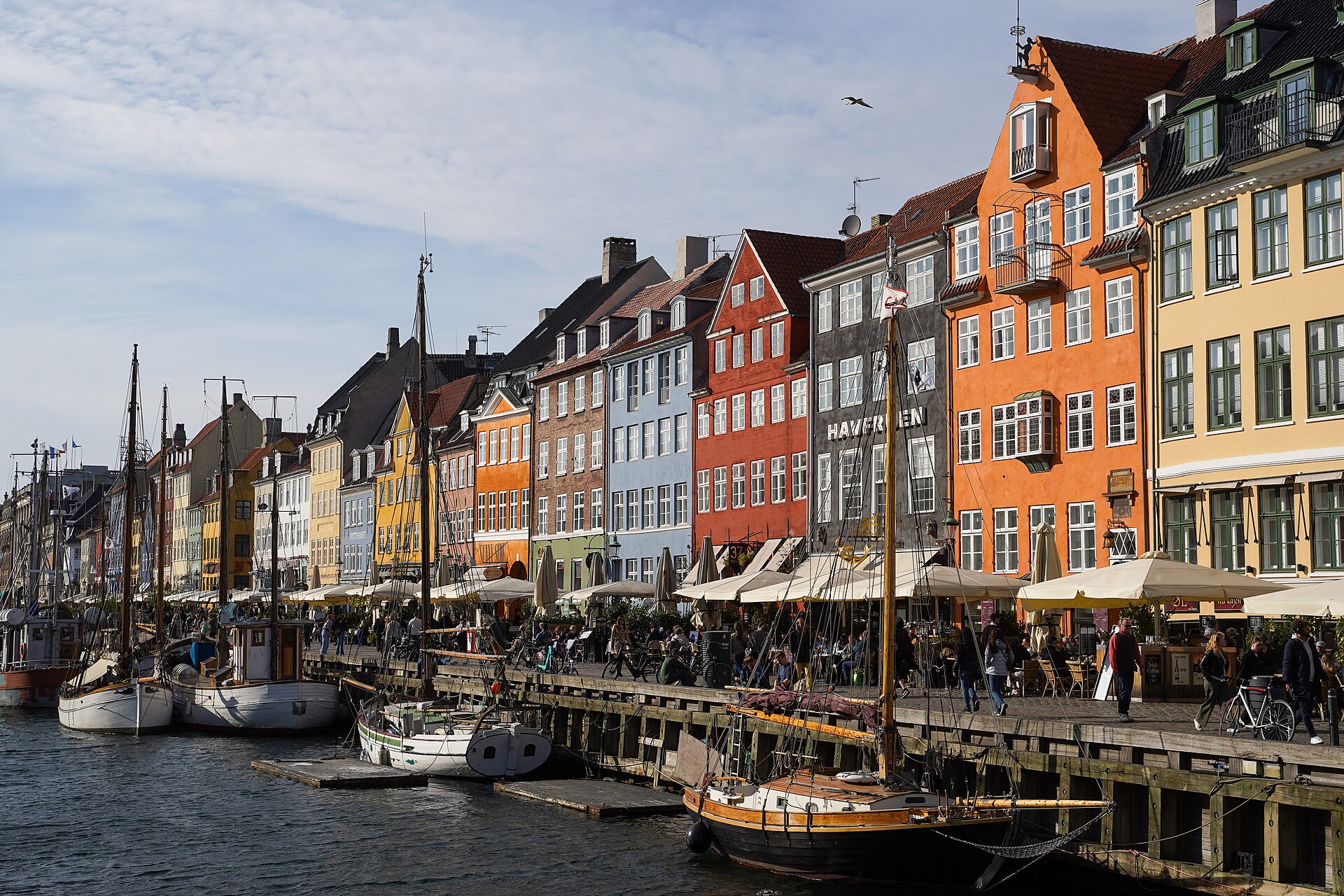
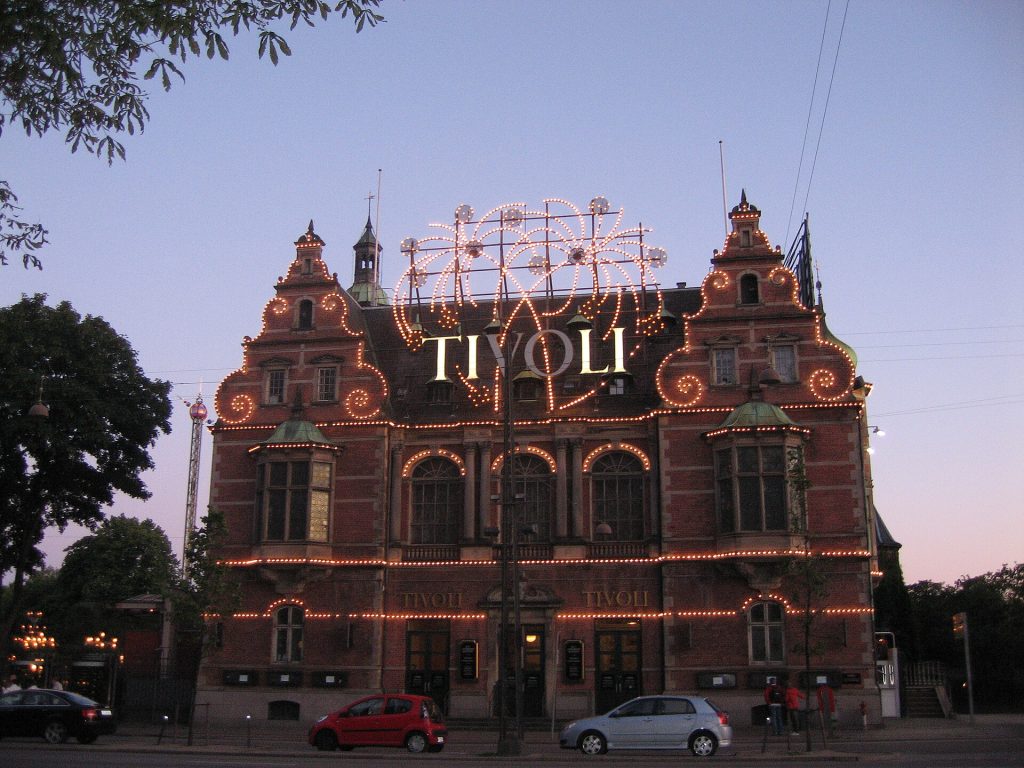
Copenhagen is seen in three days, on foot and by bicycle. The coloured houses of Nyhavn harbour are on every postcard and are more beautiful in person. Tivoli Gardens is the second oldest amusement park in the world, and in the evening lights adults go there like children too. The Little Mermaid statue is smaller than you expect, everyone says so, and everyone still goes. Christiansborg palace is the building that houses parliament. Rosenborg castle holds the crown jewels. Strøget is the pedestrian street and Christiania is known as the free quarter. The canal tour lasts an hour and shows you the city from the water, so take it towards sunset.
Forty-five minutes from the city, Helsingør has Hamlet’s Kronborg castle, and thirty minutes away Roskilde has the Viking ship museum; the two make a day trip. The Louisiana museum of modern art is on the seashore and is one of the best museums in Scandinavia — even if art is not your thing, go for the garden and the view.
Denmark outside Copenhagen: Legoland, Odense, Aarhus
Legoland is in the town of Billund, three hours from Copenhagen by train and forty-five minutes by plane. For families with children it is the main reason for coming to this country. It is open from April to October and entry is 50–60 euros.
Odense is Andersen’s town and, with its new fairytale museum, takes a day. Aarhus is the second largest city and is known for the coloured glass circle on the roof of the ARoS museum and for the Old Town open-air museum.
The nature route is separate. Møns Klint stands out for its white chalk cliffs and Skagen for the place at the country’s northern tip where two seas meet. The Øresund bridge takes thirty-five minutes to the Swedish city of Malmö, and within Schengen there is no border check.
Transport: bicycles, the metro and the Copenhagen Card
In Copenhagen bicycles make up half of all transport. They have their own lanes and their own traffic lights, and hire is 15–20 euros a day.
Remember three rules. Keep to the right, signal with your hand when turning, and do not stand in the bicycle lane as a pedestrian, or your ears will ring with bells.
The metro is driverless and runs twenty-four hours; from the airport to the centre it takes fifteen minutes, a ticket is 3–5 euros by zone and is bought in the app. The Copenhagen Card covers public transport and entry to more than eighty museums for twenty-four to a hundred and twenty hours, and pays off for those staying more than two days.
The intercity DSB trains are punctual but expensive. «Orange» tickets bought early are half price, and when you compare the dates the difference shows up at once. A car is not needed in Denmark and is only taken for a Jutland route.
Danish food: smørrebrød and new Scandinavian
Smørrebrød is an open sandwich made on rye bread. It is served with herring, fried fish or meat, is the lunchtime classic and costs 8–12 euros. Frikadeller are meat patties, and wienerbrød is the sweet pastry known around the world as a «danish».
Copenhagen is the centre of «new Scandinavian cooking» and several of the world’s best restaurants are here. But dinner there starts from 300 euros and the table is booked months ahead.
There is a cheap option too. The Reffen and Torvehallerne markets give you varied and good-value food for 12–18 euros. Halal food is widespread in the Nørrebro quarter’s Turkish and Arab restaurants. The tap water is the cleanest in Europe and is served free in restaurants. The tip is included in the bill.
Read next: A Denmark visa is obtained at the Norwegian centre: the representation, the documents and the timing
Weather and season
Denmark’s weather is a maritime climate. The summer is 18–23 degrees, the nights are long and light, and in June the day lasts 18 hours. The winter is 0–3 degrees and turns windy, dark and rainy. May–August is the best time, July is the local holiday month and Copenhagen fills with tourists. In December the Tivoli Christmas market and the hygge season light the city up, and although it is dark, it is beautiful. There is wind in every season, so do not go out without a jacket. The Copenhagen Card and the events calendar are on the VisitDenmark portal.
Budget: how to save in an expensive country?
In Copenhagen a three-star hotel is 130–180 euros and a rented flat 100–140. A hostel bed is 50–70 euros, and the choice is wide in the Nørrebro and Vesterbro districts.
The museums are 12–20 euros and entry to Tivoli 20, with the rides paid for separately. Excluding the flight, a week-long trip fits into 1,300–1,700 euros per person.
The ways to save are well known. Buy the Copenhagen Card, get your lunch from the supermarket, use the free parks and the harbour baths, and see the city by bicycle.
Turkish Airlines and Lufthansa fly to Copenhagen. Along with an air ticket to Copenhagen, check the Malmö and Hamburg options too, as from both there is a train journey of between an hour and a half and four hours. For those going to Copenhagen, Stockholm and Oslo on one route, Scandinavia tour packages settle the intercity legs together.
Frequently asked questions about Denmark
How many days does Denmark need?
Copenhagen three days, and with Legoland or Odense five. With a Sweden and Norway route, ten days.
Do you need kroner, or do euros work?
Euros work only in some tourist places at a bad rate. Cards work everywhere and you all but do not need cash kroner.
Can you cross into Sweden on a Danish visa?
Yes, Malmö and Stockholm are in Schengen. The visa is obtained for the main country of travel, and the application for Denmark goes through Norway’s VFS centre.
In closing
Denmark is expensive, but with a bicycle, the Copenhagen Card and the right choice of season the budget can be managed. For families with children there is Legoland. Everyone else goes for the hygge. The visa process is explained on the Denmark page, and to build the Scandinavian route together, fill in the application form.
Note: the prices here are as of the publication date and can change with the season.
