Bucharest was once called the Paris of the East, and the old photographs show why. Then an earthquake, a war and Ceaușescu’s redevelopment plan took away much of the city. Today it has boulevards, one enormous parliament building and an unexpectedly lively old centre. It is cheap, part of the Schengen area and easy to reach from Baku.
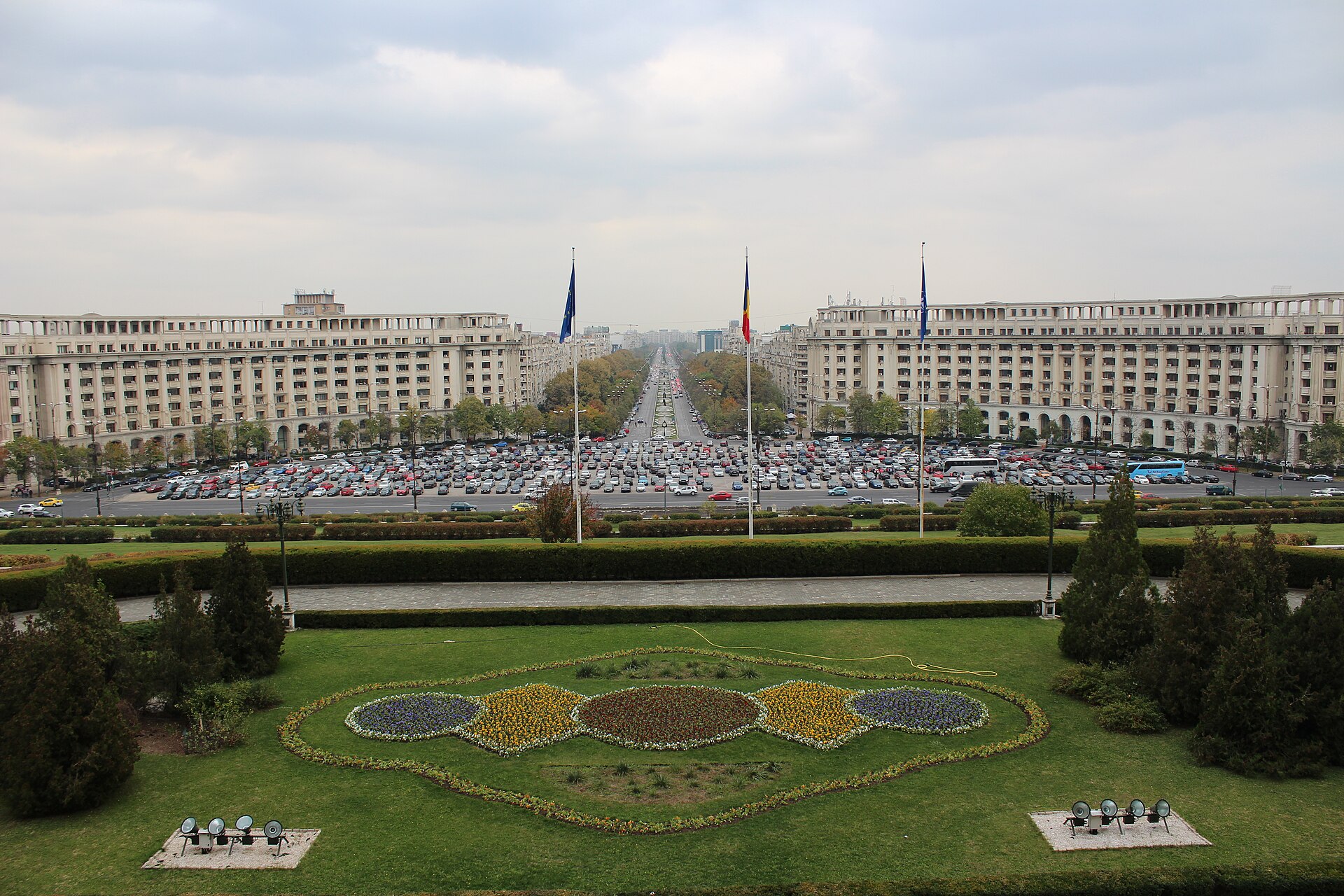
The Palace of Parliament
This building is considered the heaviest structure in the world and is the largest administrative building after the Pentagon. A whole section of the old city was demolished to build it and thousands of families were moved out. You can only go in on a guided tour, a passport is required and registration is done in advance. The part you see on the tour is only a small share of the building.
The boulevard in front of the building was deliberately built a few metres longer than the Champs-Élysées in Paris. That detail explains the country’s logic in that period rather well.
The old town and the Arch of Triumph
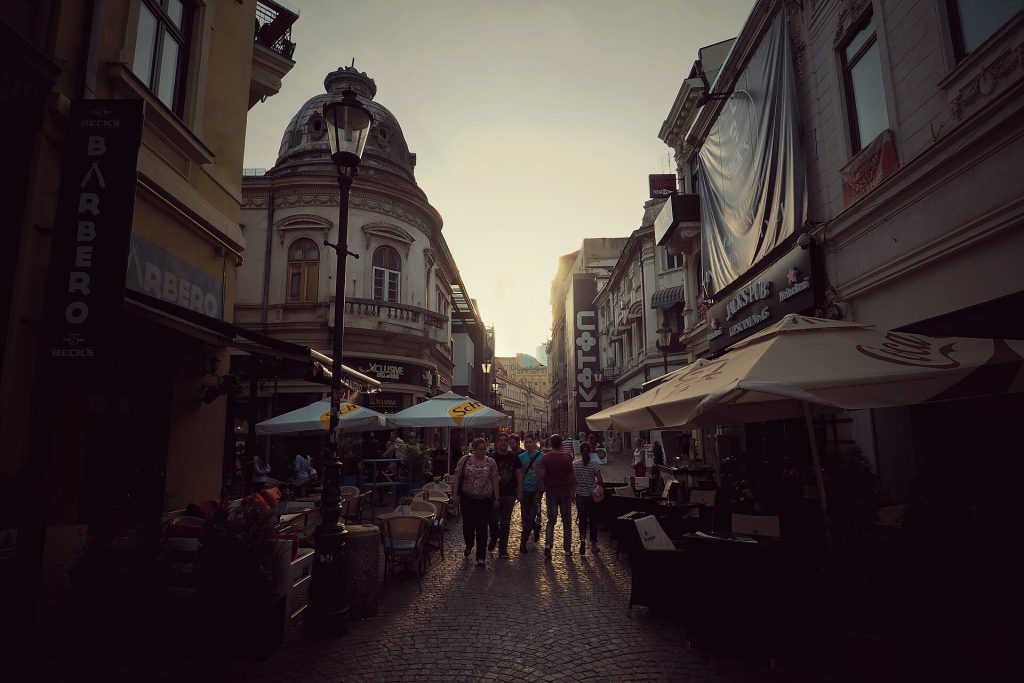
The old centre, called Lipscani, is made up of narrow streets and fills with cafés in the evenings. The Stavropoleos monastery is hidden among those streets; it is small but stands out for its stone carving. The Cărturești bookshop nearby is in an old mansion and is known for its interior.
The Arch of Triumph is on the north side and resembles the one in Paris. Herăstrău park is beside it, with a walk around the lake. The Village Museum inside that park is open-air, and real village houses brought from all over the country have been rebuilt there. Taking the city tours and museum tickets in advance also simplifies the parliament registration.
From Bucharest to Transylvania
Sinaia is an hour and forty minutes by train, and Peleș castle is there, considered the finest palace in Romania. Brasov is two and a half hours away and has an old town and the Black Church. Bran castle is close to Brasov and is sold in tourism under the Dracula name, though its historical connection is thin — better to go knowing that.
The trains are cheap but slow. The Transfăgărășan mountain road is only open in the summer months and is hard to see without a car. Compare the ticket options on one screen — the bus sometimes comes out faster than the train.
Transport, food and prices in Bucharest
The metro has four lines and is cheap, while the tram network, although old, is extensive. Trains and buses run from Otopeni airport to the centre and take forty minutes. Calling a taxi through an app is safer. Check the flight options from Baku through bilet.az and choose by connection time.
Romanian cooking is filling; the stuffed cabbage called sarmale and the cornmeal porridge called mămăligă are the classics. The bread ring called covrigi is sold on the street for a euro. A three-star hotel is 45–80 euros and lunch in a restaurant 8–15. A hostel bed starts at 12–22 euros. Official information is on the Romania Tourism site.
The season in Bucharest
May–June and September are the most comfortable months, at 22–28 degrees. July and August climb to 35 and the city becomes stifling. Winter is cold and it snows, while the mountain resorts work in that period. A Christmas market is set up in December.
In short
Bucharest is a two-day stop, and its main value lies in the railway line that opens onto Transylvania. Register for the parliament tour in advance, give the Village Museum half a day, and put Sinaia and Brasov into the route. For a visa and a route, fill in the application form.
Note: the prices in this article are those at the time of publication and may change with the exchange rate.
