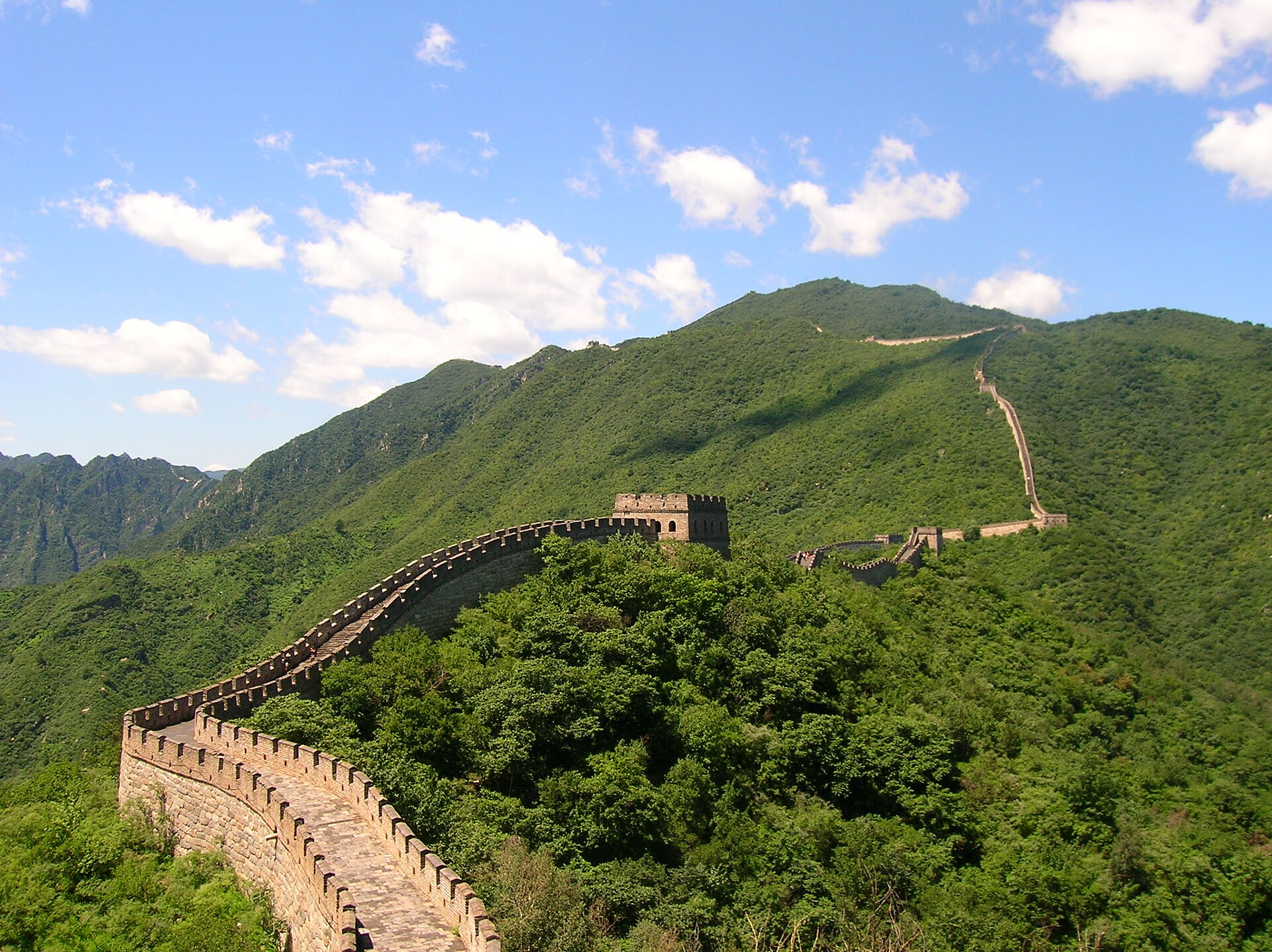
Beijing is a city that crushes a person with its scale. Tiananmen square is among the largest in the world, the Forbidden City has more than nine thousand rooms, and the Great Wall begins at the edge of the city. Visa-free entry to China has opened up for citizens of Azerbaijan and this has made the trip considerably easier. Below I have written a four-day route and the payment question.
The Forbidden City and Tiananmen
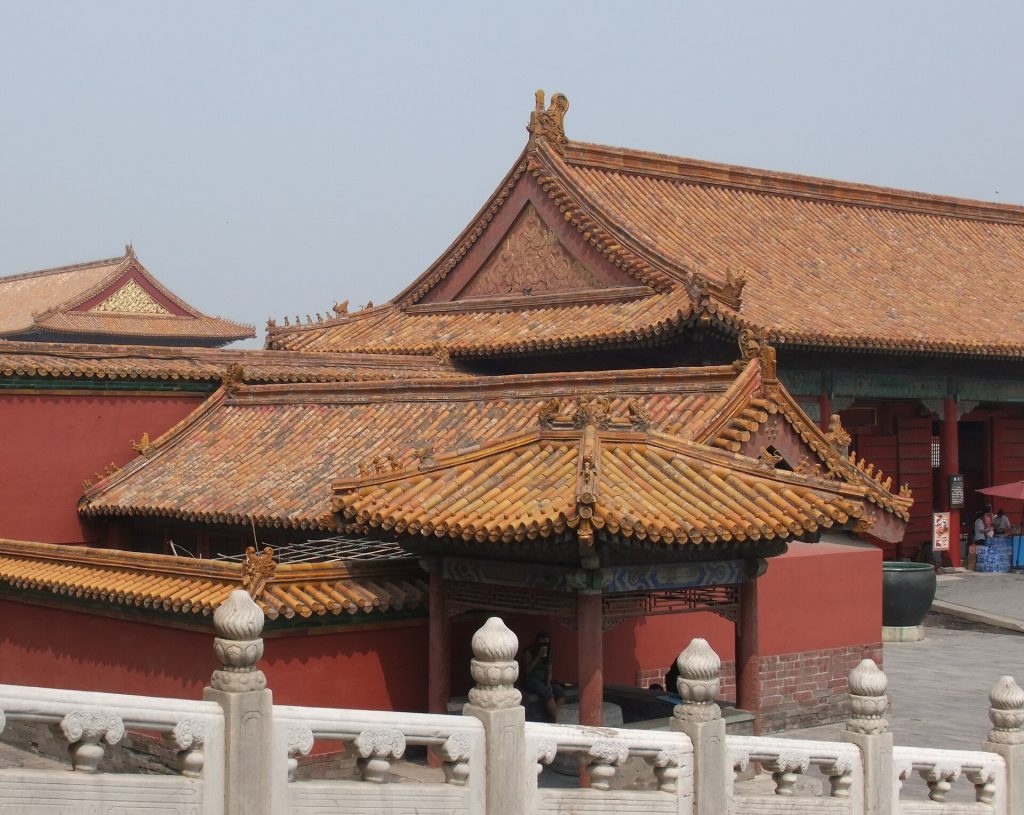
The Forbidden City was the residence of the emperors for five hundred years and is the largest palace complex in the world. The ticket is bought only online, with a passport number and days in advance; tickets are not sold at the box office. The daily number of visitors is limited. Many people who do not know this rule turn back at the gate.
After you come out, climb the hill in Jingshan park opposite; all the palace roofs are visible from there in one frame. Entry to Tiananmen square also involves a passport check. The Temple of Heaven is to the south, and in the morning locals practise tai chi there, which is the city’s liveliest scene.
The Great Wall: which section to choose
Badaling is the nearest and the most restored section; a train goes there, but the crowds are heavy. Mutianyu is greener, has a cable car and is the most comfortable for a family visit. Jinshanling has not been restored, the wall is in its original state and it is almost empty, but in exchange the road takes two hours.
Whichever you choose, plan a full day and take water and comfortable shoes. The wall climbs steep slopes and the steps are uneven. Taking the day tours in advance settles the transport question, because public transport works poorly to the distant sections.
Payment, internet and the metro in Beijing
In China almost everything is paid for by phone. Linking a foreign card to the Alipay and WeChat Pay apps is now possible; do this before you come and check that it works. Take cash yuan as well, as it is a lifesaver in small places.
Many international sites and services are blocked in China. An international roaming eSIM is the simplest way round that restriction, because the traffic is routed outside the country. Load an eSIM for China package onto your phone before the flight. The metro is large and cheap, and there are security checks at the stations, so keep some time in reserve.
Hutongs, food and prices
The narrow old streets called hutongs keep Beijing’s real character, and Nanluoguxiang and the area around the Shichahai lakes are the best examples. Going round by bicycle is the most comfortable way there.
Peking duck is the city’s main dish and is cooked in a special oven. The dumplings called jiaozi are everywhere. Muslim cooking, and Uyghur restaurants in particular, are widespread and halal food is not a problem. A hotel is 50–100 euros and lunch in a restaurant 5–12. Official information is on the Visit Beijing site.
Season in Beijing
April–May and September–October are the best months, with the weather at 18–26 degrees. July–August is hot, humid and rainy. Winter is dry and very cold, dropping to minus ten degrees. During the national holiday week at the beginning of October the whole country travels, so avoid those dates.
In one sentence
Beijing is a city that demands preparation, but for the person who does that preparation it gives one of the most striking routes in the world. Buy the Forbidden City ticket days ahead, set up the payment app in advance, and choose a section of the wall knowingly. For a visa and a route, fill in the application form.
Note: the prices in this article are those at the time of publication and may change with the exchange rate.
