Barcelona manages something few cities can: you are on the beach in the morning, lost in the gothic quarter at midday, and looking down on the city from a hill in the evening. The architecture here carries one man’s signature — Gaudi set the city apart for centuries. There is no direct flight from Baku; you travel via Istanbul or a European city. Below I have written a four-day route and which tickets you need in advance.
Barcelona in brief
| Country | Spain, the Catalonia region |
| Visa | Schengen “C” visa, BLS centre in Baku |
| Languages | Catalan and Spanish; English at the tourist sites |
| Best time | May–June and September–October |
| Swimming season | June–September |
| How many days | Four days |
The Gaudi route: the Sagrada Familia and Park Guell
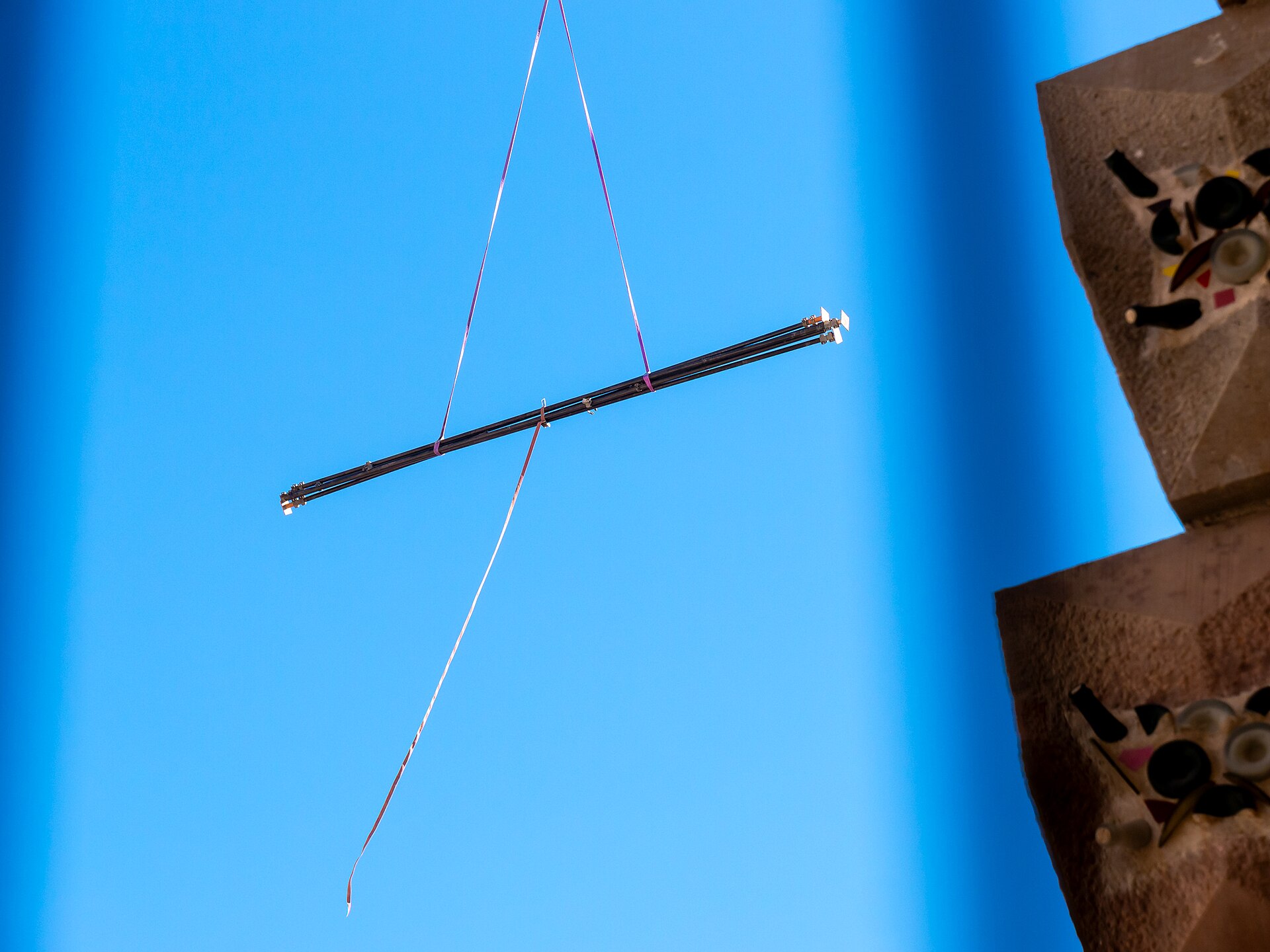
The Sagrada Familia has been under construction since 1882 and is still not finished. If you do not go inside you have not really seen the building, because the main effect is the coloured light falling through the stained glass. In the morning blue and green come from the east side, in the evening orange and red from the west. Buy the ticket a few weeks ahead; climbing the towers is a separate option.
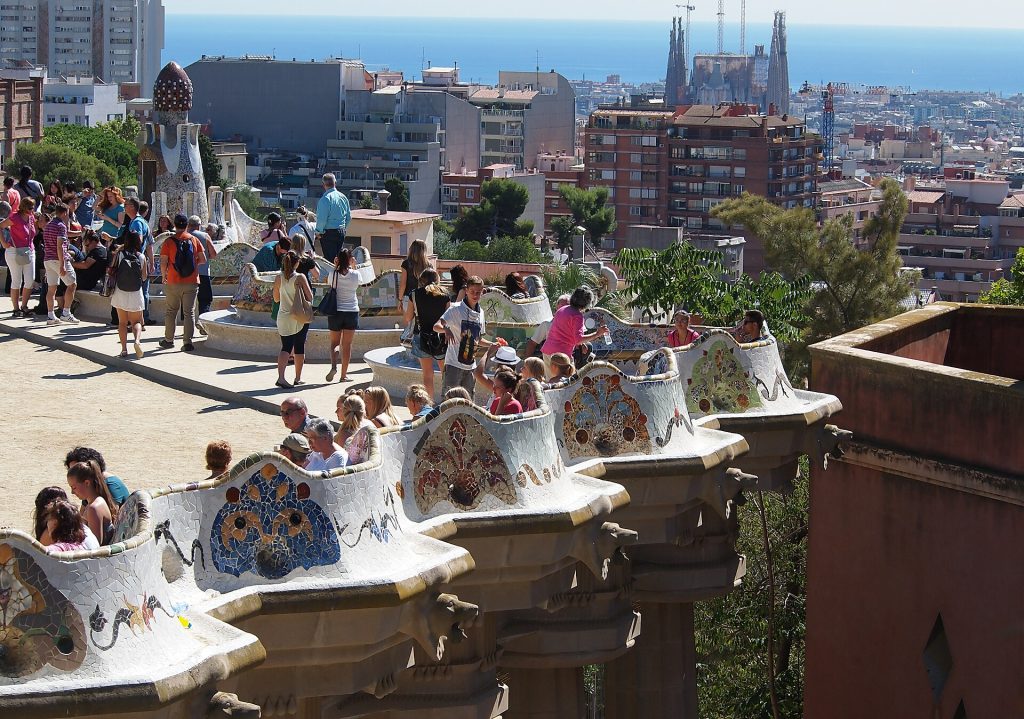
Park Guell is on a hill and its mosaic section needs a timed ticket. Casa Batllo and Casa Mila are on the same avenue, and doing both at once is too much — choose one. Taking the Gaudi tickets in one place saves both time and money.
The gothic quarter, the Ramblas and the beach
The gothic quarter is made of medieval streets and is the ideal place to walk without a map. The cathedral courtyard is quiet, and there are small cafés on the squares nearby. La Rambla is the tourist boulevard: walk it once and be done, and do not eat at the restaurants there.
Barceloneta beach is half an hour on foot from the centre. Being a city beach, the sand is of middling quality and there are a lot of people in summer, but an evening walk along the shore is lovely. If you want cleaner water, the suburban train gets you to the town of Sitges in forty minutes.
Transport and pickpockets in Barcelona
The metro has eight lines and covers the city completely. The ten-journey ticket called T-Casual is the best-value option and can be shared between several people. From El Prat airport the Aerobus takes thirty-five minutes to the centre, while metro line L9 is cheap. The intercity AVE train reaches Madrid in two and a half hours. Depending on the transit city, the difference between tickets from Baku to Barcelona is large, and at the summer peak the price doubles.
Pickpocketing is a real problem here and I do not want to soften it. On the metro, on the Ramblas and in front of the Sagrada Familia, do not keep your bag behind you. Do not leave your phone on the table. People who show you a map or spill something on your shirt are almost always working as a team.
Tapas, the markets and eating hours
Eating hours start late in Spain: lunch at two and dinner after nine. A restaurant open at eight is usually for tourists. Tapas come on small plates and are meant to be shared between several people. Paella is really a Valencian dish, though good versions are found here too — just stay away from picture menus.
The Boqueria market is on the Ramblas and has become very touristy; locals go to the Santa Caterina market. Halal food is widespread in the Raval district, where there are Pakistani and Moroccan restaurants. For lunch the daily set menu called “menú del día” gives you three courses for 12–18 euros.
Read more: A Spain travel guide: Barcelona, Madrid, Andalusia, the islands and the AVE trains
Season and budget in Barcelona
May–June and September–October are the most balanced period, with 22–28 degrees and a sea that is still warm. July and August climb above 30, are humid, and the city fills with cruise ships. Winter is 12–16 degrees, the beach closes, but walking the city becomes comfortable. Rain comes mostly in autumn.
A three-star hotel in the centre is 110–170 euros, and 90–140 in the Eixample district. The Sagrada Familia ticket is 26 euros, Park Guell 10, and a day of transport around 12. Booking city journeys and the airport transfer in advance saves you the taxi queue on late flights. Official information is on the Barcelona Turisme site.
In one sentence
Barcelona fills four days completely, and half the plan should be Gaudi and half the street. Buy the Sagrada Familia ticket now, keep your bag in front of you, and choose the set menu for lunch. If you want to see it together with Madrid and Andalusia, look at tours starting from Spain. For a visa and a route, fill in the application form.
Note: the prices in this article are those at the time of publication and may change with the season.
