Spain is one of the countries most often visited from Baku on a Schengen visa, and the reason is plain. On one side stand Barcelona’s Gaudí architecture and Madrid’s museums, on the other Andalusia’s Arab palaces and the Mediterranean shore — and there are Mallorca and the Canary Islands besides. The food, meanwhile, is both cheap and good.
The country is large and not everything fits into one trip, so you have to choose: the cities, the coast or the south. Below I have gathered the regions, the AVE trains, the tapas kitchen, the halal options, the season and the budget.
Spain in brief
| Capital | Madrid; most tourists go to Barcelona |
| Language | Spanish; Catalan in Catalonia; English in tourism |
| Currency | Euro; cards everywhere |
| Visa | Schengen «C» visa, BLS visa centre in Baku |
| Best time | April–June and September–October; the Canaries all year |
| Flights | 8–9 hours to Madrid, Barcelona or Málaga via Istanbul |
| Daily budget | 110–160 euros at a mid-range level |
Barcelona and Madrid
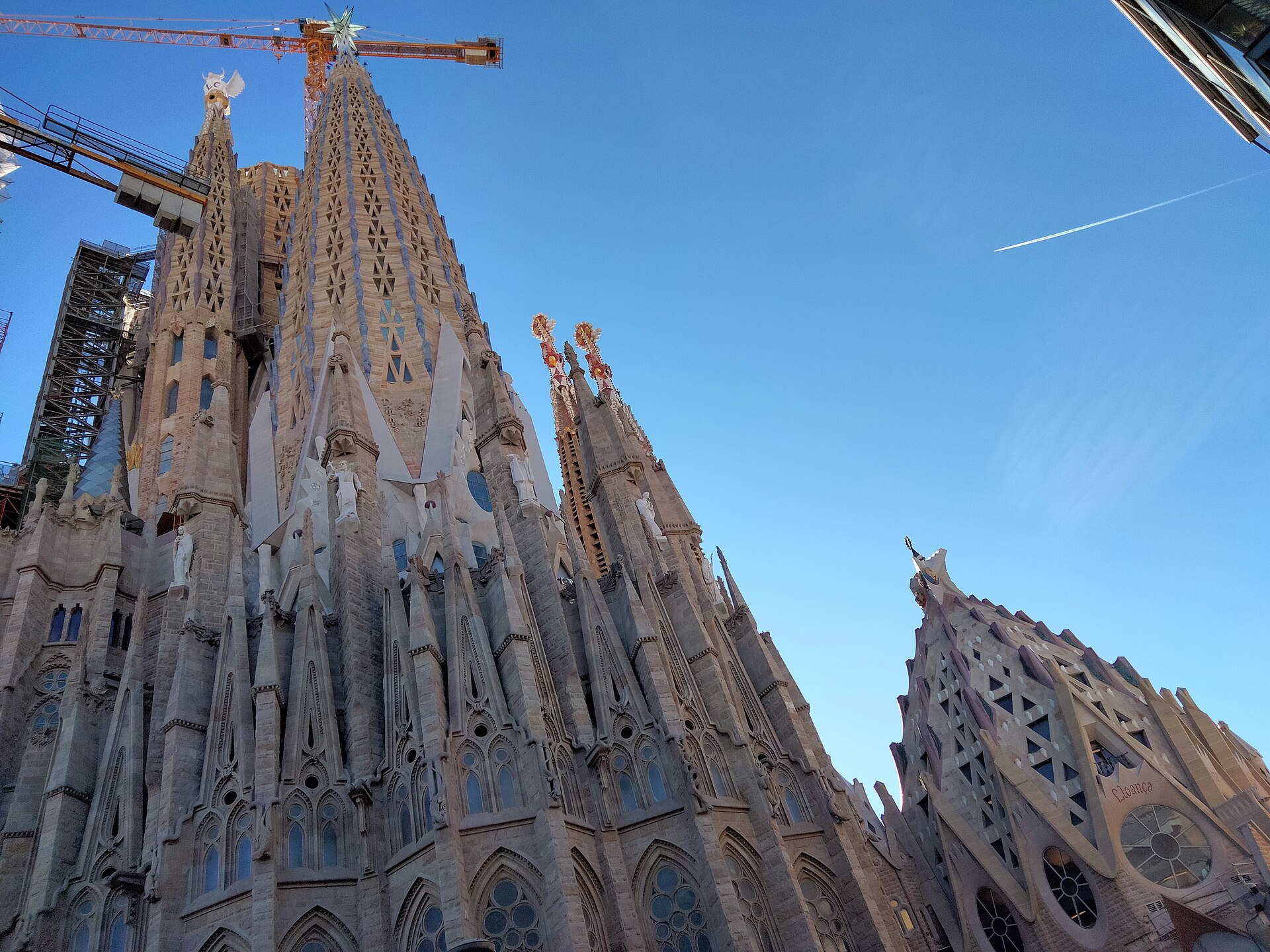
Barcelona is three days. Buy your Sagrada Família ticket online weeks ahead; it is not sold at the door. Park Güell and Casa Batlló are Gaudí’s world. The Gothic quarter and the Ramblas are the centre. Drink a fruit juice at the Boqueria market. Barceloneta beach and Montjuïc hill are on the list too. An hour from the city, the mountain monastery of Montserrat is a day. One warning: Barcelona is among Europe’s leaders in pickpocketing — keep your bag in front of you on the Ramblas and the metro. Madrid is calm in that respect.
Madrid is two or three days. The Prado, Reina Sofía and Thyssen museums are called the «art triangle». The Royal Palace and Retiro park are nearby. Plaza Mayor and Sol are the heart of the city. Salamanca is the shopping district. Spend the evening over tapas in the Malasaña and La Latina quarters. Toledo and Segovia are thirty minutes away by fast train, a day each — do go to Toledo, a city of three religions.
Andalusia, the coast and the islands: Spain in the south
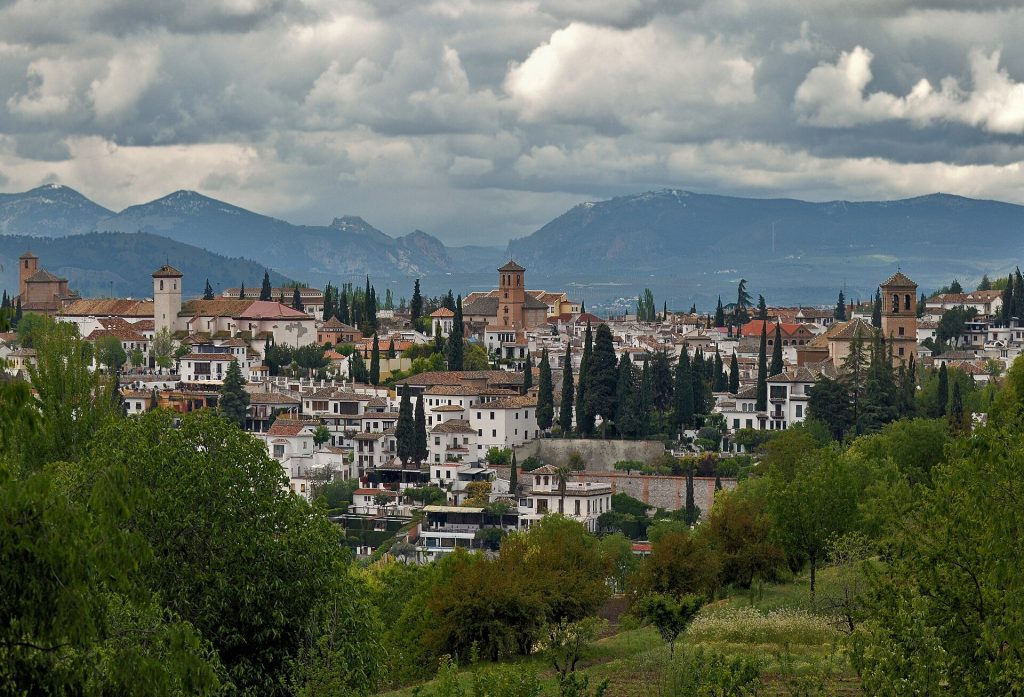
Andalusia is the heart of the Arab heritage and the part that feels closest to us. Granada has the Alhambra palace and the Albaicín quarter. Alhambra tickets sell out one or two months ahead, and whoever is late only looks at it from a distance. In Córdoba stands the Mosque-Cathedral. And in Seville the Alcázar, the Giralda and flamenco await you. The three cities are an hour to an hour and a half apart by fast train and want five days. The Costa del Sol, with Málaga, Marbella and Nerja, is a beach season from May to October, and Málaga is Picasso’s city and Andalusia’s gateway.
Valencia is the home of paella, and the City of Arts and Sciences together with the beach takes two days. Mallorca, with Palma cathedral, the Serra de Tramuntana mountains and its coves, is for a family holiday, while Ibiza is known for its nightlife.
The Canary Islands, that is Tenerife and Gran Canaria, lie off the African coast and give 22 degrees even in winter, which makes them a year-round beach. The Teide volcano is the highest peak in all of Spain.
In the north, San Sebastián with its pintxos and Bilbao with the Guggenheim make up a gastronomic route of their own.
Getting around Spain: AVE, Ouigo, Iryo and the metro
AVE high-speed trains run from Madrid to Barcelona, Seville and Málaga in two and a half hours, and to Valencia in an hour and a half. Alongside Renfe, competition from Ouigo and Iryo has made tickets much cheaper: book early and you pay 10–30 euros, book late and it is 80–120. Comparing the three companies in one search is faster than on three separate sites.
ALSA buses serve the small towns, and Vueling and Ryanair fly cheaply to the islands. The Madrid and Barcelona metros are extensive and cheap, a ten-ride ticket is 12 euros, and the metro or Aerobús takes 30–40 minutes from the airport to the centre.
A car is needed for Andalusia’s white villages and Mallorca, at 30–50 euros a day. In city centres a car becomes a burden: the historic centres are camera-controlled restricted zones and the fine comes to your home address. Uber and Cabify work in Madrid, Barcelona and Málaga.
Learn the local rhythm too. Lunch runs from two to four, and dinner starts after nine in the evening. During siesta hours the small shops are closed.
Tapas, paella and halal Spain
Tapas are small plates shared around. In Granada they come free with a drink, and someone who orders two drinks has practically had lunch.
Jamón is pork and so does not suit a halal table. Instead, tortilla potato omelette, patatas bravas, gambas prawns, pulpo octopus, gazpacho cold soup and seafood paella are all fine — and the original paella is in Valencia.
On weekdays the «menú del día» with three courses and a drink is 12–16 euros and is the best-value lunch, while dinner in a restaurant comes to 25–40.
There are dozens of halal restaurants in Granada’s Albaicín quarter. In Madrid look at Lavapiés and in Barcelona at Raval; in central Málaga they are easy to find too. Churros with chocolate are breakfast, and turrón and Valencia oranges are the best thing to take home to Baku. The tap water is drinkable and tipping is not obligatory.
Read next: Spain visa: the summer queue, the documents and the fine points of travelling to the islands
Season and weather
April–June and September–October are the ideal months for the cities, with 20–28 degrees. Seville fills completely during the April fair and Holy Week.
In July and August Madrid, Seville and Córdoba climb to 38–42 degrees, the cities empty by day, only the coast and the islands stay comfortable, and hotel prices on the coast reach their peak.
From November to March Madrid is cold and dry, Barcelona holds at 12–15 degrees and Andalusia at 15–18, and prices fall. The Canaries give a winter beach at 22 degrees in that period. Christmas markets go up in December, and the Three Kings are celebrated on the sixth of January.
For those looking for a spa, Ourense in Galicia and Archena in Murcia are known for their mineral water. Regional and event information is on the Spain.info portal.
Budget and tickets
A three-star hotel is 120–180 euros in Barcelona and 100–150 in Madrid. In Seville and Granada the price is 80–120 euros, in Málaga 120–200 in summer, and a resort in Tenerife 100–180. If you will be spending two nights in each city on an Andalusian route, booking the hotels in one place saves serious time.
The museums are not expensive. The Sagrada Família is 26 euros, the Alhambra 19 and the Prado 15 — and the Prado is free on Sunday evenings. Excluding the flight, a ten-day trip fits into 1300–1800 euros per person, which is cheaper than France or Italy.
Turkish Airlines and Pegasus fly to Madrid, Barcelona and Málaga via Istanbul. Tickets to Barcelona should be bought early for summer and Novruz, while flying to Málaga and starting the route in Andalusia often works out cheaper. For anyone touring Madrid, Andalusia and Barcelona on one route, Spain tour packages settle the AVE and Alhambra tickets in advance, and in summer that is the biggest advantage of all.
Frequently asked questions about Spain
How many days does Spain need?
Barcelona three days and Madrid three, with another five for Andalusia. Ten to twelve days is the ideal plan for a first trip; the coast and the islands are a separate journey.
Barcelona or Madrid?
Barcelona is the sea, architecture and tourist crowds; Madrid is museums, nightlife and a more «Spanish» atmosphere. Since they are two and a half hours apart on the AVE, both fit into one trip.
Can it be combined with Portugal?
Yes: the bus from Seville to Lisbon takes six hours and the flight from Madrid one. It is the same Schengen visa. The visa is taken from the main country of the trip.
In closing
Spain gives you cities, coast and history on one Schengen visa and more cheaply than Western Europe; for anyone who buys the AVE ticket and the Alhambra early and escapes the south in summer, it is an ideal trip. The visa process is explained on the Spain page, and to build the route and the train plan together, fill in the application form.
Note: the prices here are as of the publication date and can change with the season.
