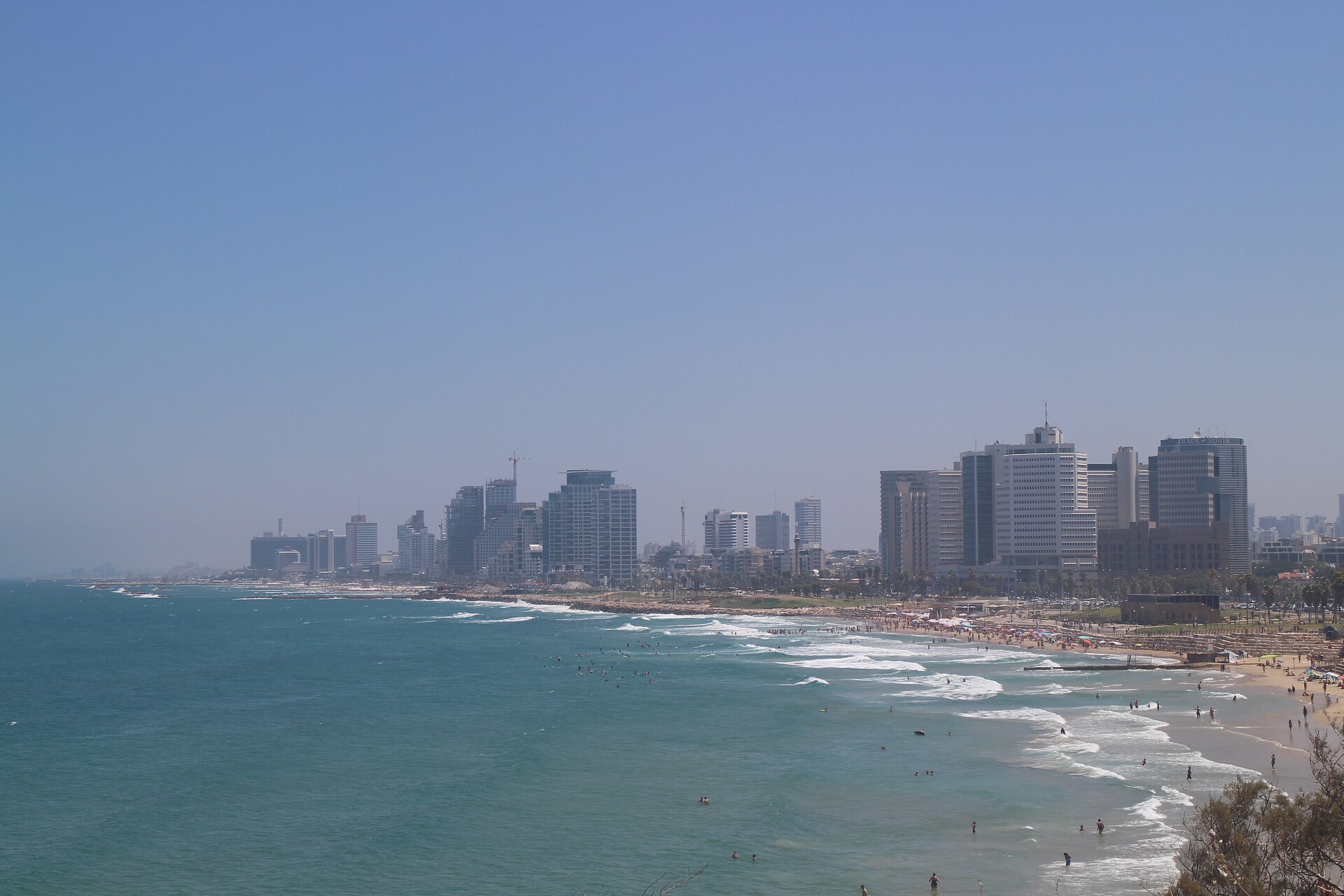
Tel Aviv is on the Mediterranean shore, is an entirely modern city and looks far from the country’s historical image. Here the morning starts on the beach, continues at the market at midday and ends in the evening in the cafés on the boulevards. Because the city is compact, a bicycle and walking are the most comfortable option. Three days are enough for the main parts.
The shore, Jaffa and the old port
The walking path stretching along the shore runs from the north of the city to the south and is close to ten kilometres. Beaches line its whole length, each with its own character, some quiet and some with music. Early in the morning there are runners and cyclists here.
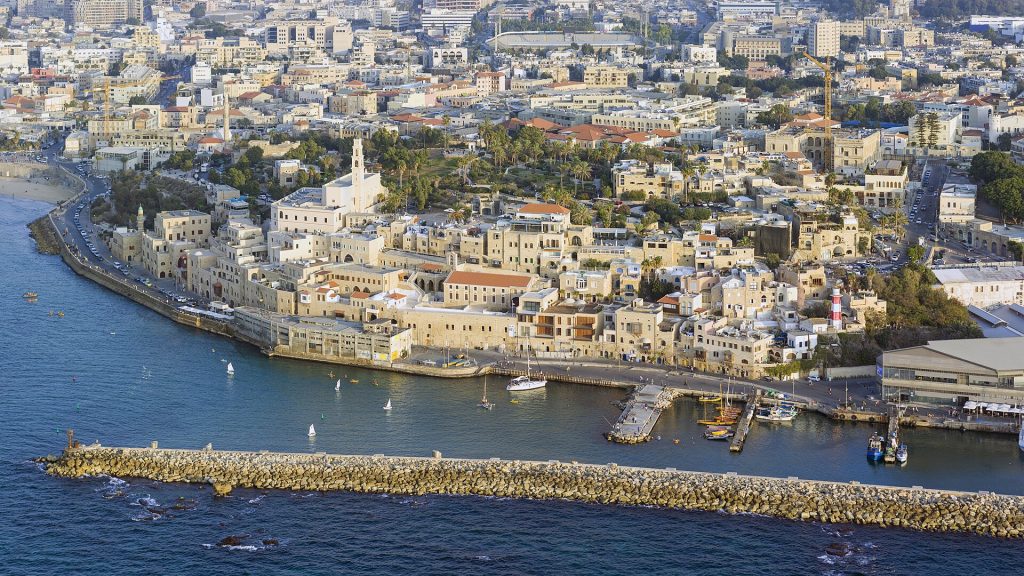
Jaffa is the oldest part of the city and is in fact far, far older than Tel Aviv. The narrow stone streets, the old port and the flea market are there, and towards evening the restaurants fill up. The area around the clock tower is considered a meeting place and is the city’s most photographed spot.
Bauhaus architecture and the boulevards in Tel Aviv
In the centre of the city there are thousands of white, plainly lined buildings, and this collection has been put on the UNESCO list under the name “the White City”. The buildings were put up in the thirties by architects who came from Europe and carry the Bauhaus style. Rounded balconies and narrow windows are the most visible mark of that style.
Rothschild boulevard is the best place to see this architecture in one stretch, with a pedestrian and bicycle lane down the middle. The Neve Tzedek quarter, with its low houses and small galleries, has an entirely different rhythm. Taking a guided architecture walk helps you understand the history of the buildings.
The market, the food and the Shabbat rule
The Carmel market is the city’s culinary centre, with fruit, spices and ready food all in one place. Hummus counts as a dish in its own right here and is eaten as breakfast, with warm bread alongside. Shakshuka and the sandwich called sabich must also be tasted.
Know one practical rule in advance: the rest period called Shabbat lasts from sunset on Friday to Saturday evening and changes the rhythm of the city. Public transport stops, many shops close and only part of the restaurants work. For this period either plan a taxi or keep that day for the beach.
Read more: An Israel travel guide: Jerusalem, Tel Aviv, the Dead Sea, the Shabbat rule and the Ben Gurion check
Transport and budget in Tel Aviv
The train from the airport to the city takes twenty minutes and is the fastest option. For getting around the city bicycle hire is widely used, because the ground is flat and there are dedicated lanes. The train to Jerusalem is about an hour and is convenient for a day trip.
| Hotel | A night in the centre, roughly 130–220 euros |
| Lunch at the market | 12–20 euros a head |
| Dinner in a restaurant | 35–60 euros |
| Train ticket | Cheap towards the airport and Jerusalem |
The city is expensive, especially on the accommodation side, so plan the budget around the hotel. Following hotel prices near the shore by month gives the biggest saving. The security check at the airport takes a long time, so arrive three hours before the flight and answer the questions calmly. For a connection as soon as you land, an eSIM activated in advance saves time. If your flight dates are flexible, follow Baku–Tel Aviv ticket prices in advance. Official tourism information is on the goisrael.com site.
Season in Tel Aviv
April–June and September–November are the most comfortable period, the weather is 22–29 degrees and the sea is fit for swimming. July–August passes hot and humid, and staying out in the street in the midday hours is hard. December–February is cool and rainy, the temperature varies between 12 and 18 degrees and hotels get cheaper. In the spring months the sea water is still cool.
In short
Tel Aviv is a city of the shore, architecture and food, while the historical part is given by Jaffa and Jerusalem. Write the Shabbat hours into your calendar, go to the airport early, and do not miss breakfast at the market. If you want to travel the region together with several points, you can look at ready-made tour programmes for the region. For a visa and a route, fill in the application form.
Note: the situation in the region can change, so before travelling be sure to check the official advice and the entry rules.
