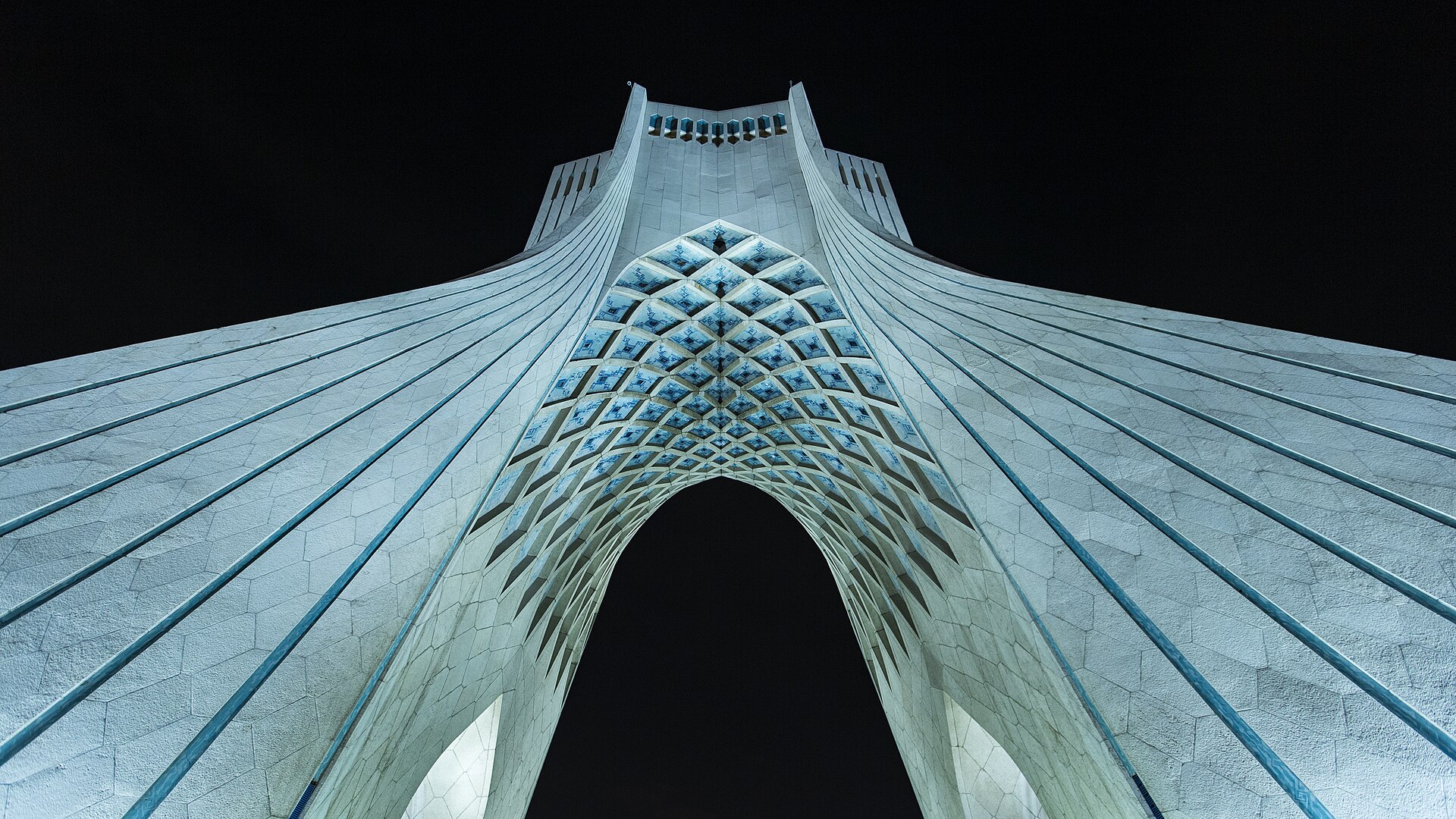
Tehran is an enormous city where close to fifteen million people live, and its north and its south are almost two separate worlds. In the north there are mountains, wide avenues and modern cafés, and in the south the old bazaar and traditional quarters. The Alborz range surrounds the city and in winter the snow cover is visible from the street. Below I have written a three-day route and the money question.
The palaces and the museums
The Golestan palace remains from the Qajar period, is on the UNESCO list and is known for its mirrored halls. A separate ticket is bought for each pavilion; you do not need to go round them all, so choose two. The National Museum gathers a thousand years of Iranian history and the bas-reliefs brought from Persepolis are there.
The Saadabad and Niavaran complexes are in the north of the city, the latter having been the residence of the last royal family. The Jewellery Museum is in the basement of the central bank and holds one of the largest collections of precious stones in the world; its open days are limited, so check in advance.
The Grand Bazaar and the old city
The Grand Bazaar of Tehran consists of more than ten kilometres of corridors and inside it there is a mosque, a bank and a teahouse. The carpet section is the most interesting. The bazaar is closed on Friday, so take that into account when planning.
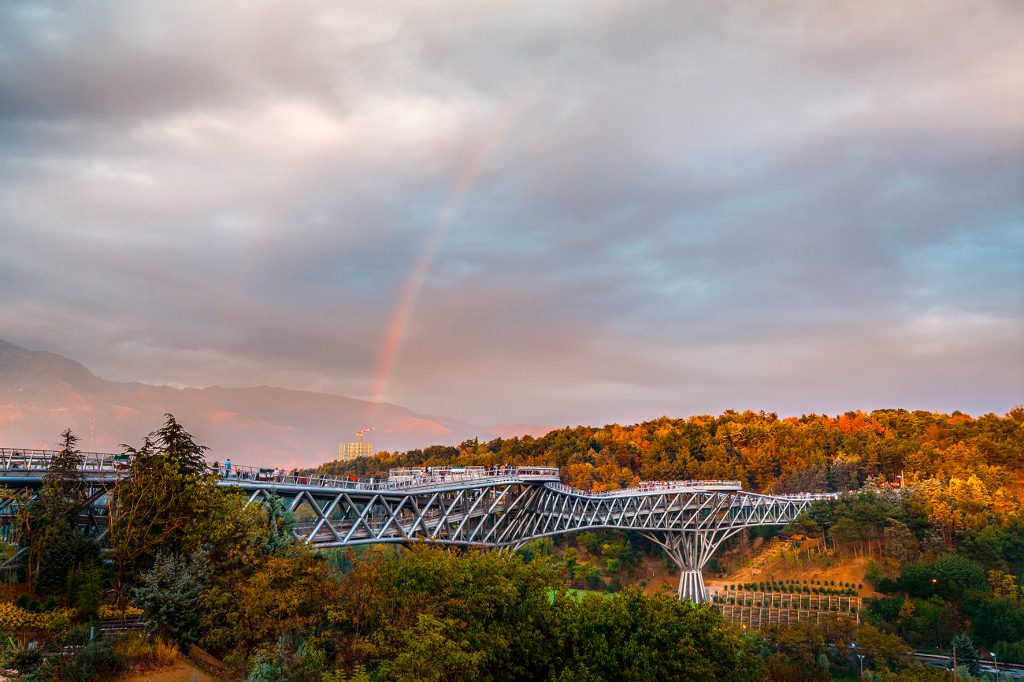
The Tabiat bridge is the modern symbol of the city, a three-level pedestrian bridge joining two parks, and in the evening it fills with locals. The Milad tower is the highest point in the city and has an observation deck. The Darband and Tochal paths are in the north and climb the mountain; at weekends Tehranis go up there.
Money, internet and clothing in Tehran
The most important rule is this: foreign bank cards do not work in Iran. You have to bring the whole trip budget as cash currency and change it on the spot. Local debit cards are also sold for tourists, and you top them up on the spot. In counting money there is a difference between the toman and the rial, so when a price is quoted make sure which unit it is in.
Many international sites and apps are restricted. For women a head covering and long clothing are required in public places, and this applies to tourists too. For men shorts are not considered appropriate in a public place.
Read more: An Iran travel guide: Isfahan, Shiraz, Tabriz, the Sarein hot springs and the cash rule
Transport and food in Tehran
The metro has seven lines and is the fastest transport in the city, because above ground the traffic is serious. On the trains there are separate carriages for women. The local taxi apps work and are very cheap. Khomeini airport is forty-five kilometres from the centre.
There are many kinds of kebab and chelo kebab is the national dish. The herb stew called ghormeh sabzi is the classic of home cooking. The dish called dizi comes in its pots and you mash it yourself, which is a ritual in itself. Lunch in a restaurant is very cheap.
Season in Tehran
April–May and September–October are the best months, with the weather at 20–28 degrees. July–August climbs to 38 degrees and it is a dry heat. Winter is cold, it snows on the mountain skirts and the ski resorts work. During the Novruz period, at the end of March, everything closes and the hotels fill up. Official tourism information is on the Iran Tourism site.
A last word
Tehran is a hospitable, cheap and more modern city than you expect, but it requires preparation. Plan your cash in advance, go to the bazaar on a day other than Friday, and spend one evening on the Tabiat bridge. For a visa and a route, fill in the application form.
Note: the prices in this article are those at the time of publication and may change with the exchange rate.
