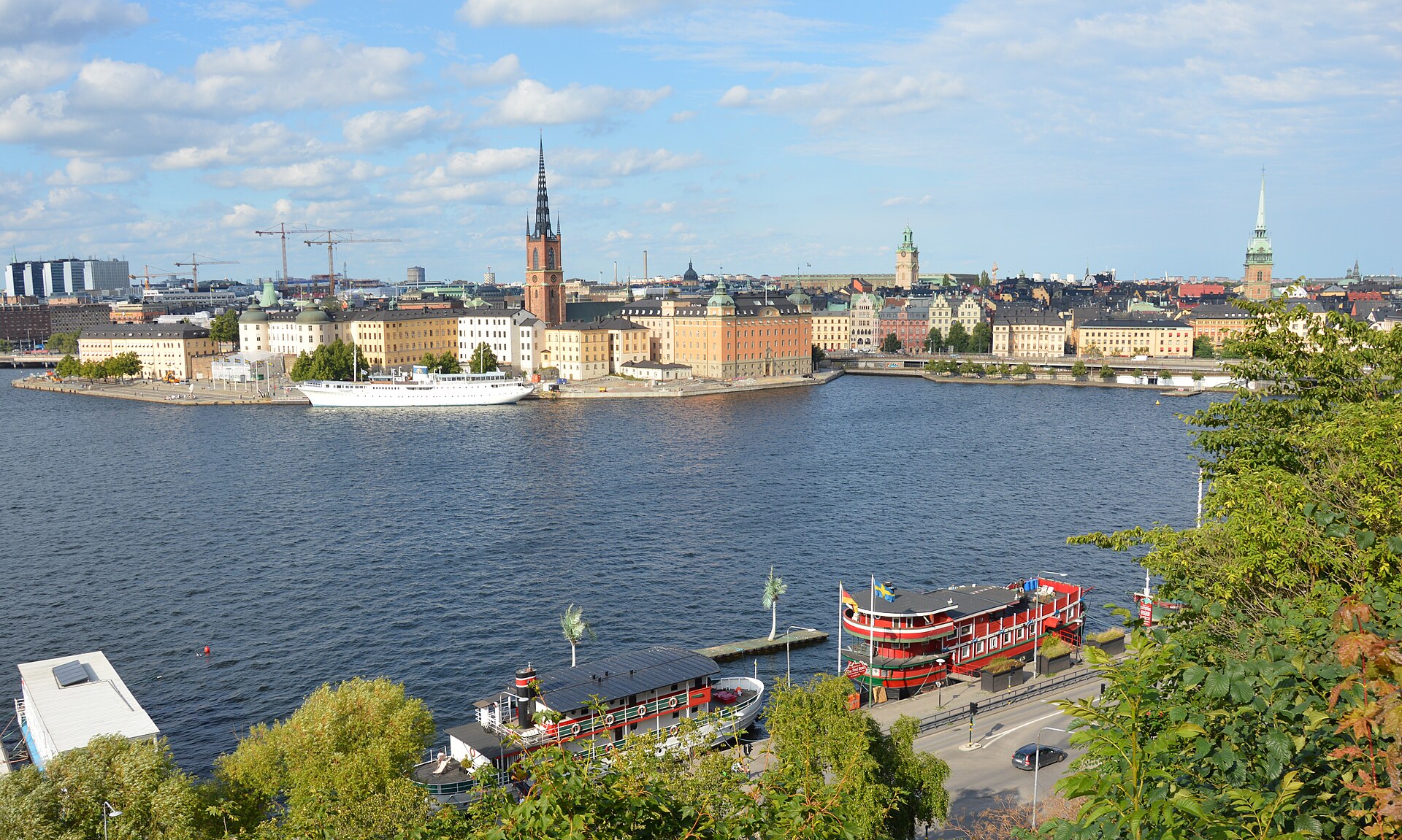
Sweden is the largest country in Scandinavia, and Stockholm, built across fourteen islands, is reckoned one of Europe’s most beautiful capitals.
For us Sweden means design, cleanliness, calm and a sun that does not set in summer, while winter brings Lapland’s northern lights and the Icehotel. The country is expensive and almost entirely cashless — carrying money in your pocket is pointless here. Free nature, the archipelago ferries and the fika culture balance the budget. Below I have gathered Stockholm, the other cities, Lapland, transport, food, the season and the budget.
Sweden in brief
| Capital | Stockholm |
| Language | Swedish; everyone’s English is excellent |
| Currency | Swedish krona (SEK), 1 euro ≈ 11 kronor; cash is hardly accepted |
| Visa | Schengen «C» visa, through the French embassy and Capago in Baku |
| Best time | May–September; December–March for the northern lights |
| Flights | 7–9 hours via Istanbul or Riga |
| Daily budget | 130–180 euros at a mid-range level |
Stockholm: Gamla Stan, the Vasa and the archipelago
Give Stockholm three days. Gamla Stan is the medieval island, with the Royal Palace, the coloured houses of Stortorget square and narrow lanes — walk it under the evening lights.
On the island of Djurgården stands the Vasa museum. It holds a ship that sank on its maiden voyage in 1628 and was raised whole three hundred years later; it is the country’s most visited museum, and looking at the ship you see why at once. The Skansen open-air museum and the ABBA museum are beside it.
The Södermalm quarter stands out for its cafés, vintage shops and the Monteliusvägen viewpoint path, while the Fotografiska museum is on the waterfront.
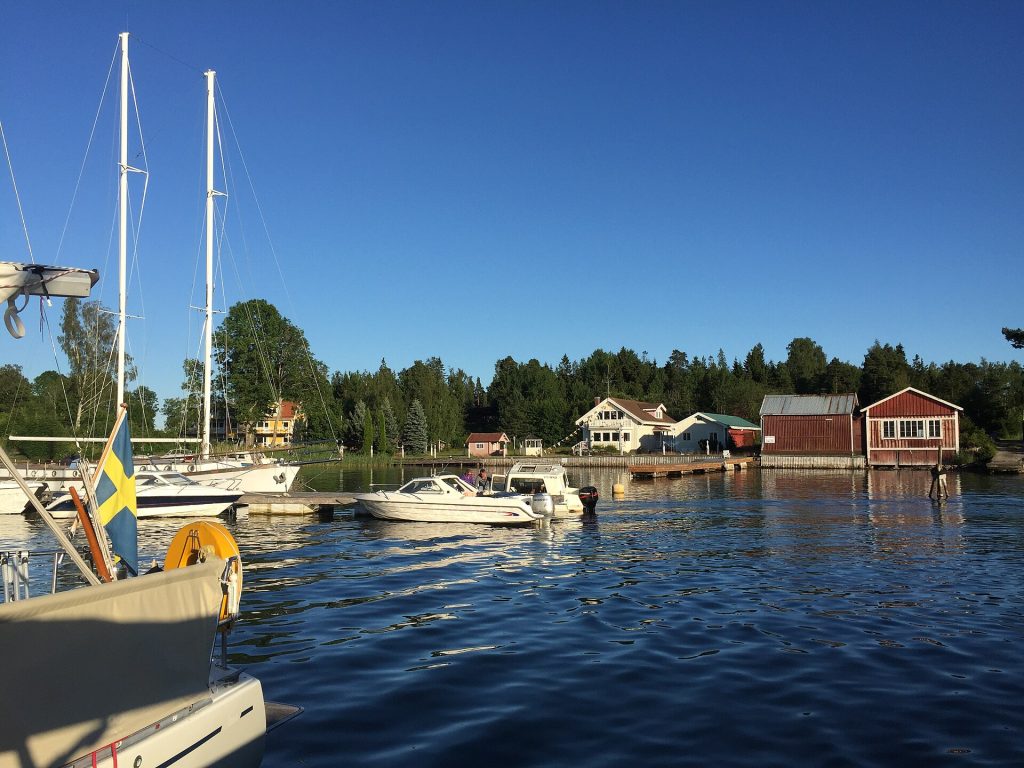
Set aside time for the metro stations, called «the world’s longest art gallery», decorated with painted rock and mosaics — one ticket lets you wander for hours. The archipelago is thirty thousand islands; the ferry from Strömkajen to Vaxholm, Grinda and Sandhamn takes one to two hours, and in summer that is the best day trip of all. Drottningholm palace is on the UNESCO list, an hour away by boat.
Gothenburg, Malmö, Gotland and Lapland
Gothenburg is the second city, on the west coast. Feskekörka is the seafood market. With the Liseberg amusement park and the southern archipelago it takes two days. It is three hours from Stockholm by train. Malmö in the south is 35 minutes from Copenhagen across the bridge, is known for the Turning Torso tower and the Middle Eastern restaurants of the Möllevången quarter, and is the easiest city for halal food. Visby on the island of Gotland, with its medieval walls and Medieval Week in August, is a summer destination. The Dalarna region, with its red wooden houses and Lake Siljan, is «the real Sweden» — the house from the postcards is there.
Lapland in the north means Kiruna and Abisko national park. It is one of the best places in the world to see the northern lights, and the famous «Aurora Sky Station» is there.
The Jukkasjärvi Icehotel is rebuilt every winter and melts in spring; a night costs 300–600 euros. One night is enough, because the temperature in the room is minus five. From Stockholm the night train takes seventeen hours and the flight an hour and a half.
Transport in Sweden and a cashless country
The SL app and card cover Stockholm’s metro, buses, trams and some ferries; a seventy-two-hour ticket is 30 euros and a single ride 4.
There are two ways from the airport into the city. The Arlanda Express takes eighteen minutes and costs 30 euros, while the Flygbussarna bus takes forty-five minutes and is 12 — choose it if you are not in a hurry. Arriving with family and suitcases, a door-to-door transfer works out cheaper from three people up.
Intercity SJ trains operate. Stockholm to Gothenburg is three hours and to Malmö four and a half. Booked early the ticket is 25–40 euros; booked late the price triples. Flixbus and Vy buses are the cheap alternative.
Take one thing seriously: Sweden is the world’s most cashless country. Many cafés, museums and even public toilets do not take cash, and payment goes by card or phone. Do not change cash kronor, because you will be left holding them.
A car is needed only for Dalarna and the northern routes, at 50–80 euros a day, and Stockholm has a congestion charge. Within the city Bolt and Uber work.
Fika, köttbullar and the Swedish kitchen
Fika is a coffee break with a cinnamon bun called kanelbulle, once or twice a day. It is not merely a habit but part of the working culture: at three o’clock everyone in the office gets up and goes for fika.
Köttbullar are meatballs served with mashed potato, lingonberry jam and a creamy sauce; that is the national dish, and it tastes better than the IKEA version. Gravlax is cured salmon. Surströmming is fermented herring and a real test of nerve — the tin is opened outdoors only. Semla is the February bun.
The best value is the weekday lunch menu called «dagens lunch» at 12–15 euros, while dinner in a restaurant comes to 30–50. Halal food is widely available in Stockholm, especially in the Middle Eastern restaurants of Rinkeby and Södermalm, and in Malmö in the Möllevången quarter. The tap water is clean and service is included in the bill.
Read next: The Sweden visa comes from the French embassy: Capago, the bank statement and the Scandinavian route
Season and weather
May to September is the summer season. Stockholm is 18–25 degrees, and in June the day lasts eighteen hours. At the end of June Midsommar takes the whole country out to the countryside and the city empties, while July is the local holiday month. September is quiet, warm and cheap, the archipelago ferries are still running, and that is the month I would choose.
October and November are grey and wet. In December Christmas markets go up in Stockholm, and on the thirteenth the Lucia festival is held. In Lapland the northern lights are at their strongest from December to March, and the temperature drops to minus 15–25.
There is also «allemansrätten», everyone’s right of access to nature. Walking in the forest, pitching a tent and picking berries are entirely free — that is the free side of an expensive country. Regional and event information is on the Visit Sweden portal.
Budget and tickets
A three-star hotel is 120–180 euros in Stockholm and 100–140 in Gothenburg and Malmö, while in Lapland it rises to 150–250 in winter. A hostel is 40–60 euros and is the choice that saves the most money in Sweden.
As for museums, the Vasa is 19 euros and Skansen 20, while the Stockholm Pass is 60 euros a day. Excluding the flight, a week-long trip fits into 1200–1600 euros per person, or 1800–2400 with Lapland.
Turkish Airlines flies to Stockholm via Istanbul and airBaltic via Riga. When looking for a ticket to Stockholm, check the option of flying to Copenhagen and coming on by train through Malmö — it often works out cheaper. For anyone touring Stockholm, Copenhagen and Oslo on one route, Scandinavian capitals tour packages settle the train and ferry crossings together.
Frequently asked questions about Sweden
How many days does Sweden need?
Stockholm three days, the archipelago one, Gothenburg or Malmö two — a week in all. Lapland is another three or four days.
Is cash really unnecessary?
Practically, yes. International Visa and Mastercard work everywhere and phone payment works too; fifty euros’ worth of kronor is enough as a reserve.
Is Sweden good with children?
It is the most child-friendly country in Scandinavia. Junibacken is a storybook museum and an ideal place for children. Skansen and the Liseberg park are on the list too. There are ramps and children’s menus everywhere. In Lapland the Santa’s village is not as famous as Finland’s, but there are husky and reindeer tours.
In closing
Sweden is an expensive, cashless and calm country, and its capital on the water, the archipelago and the northern lights give a different trip in every season. The visa process is explained on the Sweden page, and to build the Scandinavian route together, fill in the application form.
Note: the prices here are as of the publication date and can change with the season.
