Slovenia is Europe’s little miracle. The Alps, the Adriatic, karst caves and emerald rivers fit into an area a tenth the size of Switzerland, and you reach everywhere by car within two hours.
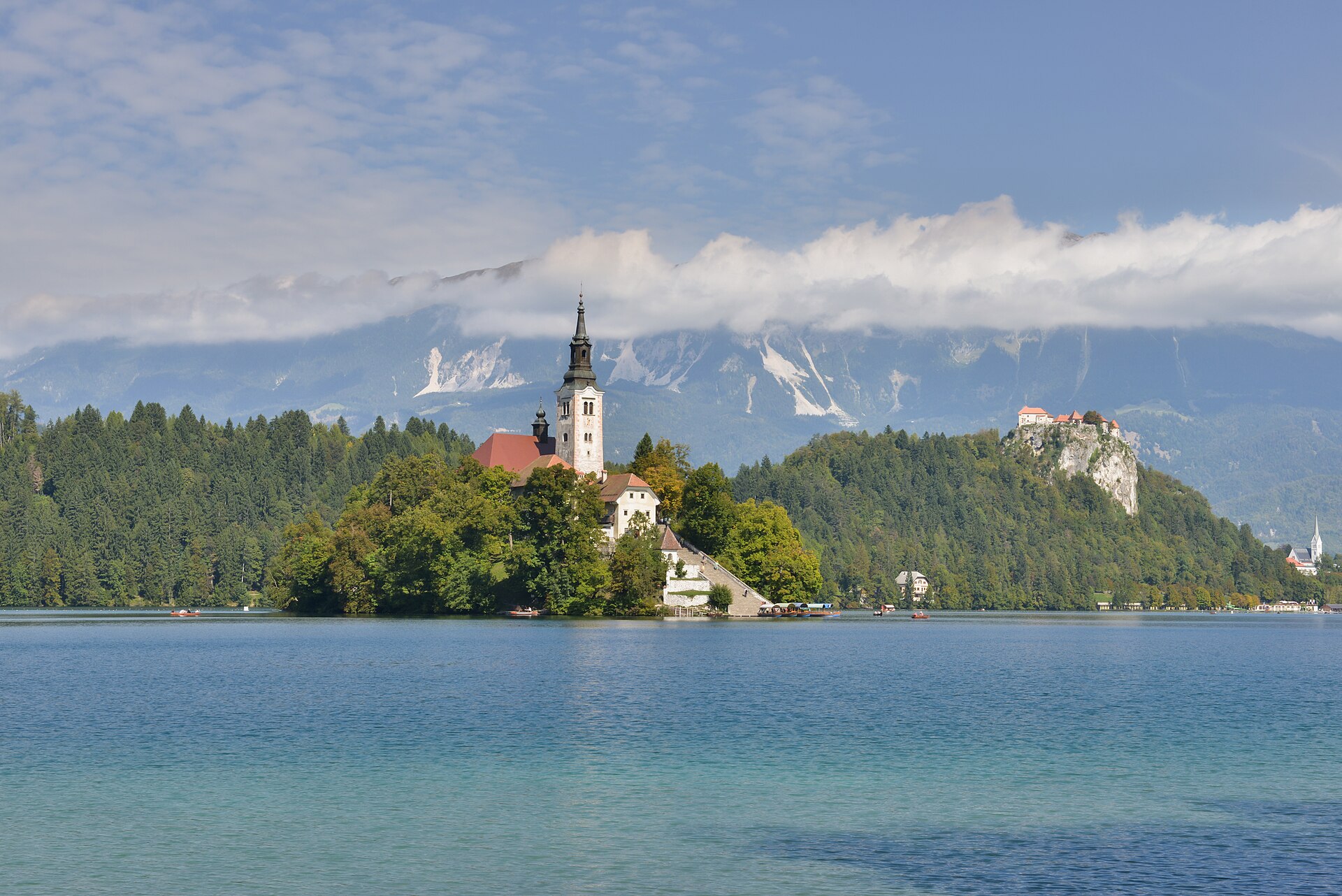
The church island in the middle of Lake Bled is one of the most photographed views in Europe. Ljubljana, meanwhile, is one of the greenest and quietest capitals in the world, and I always come back from it rested.
For us there is no embassy in Baku and the visa is obtained through a representing country. Below I have gathered Ljubljana, Bled and Bohinj, the caves and Piran, and the Soča valley, the spas, the transport, the food, the season and the budget.
Slovenia in brief
| Capital | Ljubljana, 300,000 people |
| Language | Slovene; everybody’s English is excellent |
| Currency | Euro; cards everywhere |
| Visa | Schengen «C» visa, through a representing embassy in Baku |
| Best time | May–June and September; skiing at Kranjska Gora December–March |
| Flights | 6–7 hours to Ljubljana via Istanbul; Vienna, Zagreb and Venice connections |
| Daily budget | 100–140 euros at a mid-range level |
Ljubljana and Lake Bled
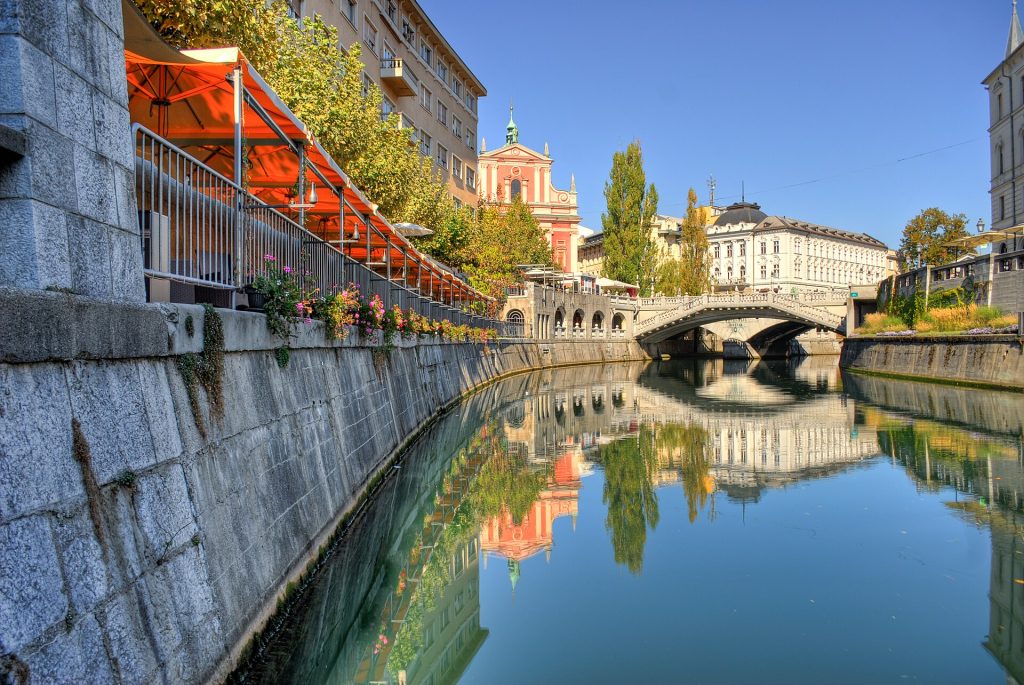
Ljubljana, with its car-free centre, the cafés along the Ljubljanica river and the architect Plečnik’s bridges, is a comfortable city for a day or two. Prešeren Square and the Triple Bridge are the centre of the city, and the Dragon Bridge and the Central Market are nearby. You go up to Ljubljana castle by funicular. Metelkova is the alternative quarter and Tivoli park is the city’s lungs. On Fridays the Open Kitchen street food festival is set up.
Bled is an hour from Ljubljana. In the middle of the Alpine lake stands the island with the church of the Assumption. You cross to it in a wooden pletna boat for 15 euros, then climb the 99 steps and ring the bell of happiness. Bled castle on its cliff is 15 euros too. Going around the lake is a six-kilometre walk, and the classic photograph is taken from the Ojstrica hill. At the café of the Park hotel, try the kremšnita cream cake. The Vintgar gorge runs a kilometre and a half on a boardwalk above the turquoise river; go early in the morning, because at midday it gets crowded. Lake Bohinj is Bled’s wild brother and is inside the Triglav national park. Going up on the Vogel cable car opens the panorama of the Julian Alps. Nearby is the Savica waterfall.
Postojna, Piran, Soča, Maribor: Slovenia within two hours
The Postojna cave is the largest tourist cave in Europe. It is twenty-four kilometres long, you cover three kilometres seven hundred metres of it on an underground train, and inside there is an aquarium of the «olm», the human fish; the ticket is 30 euros. The neighbouring Predjama castle is built into the mouth of a hundred-and-twenty-three-metre cliff and is the largest cave castle in the world; a joint ticket costs 40 euros.
The Škocjan caves are on the UNESCO list, with an underground canyon a hundred and forty-six metres deep. They are more dramatic and cost 25 euros, and if you have to choose I would say Škocjan.
Piran on the Adriatic coast is a town with a Venetian spirit. Tartini Square is the centre, and the best view opens from the town walls. The seafood and the Sečovlje salt pans are a reason to come in their own right; it is an hour and a half from Ljubljana, and in summer there is a beach too.
The Soča valley is an emerald river in the Julian Alps. Rafting and canyoning at Bovec are 50–70 euros. At Kobarid there is a First World War museum. The Vršič pass is a mountain road with fifty bends. Kranjska Gora has skiing and Lake Zelenci. Maribor has the oldest vine in the world and Pohorje mountain. Ptuj is the country’s oldest town. Rogaška Slatina is a four-hundred-year-old spa with magnesium mineral water. Terme Čatež is a thermal park for families, and Lipica is the home of the Lipizzaner horses.
Transport: the car, the bus, Arriva
Slovenia is ideally seen by car. Hire is 30–50 euros a day, everywhere is one or two hours from Ljubljana, and the roads are excellent. You buy the motorway vignette online and the weekly version is 16 euros. At Bled and Bohinj parking in summer is 3–5 euros an hour, and the Vršič pass is only open from May to October.
It works without a car too. The Arriva bus goes from Ljubljana to Bled in an hour and costs 7 euros, and from Bled to Bohinj is thirty minutes. Check the timetable in advance, because the evening services are infrequent. From Ljubljana to Piran is two and a half hours and 12 euros, and to Postojna an hour. The train reaches Bled Jezero station in an hour.
The centre of Ljubljana is seen on foot and by bicycle; the city has Bicike(LJ) hire, the bus with an Urbana card is 1.3 euros, and Bolt and a taxi are 5–8.
The airport question is separate. Ljubljana’s Brnik airport is twenty-five minutes from the city and the bus costs 5 euros. The Venice, Trieste, Zagreb and Vienna airports are 1.5–3 hours away and the flight is often cheaper into those, while the GoOpti transfer service connects them to Slovenia.
Kranjska sausage, štruklji, kremšnita: Slovene food
Slovene cooking is a mix of Alpine, Balkan and Italian. Kranjska klobasa is a smoked sausage served with mustard and horseradish. Štruklji is a roll filled with curd or walnut, and jota is a sauerkraut and bean soup.
For sweets, potica is a walnut roll and counts as the festive cake, with the Bled kremšnita alongside it. Idrija žlikrofi are the local dumplings, in Piran you eat squid and sea bass, and the table is completed by Prekmurje gibanica, Karst pršut and trout caught in the Soča. The good wine comes from Vipava and Maribor.
In the country restaurants called gostilna lunch is 12–18 euros, dinner in Ljubljana 25–40 and the Open Kitchen festival 8–12. Halal food is available in a few Bosnian and Turkish restaurants in Ljubljana, the čevapčiči places work with beef, and meatless versions of štruklji and jota are made. The tap water is Alpine water, and people drink it from Ljubljana’s fountains too.
Read next: A Slovenia visa: there is no embassy in Baku, there is a representative. Who to apply to
Season and weather
May-June and September are the ideal months, with the weather at 20–26 degrees. Bled stays quiet, the mountain paths are open, and the Soča river runs full for rafting.
In July-August Bled and Piran get crowded, the weather climbs to thirty degrees and the hotels live their most expensive time. In Lake Bled the water is twenty-two degrees and swimming is possible.
In October the autumn colours give you the year’s most beautiful photographs at Bled and Bohinj, while Vintgar closes from November. In December Ljubljana is decked in lights and the Christmas market is set up. At Kranjska Gora and Vogel the ski season runs from December to March and a day pass is 40 euros. In winter the weather in Ljubljana is around zero, while Bled under snow turns into a fairytale. Regional information, cave tickets and the events calendar are on the Slovenia.info portal.
Budget and tickets
In Ljubljana a three-star hotel is 90–140 euros. In Bled a hotel with a lake view is 150–250 euros in summer and a guest house 70–110. In Bohinj and the Soča the price is 60–100 euros, in Piran 90–150, and a hostel 25–40. In Bled the tourist tax adds three euros a night.
As for the entry tickets, Bled castle is 15 euros, the pletna boat 15, Vintgar 10, the joint Postojna and Predjama ticket 40 and the Vogel cable car 30. Rafting at Bovec starts from 50 euros, and choosing the group in advance is important in summer.
Excluding the flight, a week-long trip fits into 900–1,300 euros per person, which is to say cheaper than Austria and Italy. Turkish Airlines flies to Ljubljana via Istanbul; along with an air ticket to Ljubljana, flying into Venice or Zagreb and coming on with GoOpti often works out cheaper. Slovenia tour packages fitting Ljubljana, Bled, Postojna and Piran into one week settle the car and the lakeside hotels together, and combining the route with Croatia or Venice is easy as well.
Frequently asked questions about Slovenia
How many days does Slovenia need?
Ljubljana one or two days, Bled and Bohinj two, Postojna and Piran one or two, the Soča one or two — a week in all. With Croatia, ten to twelve days.
Bled or Bohinj?
Bled is the classic view, the castle and the cafés, and crowded in summer. Bohinj is wild and quiet and inside the Triglav park. There are only thirty minutes between them. Stay in Bled and go to Bohinj, or do the opposite.
Can it be combined with Venice?
Yes: Ljubljana–Venice by bus and GoOpti is three hours, and Piran–Venice has a ferry in summer. It is the same Schengen visa, obtained from the main country of travel.
In closing
Slovenia gathers an Alpine lake, a cave and the Adriatic into one road trip, and below Austrian prices at that. It is a small, green and quiet country, and a week makes a complete trip. The visa process and the representation question are explained on the Slovenia page, and to build the Bled and Soča route together, fill in the application form.
Note: the prices here are as of the publication date and can change with the season.
