Everyone has expectations about Paris, and that is exactly why some people come back disappointed. The city is not like it is in the films: the metro is old, the streets are not always clean, and hawkers wander under the Eiffel. But if at eight in the morning you buy a warm baguette from a boulangerie on an empty street and head for the bank of the Seine, that disappointment passes in a minute. Below I have written the city district by district and with a budget.
Paris in brief
| Country | France; divided into 20 districts |
| Visa | Schengen «C» visa, the Capago centre in Baku |
| Currency | Euro; card everywhere, cash at the market |
| Best time | April–June and September–October |
| Flight | Direct from Baku with AZAL, 5.5 hours |
| How many days | Four days for the city, a fifth for Versailles |
Understanding the districts
Paris is divided into twenty districts spiralling outwards from the centre like a snail, and knowing this means choosing your hotel correctly. The first and fourth districts are the centre, where the Louvre and the Marais are. The fifth and sixth are the Latin Quarter and Saint-Germain, the student and café districts. In the seventh stands the Eiffel and in the eighth the Champs-Élysées.
Montmartre is in the eighteenth district, with Sacré-Cœur on top of the hill and the painters’ square behind it. It is touristy, but when you go early in the morning it is still beautiful. In the districts beyond that hotels are cheap, but the metro takes twenty to thirty minutes to the centre. On a first trip choose the fifth, sixth or seventh district.
The museums and the Eiffel Tower
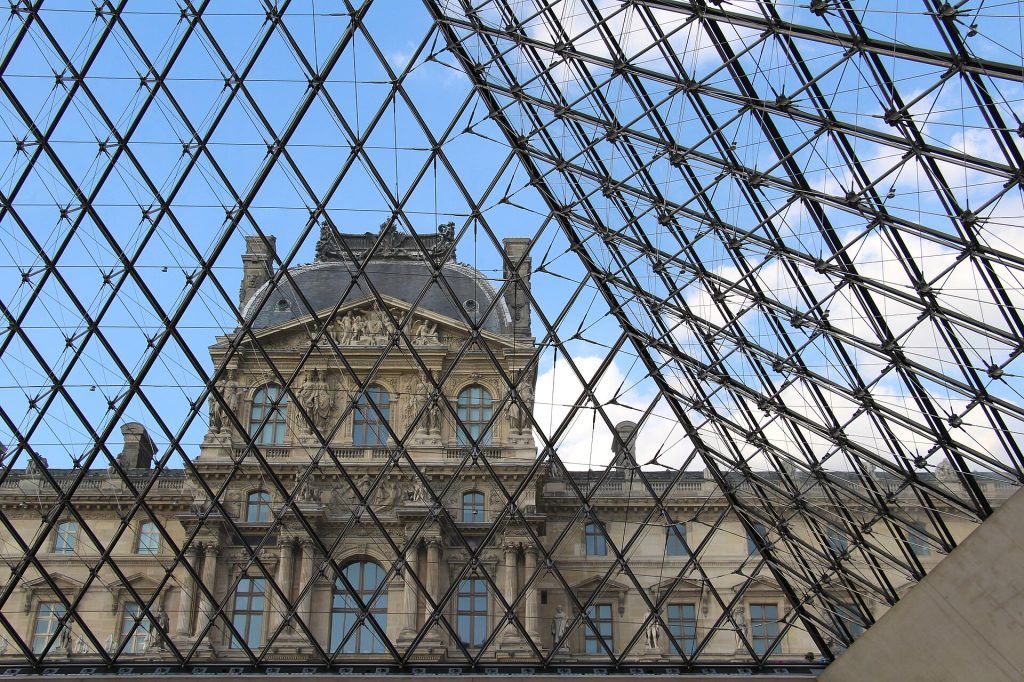
The Louvre is enormous, so do not give it less than three hours and buy the ticket online with a time slot. There is a crowd in front of the Mona Lisa, while the halls behind are empty, and the real pleasure is had there. The Orsay museum is in an old railway station and is better than the Louvre for the impressionists. The garden of the Rodin museum is among the quietest places in summer.
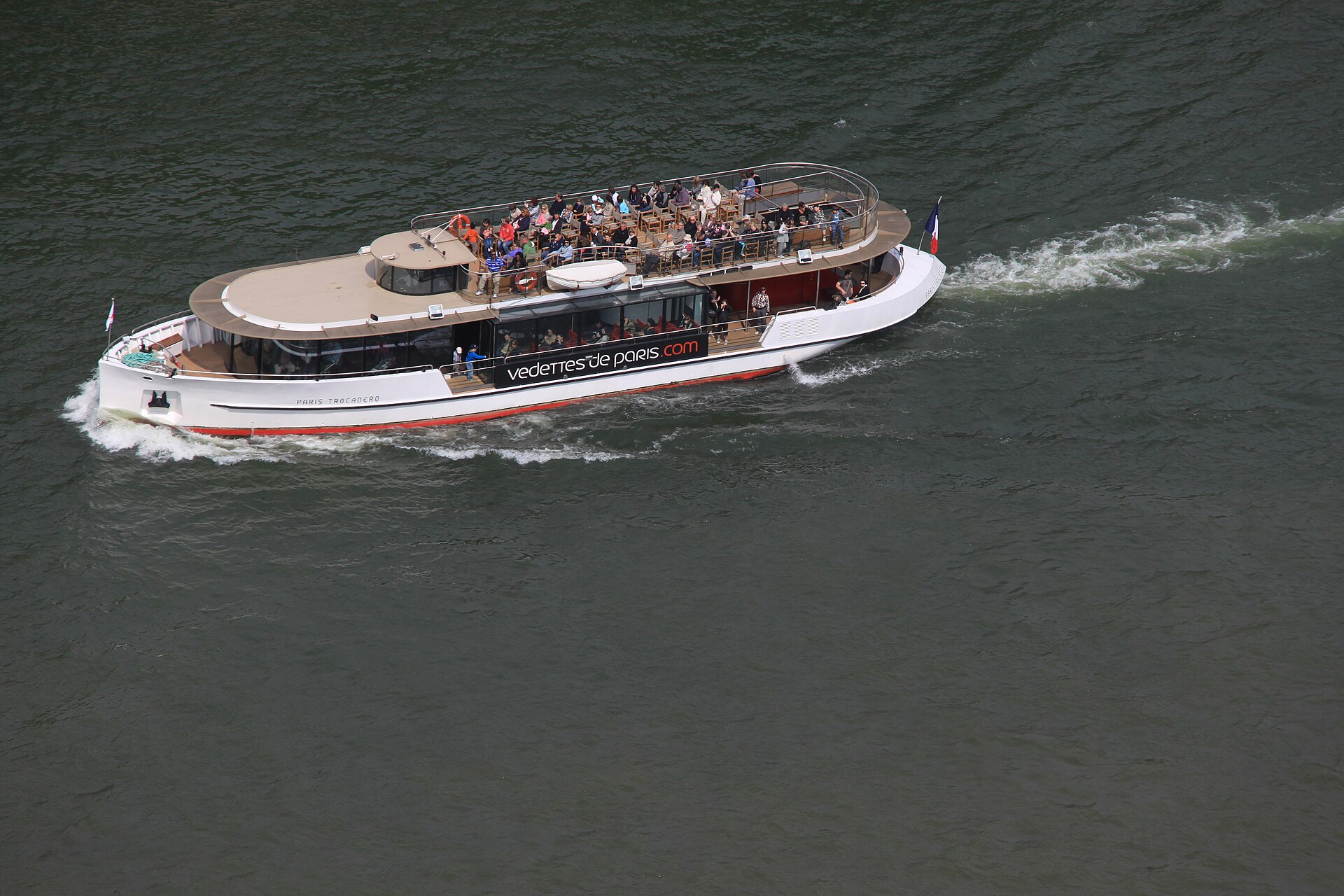
Tickets for the Eiffel Tower sell out months ahead. If you do not want to go up to the top floor, look from the Trocadéro square or from the roof of the Montparnasse tower; the view is better from the second, because the Eiffel itself is in the frame. A boat on the Seine is a cheap hour-long excursion and is more striking in the evening lights. Taking museum and boat tickets in advance halves the queue in summer.
The metro and Versailles in Paris
The metro has sixteen lines and reaches every point in the city. A single ticket is 2.5 euros, but loading ten tickets at once onto a Navigo Easy card works out cheaper. The weekly Navigo card also covers the airport train. From Charles de Gaulle airport to the centre the RER B train is forty-five minutes. There is a direct flight from Baku, and flight prices from Baku to Paris go up during school holidays, so the dates have to be locked in early.
Museum opening hours, closing days and the events calendar change through the year. Looking at the official site of the Paris Tourist Office before the trip saves you several wasted journeys.
Versailles is forty minutes on the RER C. The palace, the gardens and the Grand Trianon together take a full day, so buy the ticket in advance; it is closed on Monday. The fountain show runs on spring and summer weekends and is a separate ticket, so check the date. If you only want to enter the gardens, that is cheaper.
Food and daily spending
In the morning a croissant and coffee from a boulangerie is two or three euros. At midday a bistro has a «formule» menu, two courses coming to 15–20 euros, and this is the most economical meal of the day. In the evening in a restaurant you pay 35–60 euros a head. Buying cheese, bread and fruit at the market and picnicking in a park is both cheap and the Parisian way.
Sitting in a café is more expensive than drinking standing at the bar; if you see two figures on the price list, that is the reason. Halal food is everywhere in the eighteenth and nineteenth districts, around Barbès and Belleville.
Read more: A France travel guide: Paris, the Riviera, Provence, the TGV and ways to protect your budget
Season and prices in Paris
April–June is the loveliest period, the gardens are in flower and the weather is 18–24 degrees. September–October is quiet and golden. In July–August the city fills with tourists and many local restaurants close. Winter is grey and rainy, but the Christmas decorations and the empty museums are a pleasure of their own.
A three-star hotel in the centre is 130–200 euros and 90–130 in the outer districts. A hostel bed starts from 40–60 euros. The Louvre is 22 euros, the Orsay 16, Versailles 20 and the summit of the Eiffel around 30. Excluding the flight, a four-day trip fits into 700–1100 euros a head.
Frequently asked questions about Paris
Is the museum pass worth it?
If you go to two or three museums a day, yes. If you settle for one or two places, separate tickets come out cheaper.
How can you protect yourself from pickpockets?
On the metro and around the Eiffel keep your bag in front of you. Do not talk to people collecting signatures in the street or finding a ring; they are all the same scheme.
Does Disneyland need a separate day?
Yes, it is forty minutes on the RER A and takes a full day. If you are going with a child, add a fifth day to the route.
A last word
Paris is a city you have to come to with your expectations lowered; then every street looks like a gift. Choose your hotel by district, buy a Navigo, and eat from the bistro menu at midday. If your time is short, looking at ready-made Europe tour packages reduces all the planning to a single step. For a visa and a route, fill in the application form.
Note: the prices in this article are those at the time of publication and may change with the season.
