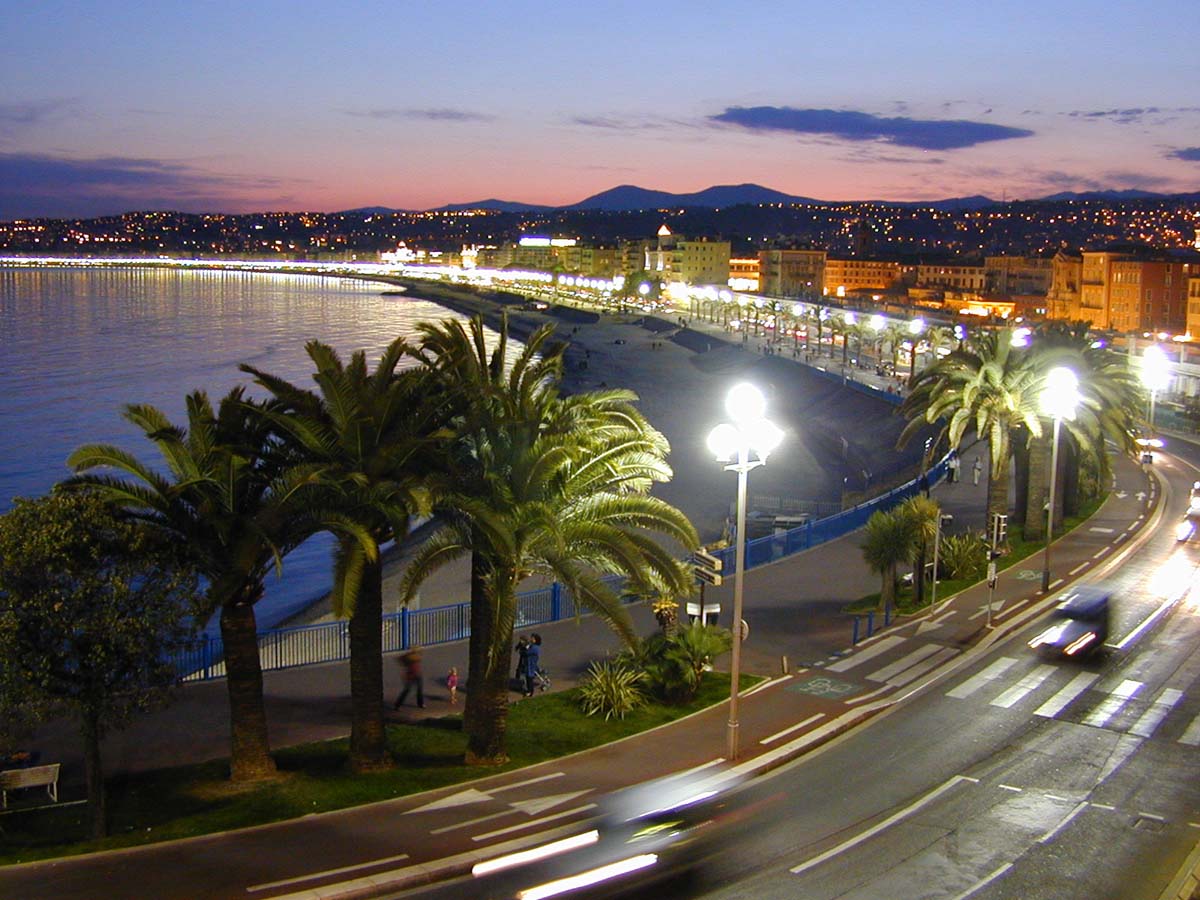
Nice is the centre of the Cote d’Azur and the right choice for anyone who wants the city and the sea at the same time. It has an old quarter in the Italian style, a seven-kilometre seafront promenade and a train that runs the whole coastline. One warning is needed: the beach is not sand but large pebbles. Below I have written a three-day route.
The old town and the Promenade des Anglais
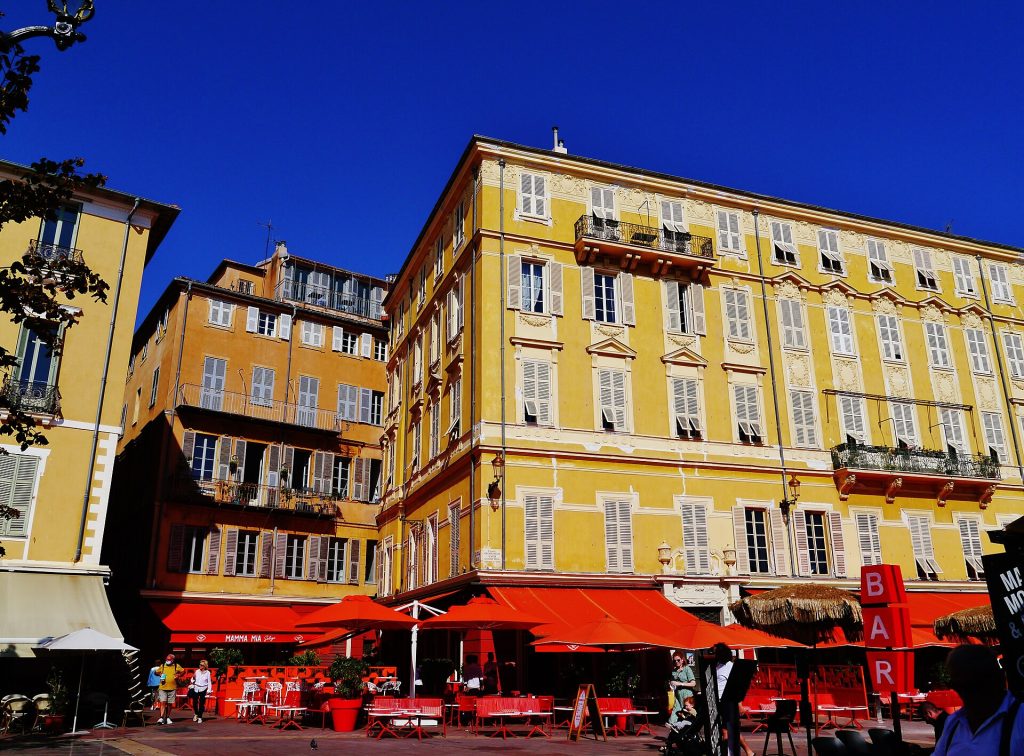
The old town is made of narrow streets and its architecture carries an Italian influence, because Nice belonged to Italy until 1860. At the Cours Saleya market flowers and vegetables are sold in the morning, while on Mondays an antiques fair is held. The flatbread made from chickpea flour called socca is the local snack.
The Promenade des Anglais runs along the shore and is the ideal route to cycle. There is a lift up the castle hill, entry is free, and from the top the bay and the red roofs appear together. Spend sunset there.
The museums and the Cimiez hill
The Matisse museum is on the Cimiez hill; the painter spent the last years of his life in Nice and is buried there. The Chagall museum is in the same district and gathers his large biblical canvases. Cimiez also has the remains of a Roman amphitheatre and an olive grove.
Entry to most of the city’s municipal museums is cheap and a combined ticket option exists. Taking the city tours and day excursions in advance settles the question of availability in the summer months.
From Nice by the coastal train
The coastal railway line connects Nice to the whole Cote d’Azur and the tickets are cheap. Villefranche-sur-Mer is only six minutes away and has the loveliest bay. The village of Eze sits on a rock four hundred metres above the sea. Monaco is twenty-five minutes, Cannes thirty and Menton thirty-five.
That means you can take a hotel in Nice and go to a different town every day. For the villages of Provence, though, you need a car, as public transport works poorly there. For a group, a transfer booked in advance works out well from the airport and for the trips to the villages.
Read more: A France travel guide: Paris, the Cote d’Azur, Provence, the TGV and the ways to protect your budget
Season and budget in Nice
The swimming season runs from June to the end of September. May–June and September are the most balanced months, with 24–28 degrees and thin crowds. July and August are full and expensive. The carnival is held in February, while winter is mild and the city lives all year round.
In summer a three-star hotel is 130–200 euros, and 70–120 outside the season. Options near the station are more practical if you are going to use the coastal train every day. The public beaches are free, and a lounger in the private section is 20–30 euros. Official information is on the Explore Nice site.
In closing
Nice is the most comfortable and best-value base for seeing the Cote d’Azur, because everything is a train ride away. Take water shoes, climb the castle hill at sunset, and choose a hotel near the station. For a visa and a route, fill in the application form.
Note: the prices in this article are those at the time of publication and may change with the season.
