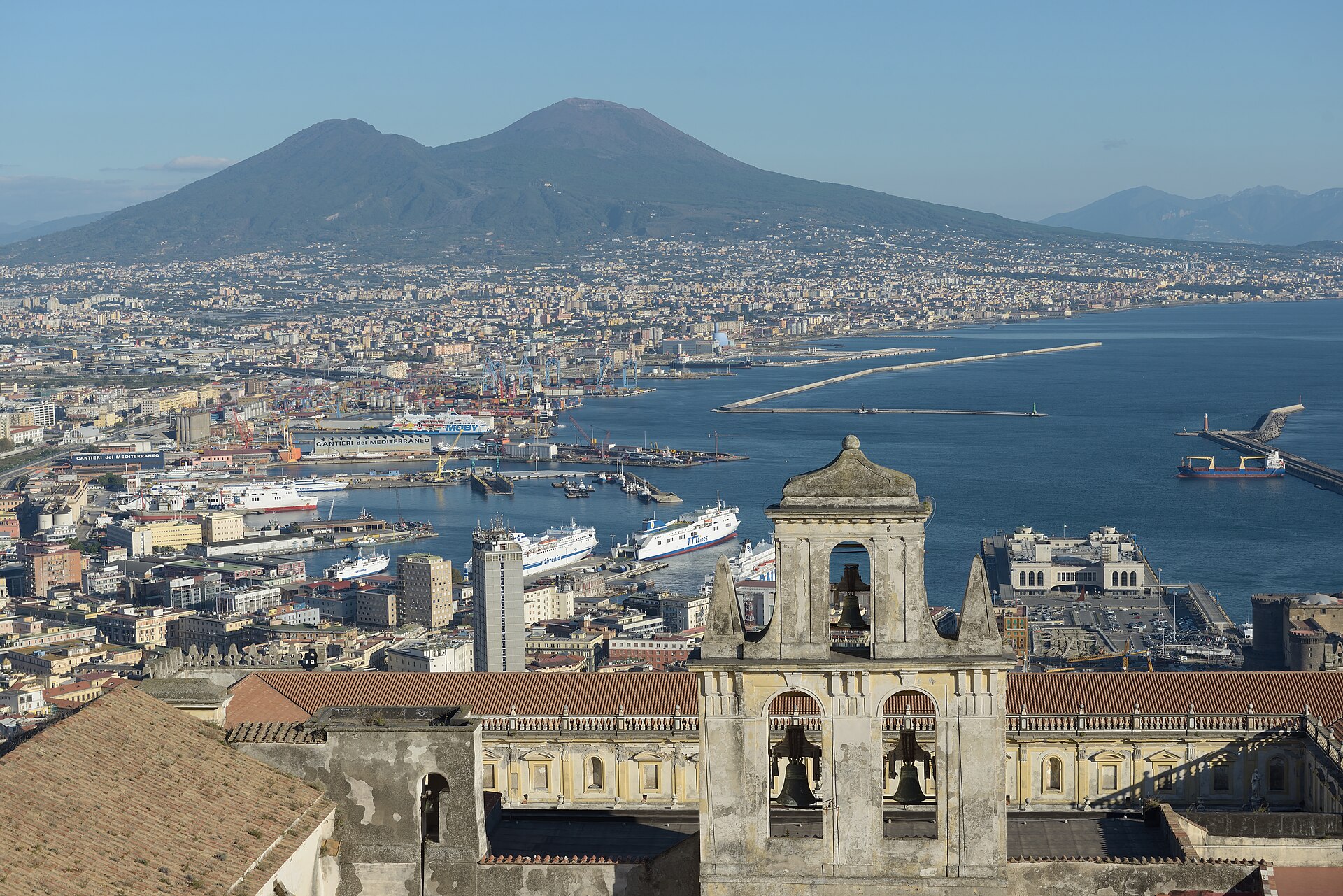
Naples is the noisiest and liveliest city in Italy, and to many people the most delicious as well. The streets here are narrow, motorbikes come through from every direction, and washing is dried between balconies. It takes a day or two to come to love the city, but after that leaving is hard. Below I have written both the city and the routes around it.
The old town and underground Naples
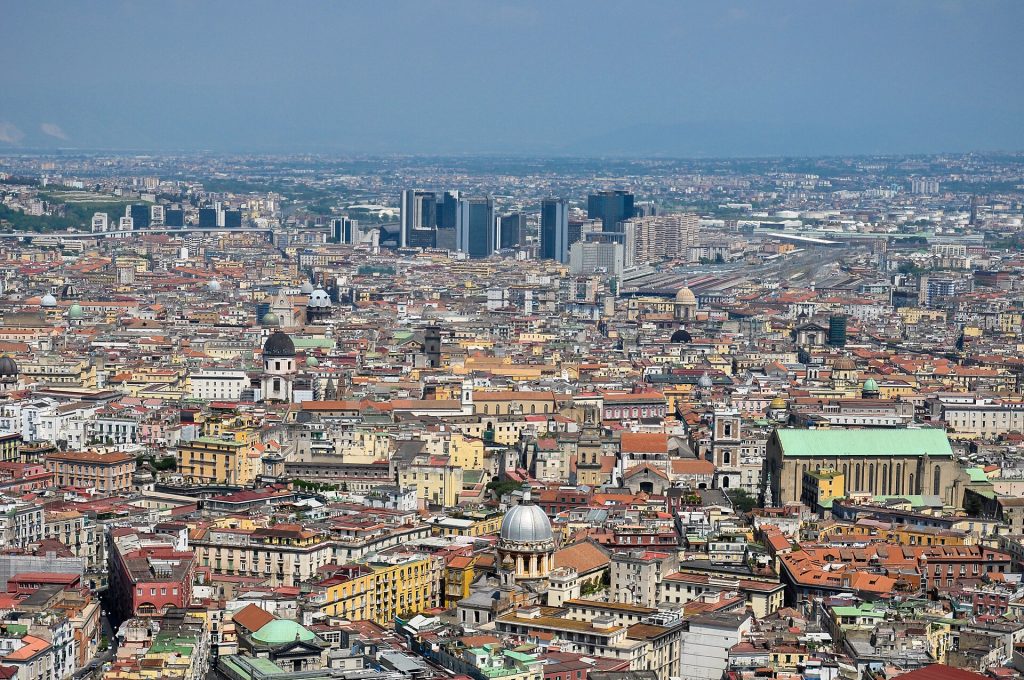
The historic centre is on the UNESCO list, and the straight street called Spaccanapoli cuts it in two. Churches, craft shops and street food line that street. Walk it in the morning; by midday the same place is at an entirely different density.
Beneath the city there are ancient cisterns and tunnels, entered on a guided tour. These cavities, left from the Greek period, were later used as shelters in the Second World War. There are narrow passages, so anyone uneasy in enclosed spaces should bear that in mind.
The museum and the pizza question in Naples
The National Archaeological Museum holds the main part of what was taken out of Pompeii, which means visiting it before going to Pompeii makes sense. The mosaics and wall paintings are preserved exactly here. Set aside at least two hours.
Pizza was born in this city and the way it is made has been recognised by UNESCO as intangible heritage. The classic version is simple: tomato, mozzarella, basil. There are queues at the famous pizzerias, but the quality at an ordinary place in a side street is high too, so waiting an hour is not compulsory.
Pompeii, Vesuvius and Amalfi
Pompeii is half an hour from the city by suburban train and needs at least half a day. Climbing to the crater of Vesuvius is a route of its own: you go up by bus and walk the last stretch. Fitting the two into one day is possible, but it is tiring.
The Amalfi coast and Sorrento are to the south, while a boat goes to the island of Capri from the harbour. In the summer months these directions get very crowded and tickets run out quickly. Taking the Pompeii and Amalfi tours in advance is easier than looking for a ticket on the spot.
Read more: An Italy travel guide: Rome, Florence, Venice, Amalfi and the classic route by high-speed train
Transport, budget and safety in Naples
The airport is close to the city and the bus to the centre takes twenty minutes. The high-speed train from Rome is an hour and ten minutes, so combining the two cities in one trip is easy. Buying Rome–Naples train tickets early brings the price down considerably. The city metro deserves attention for some of its stations in its own right, because they are designed as contemporary art installations.
| Hotel | A three-star in the centre is around 70–120 euros a night |
| Pizza | The classic version 6–10 euros |
| Sfogliatella | The local pastry, with morning coffee |
| Pompeii ticket | Entry separate, the train is cheap |
On safety, the ordinary city rules are enough: keep your bag in front of you, do not hold your phone out in the street for long, and be careful around the station at night. When choosing a hotel, give preference to the districts between the historic centre and the shore, as the area around the station is not quiet at night. There is no direct flight from Baku; you travel via Istanbul or Rome, and it pays to watch flight prices towards Italy in advance. Official information about the city is on Italy’s official tourism portal.
The season in Naples
April–June and September–October are the best time, with 20–27 degrees, and that matters because there is little shade at Pompeii. In July and August the heat passes thirty-five and walking the ruins is heavy going. Winter is mild and rainy, but in return the museums are empty and prices drop. In December the street of nativity-scene craftsmen in the old town is a sight of its own.
In short
Naples is not a tidy city, but it is the most genuine part of Italy, and Pompeii and Amalfi are beside it. See the museum before Pompeii, eat the pizza in a side street, and give Vesuvius a day of its own. If you want to combine southern Italy in one route, you can look at tour programmes for Italy. For a visa and a route, fill in the application form.
Note: prices and train timetables change with the season, so check before you travel.
