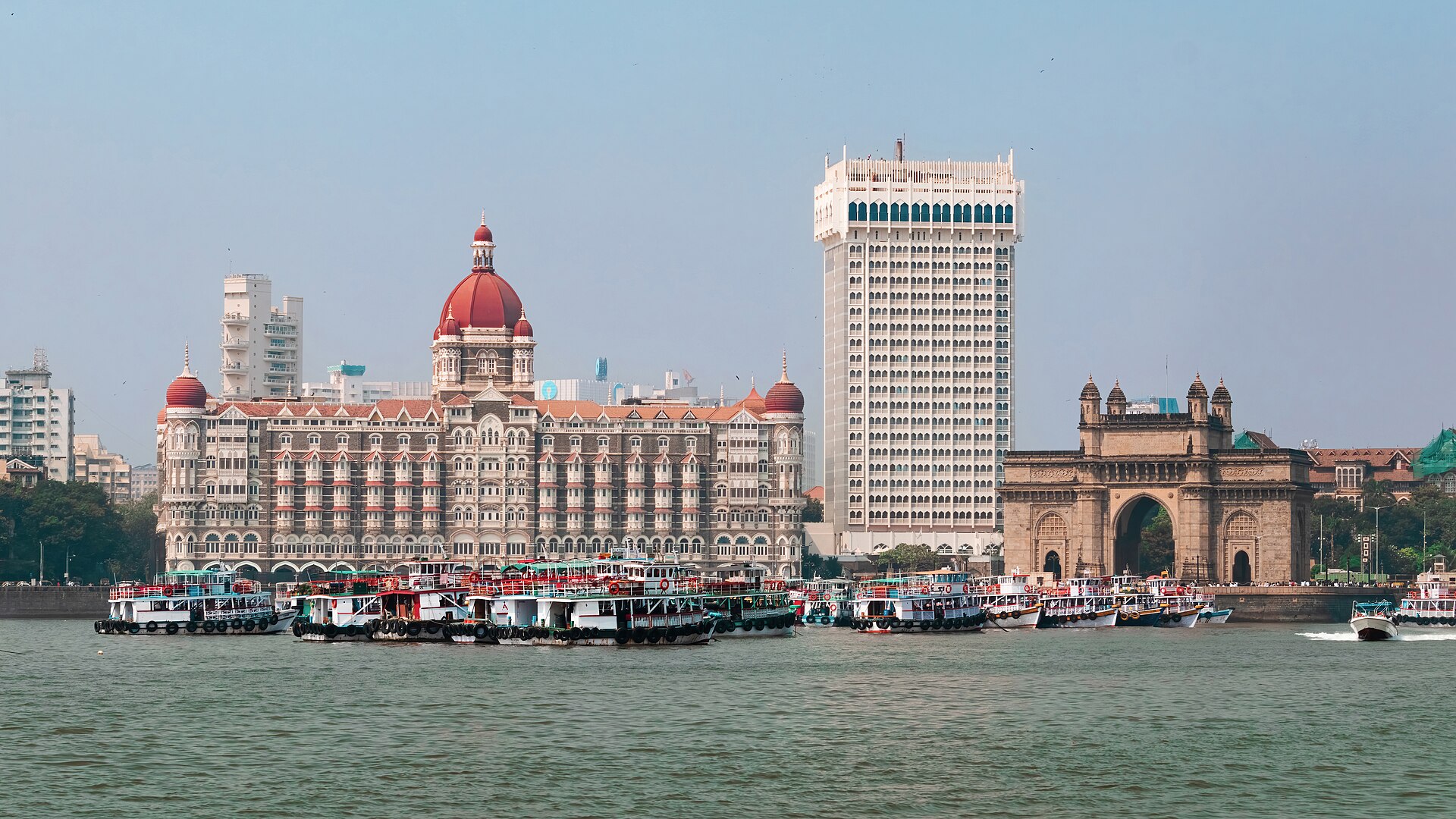
Mumbai is India’s financial centre, the capital of its film industry and the country’s fastest city. Unlike Delhi, there is more energy here than history: a boulevard facing the sea, colonial-era buildings and streets that do not stop at night. The city is a peninsula, so it is long and narrow. Below I have written a three-day route.
The Gateway of India and the colonial centre
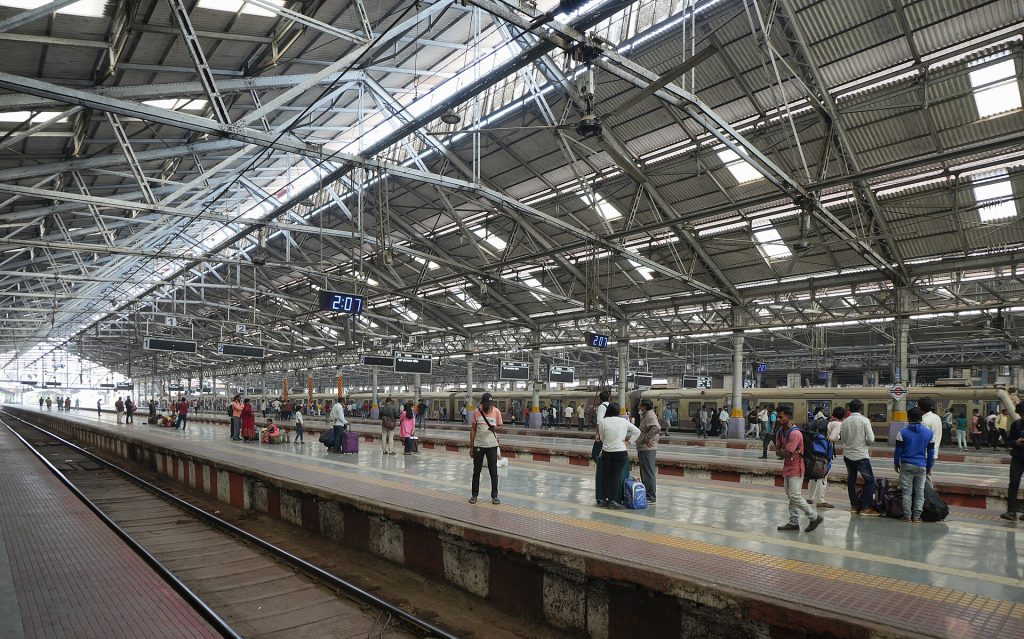
The Gateway of India stands on the shore and is the city’s symbol, with the Taj Mahal Palace hotel in front of it. Chhatrapati Shivaji terminus is on the UNESCO list and, with its gothic architecture, looks more like a cathedral than a railway station. Buildings from the British period have survived in the surrounding Fort district.
Marine Drive is the boulevard running along the shore, and because the night lights line up in an arc they call it the Queen’s Necklace. It is the best place in the city for an evening walk. Chowpatty beach is at the end of it and fills with street food in the evening.
The Elephanta caves and Dhobi Ghat
The boat to Elephanta island takes an hour from the Gateway of India. On the island there are temples carved into the rock, dating from the sixth century and on the UNESCO list. It is closed on Mondays. The boat timetable is suspended during the monsoon season.
Dhobi Ghat is the largest open-air laundry in the world and has been working for over a hundred years; looking at it from the bridge is free. The Haji Ali mosque sits out in the sea and is joined to the shore by a narrow causeway, which goes under water at high tide. The Banganga tank, meanwhile, is the city’s oldest corner and is completely silent.
Transport and food in Mumbai
The local suburban trains are the city’s veins, but the crush at peak hours is unbelievable, and the daytime hours suit a visitor. The metro is new and comfortable. Taxi apps work everywhere. From the airport to the centre can take more than an hour in traffic.
Vada pav is the city’s street classic, while pav bhaji is an evening meal. There are many halal restaurants on Mohammed Ali Road and in the Bandra district, and during Ramadan those streets in particular turn into a night market. Seafood is at its best in the restaurants of the Koli community.
Goa and Ajanta from Mumbai
Goa is an hour by air and ten hours by train and is India’s most famous coastal region. The Ajanta and Ellora cave temples are to the north-east, near the city of Aurangabad, and are known for their frescoes carved into the rock.
Long-distance train tickets run out quickly and the class system is confusing. Comparing the routes in one search helps you choose properly between train, bus and flight.
Season and prices in Mumbai
November to February is the best period, with 20–30 degrees and relatively dry weather. March to May is hot and humid. June to September is the monsoon season; the rain in Mumbai is very heavy and sometimes brings the city to a stop, so avoid those months.
Hotels are more expensive than in Delhi: a three-star is 40–70 dollars and a mid-range international hotel 80–140. A hostel bed starts at 10–20 dollars. Lunch in a restaurant is 4–10 dollars. Official information is on the Maharashtra Tourism site.
In short
Mumbai is not a city of monuments but a city of rhythm, and you understand that walking along Marine Drive in the evening. Give a day to Elephanta, avoid the monsoon, and go to Mohammed Ali Road for halal food. For a visa and a route, fill in the application form.
Note: the prices in this article are those at the time of publication and may change with the season.
