Moldova is one of the countries in Europe that receives the fewest tourists, and precisely because of that it has stayed sincere. Entry is visa-free, there is no language problem, the prices are cheaper than in Baku, and two hundred kilometres of wine cellars stretch out underground.
On top of that there are the monastery carved into the rock at Orheiul Vechi, Soroca fortress, and Tiraspol on the far side of the Dniester where time has stopped. From Baku via Istanbul the journey takes four or five hours. Below I have gathered Chișinău, the wine cellars and Orheiul Vechi, along with the Transnistria rule, the transport, the food, the season and the budget.
Moldova in brief
| Capital | Chișinău |
| Language | Romanian; Russian works everywhere |
| Currency | Leu (MDL), 1 dollar ≈ 18 lei; cards in the city, cash in the villages |
| Visa | 90 days visa-free for citizens of Azerbaijan |
| Best time | May–June and September–October; Wine Day at the start of October |
| Flights | 4–5 hours to Chișinău via Istanbul |
| Daily budget | 40–60 dollars at a mid-range level |
Chișinău and Moldova’s wine cellars
Chișinău is a green, Soviet-planned and quiet capital, and one day is enough. Ștefan cel Mare park and boulevard are the centre of the city. The Nativity cathedral and the Arch of Triumph are nearby. At the central market they sell fruit, cheese and home-made wine. The National History Museum is worth seeing too. Spend the evening in the cafés and wine bars of the Central park. The city is likeable not because it is beautiful but because it is comfortable.
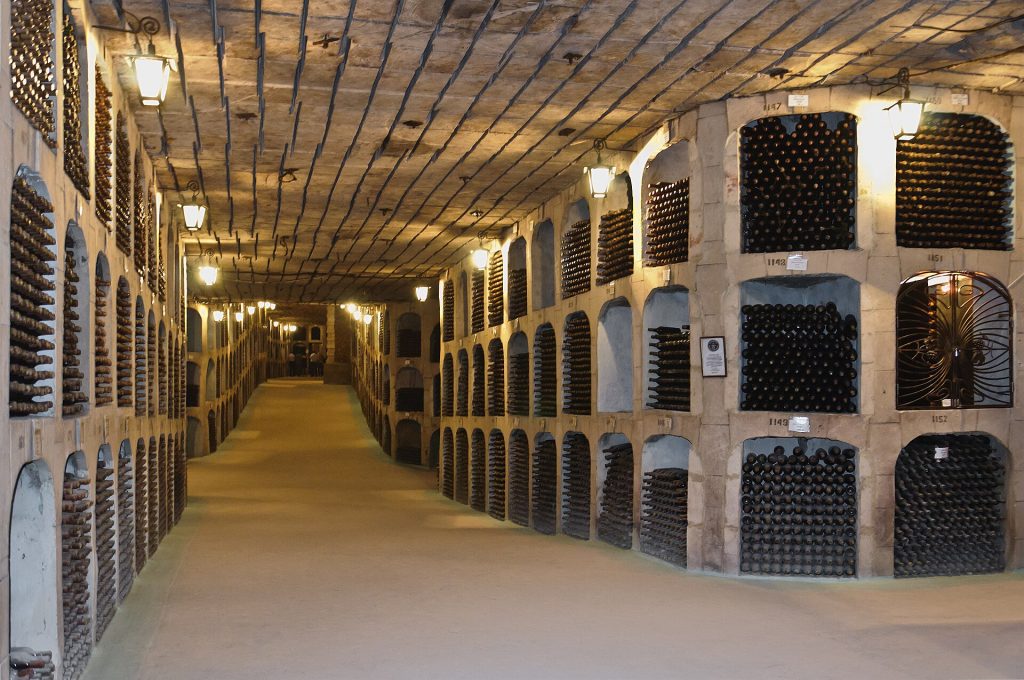
The real attraction is underground. Cricova is fifteen kilometres from the city, and in a hundred and twenty kilometres of tunnels one million three hundred thousand bottles are kept. The tour is by electric car, along the way they show you the Gagarin and Putin collections, and with a tasting the price is 30–50 dollars — book your place in advance.
Mileștii Mici is the world’s largest wine collection and is in the Guinness book of records. There are two million bottles and two hundred kilometres of tunnels, and the underground streets even have names. You enter by your own car or with a tour, and the price is 20–40 dollars.
Purcari in the south is an estate that has supplied wine to the British royal family since 1827, and you can spend the night there too. Castel Mimi is one of the loveliest wine châteaux in Europe and is forty minutes from Chișinău. Asconi and Et Cetera are small family wineries. On the first weekend of October, National Wine Day turns the centre of Chișinău into a festival.
Orheiul Vechi, Soroca and Transnistria: Moldova outside the capital
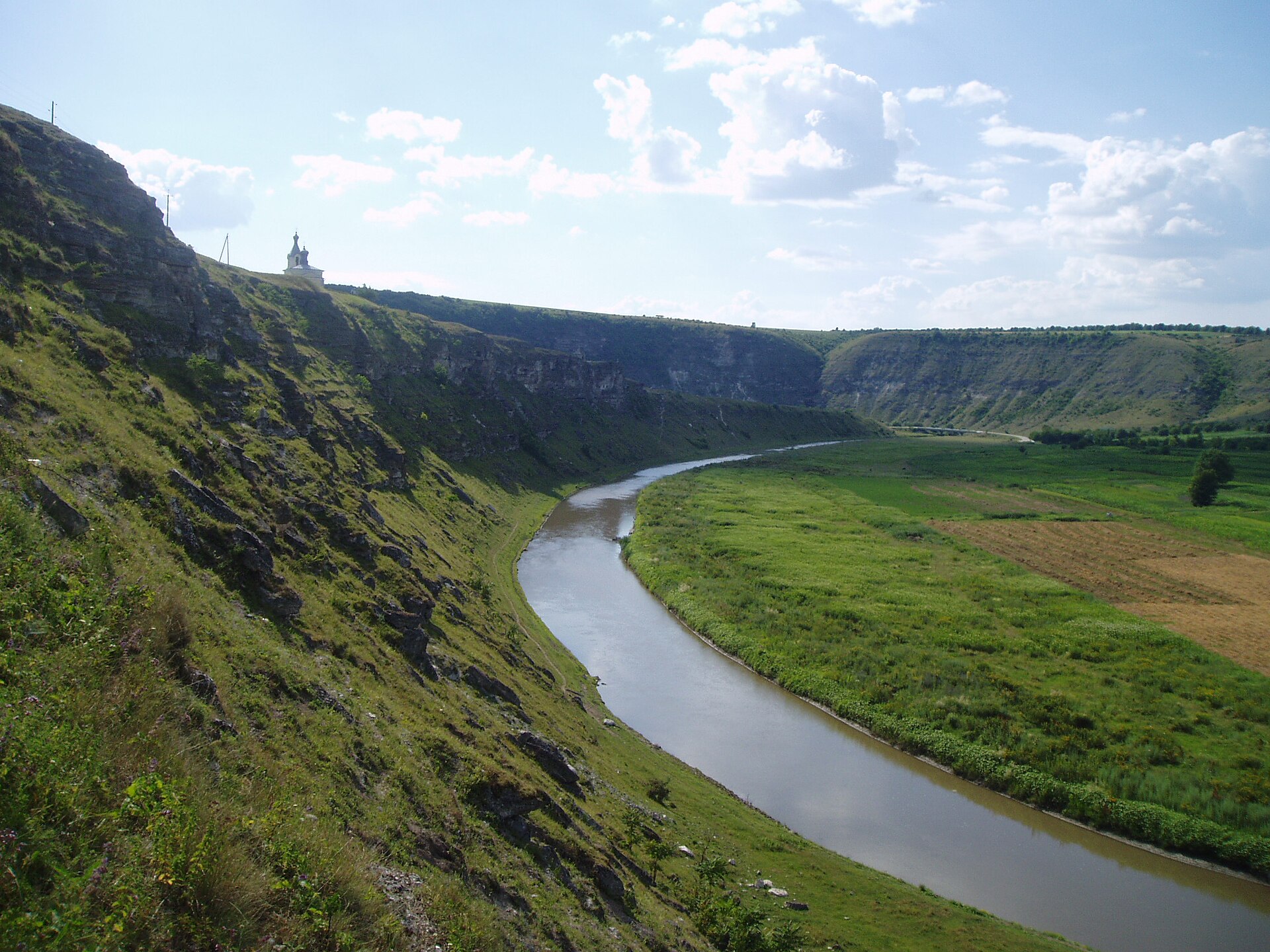
Orheiul Vechi is sixty kilometres from Chișinău. In a bend of the Răut, on top of a limestone cliff, there are the site of an ancient town and a thirteenth-century monastery carved into the rock, where a monk still lives and opens the door himself. In the nearby village of Butuceni traditional guest houses and home cooking await you. It takes half a day, and for me the loveliest view in the country is right there.
Soroca on the bank of the Dniester is known for Ștefan cel Mare’s round fortress and the exotic mansions of the Roma barons; the journey is three hours. Tipova monastery is carved into the rock above the Dniester, and at Saharna there is a waterfall and a monastery. Comrat, the capital of Gagauzia, is the centre of a Turkic-speaking Christian people, and there they speak very much like us.
Transnistria, by its unrecognised name Pridnestrovie, together with Tiraspol is a world of its own. Lenin statues, its own rouble, a Soviet-style square and Bender fortress take you back to 1985 in an instant. The marshrutka from Chișinău takes an hour and a half.
At the «border» the passport is checked and you are given a migration card; be sure to keep it. The return should be the same day, and to stay longer you need registration. The entry rules for citizens of Azerbaijan are in our visa article. The money there works only there, and nobody in Chișinău will take what you have left over.
Transport: marshrutka, trolleybus, Yandex Go
In Chișinău the trolleybus and bus are six lei, while a ride across the city with Yandex Go costs 2–4 dollars. From the airport into the centre a taxi charges 8–10 dollars, while bus number thirty is cheaper.
Intercity marshrutkas go in every direction from the Central and North bus stations. To Orheiul Vechi the Butuceni marshrutka takes an hour and a half and costs two dollars, to Soroca three hours and five dollars, and to Tiraspol an hour and a half and three dollars. The timetable is sparse, so set out in the morning.
For the wine cellars the most comfortable option is a car; hire is 25–40 dollars a day and with a driver 60–80. The reason for choosing a driver is simple: you cannot drive after a tasting, and the police know that well. The roads are of middling quality. A train goes from Chișinău to Iași and Bucharest every day, which opens a Romania route for those with a Schengen visa. FlyOne, Wizz Air and Turkish Airlines fly to Chișinău airport.
Mămăligă, plăcinte, zeamă: Moldovan food
Mămăligă is a maize porridge served with brânză cheese, sour cream and a meat sauce called tochitură, and that is the national dish. Plăcinte are thin pies filled with cheese, potato or sour cherry and are sold for a dollar at every street kiosk. Zeamă is a chicken soup with noodles, sarmale are stuffed rolls and mititei sausages. This is a Balkan-Romanian table close to our own cooking, and when you see the dolma you feel at home.
Wine is everywhere and cheap. Fetească Neagră and Rara Neagră are the local varieties, divin brandy is a subject of its own, and in the villages a litre of home-made wine comes to 2–3 dollars.
The La Plăcinte chain is the most convenient option for traditional food, where lunch is 5–8 dollars, while dinner in a restaurant is 12–20; Chișinău is one of Europe’s cheapest capitals anyway. Halal food here is limited to Turkish and Arab restaurants, while mămăligă and plăcinte themselves are meatless. Tap water is drunk in the city; in the villages buy bottled.
Read next: Do you need a visa for Moldova? 90 days visa-free, the Transnistria rule and the wine cellars
Season and weather
May-June passes green and full of blossom, with the weather at 20–26 degrees. September-October means the grape harvest, the wine festival and a golden autumn, and that is the best time of the year.
In July-August the temperature rises to 30–35 degrees and everything gets dry and dusty, but Orheiul Vechi stays lovely in summer too. In winter the weather is minus 5–10 degrees, grey and quiet. The cellars are at twelve degrees all year and work in winter as well, so take your jacket inside too.
National Wine Day is held on the first weekend of October in Chișinău’s National Assembly square with more than a hundred wineries taking part, and the hotels fill that week. Winery and event information is on the Moldova Travel portal.
Budget and tickets
In Chișinău a three-star hotel is 35–60 dollars and a four-star 60–100. A village guest house in Butuceni with food is 30–50 dollars, and a night at the Purcari estate 100–150. A hostel bed is 12–20 dollars and there are options in the centre.
The tours are cheap. Cricova charges 35 dollars and Mileștii Mici 25, Orheiul Vechi is three dollars and Soroca fortress only two. Getting to the wine cellars without a car is difficult, so many choose a day tour leaving from Chișinău. Excluding the flight, a five-day trip fits into 300–500 dollars per person, and that is the cheapest trip in Europe.
Turkish Airlines and Pegasus fly to Chișinău via Istanbul, and a ticket to Chișinău is between 350 and 500 dollars. For those with a Schengen visa, flying to Bucharest and coming on by train is an alternative too. Moldova wine tour packages fitting Cricova, Orheiul Vechi and Purcari into three days settle the driver and the cellar bookings together, and combining the route with Romania is possible as well.
Frequently asked questions about Moldova
How many days does Moldova need?
One day for Chișinău, one for the two cellars, one for Orheiul Vechi, one for Tiraspol — four or five days in all. With Soroca and Purcari, a week.
Is it safe to go to Tiraspol?
A day tourist trip is usually quiet, but the region is unrecognised and the situation can change. Keep the migration card given on entry, do not photograph military objects, and look at the advice of Azerbaijan’s Foreign Ministry.
What is there for those who do not drink wine?
The cellars themselves are interesting as tunnels and as history, and Orheiul Vechi, Soroca and the Dniester bank are a complete trip without wine. The village guest houses and the food are a reason of their own.
In closing
Moldova is visa-free, very cheap and a Europe without tourists, and the underground wine cities and Orheiul Vechi make this trip unforgettable. The entry rules and the Transnistria question are gathered on the Moldova page, and to build the wine route together, fill in the application form.
Note: the prices here are as of the publication date and can change with the season.
