The language you hear in the street in Miami is often not English. More than half the city is a Spanish-speaking community, and that makes Miami entirely different from the rest of America. Here the rhythm of Latin America, art deco architecture and the ocean are all in one place. Below I have written a four-day route and which district to choose.
Miami Beach and the art deco district
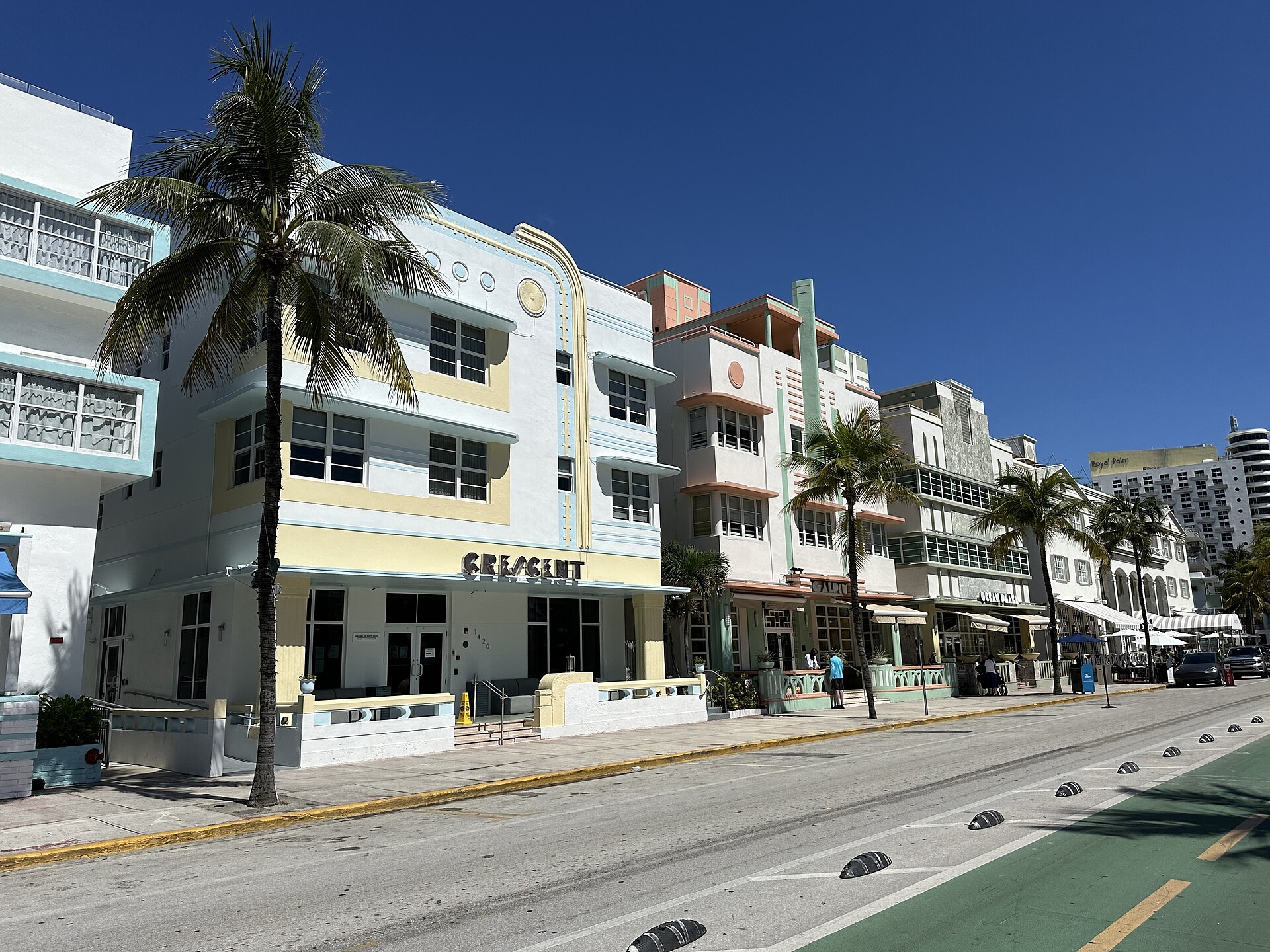
Miami Beach is really a separate city, joined by a bridge. More than eighty art deco buildings are lined up along Ocean Drive, all left from the thirties and painted in pastel colours. In the evening, when the neon comes on, the street looks entirely different.
South Beach is wide and white-sanded; a lounger is paid for while access to the shore is free. Lincoln Road is a pedestrian street. In the restaurants on Ocean Drive an automatic eighteen per cent service charge is added to the menu price — check the bill, because many tourists then add a tip on top.
Little Havana, Wynwood and the city
Little Havana is the centre of the Cuban community, and Calle Ocho has coffee windows, cigar workshops and a domino park. On Thursdays there is a street party there. Drinking Cuban coffee standing up from a small cup is the local custom.
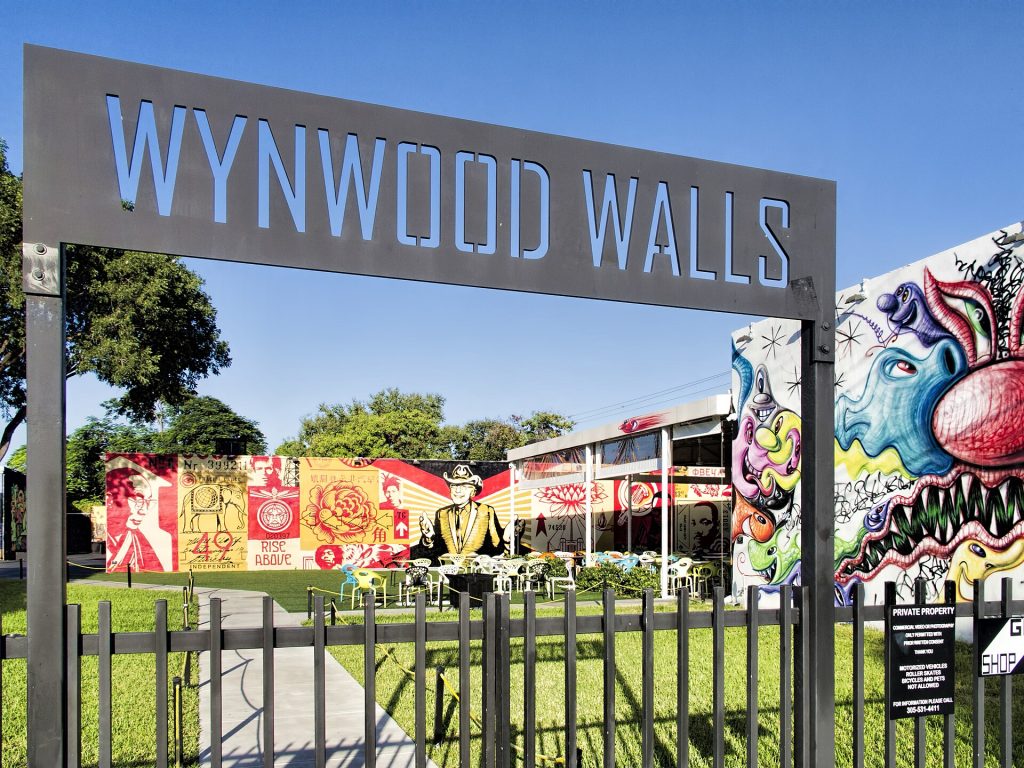
Wynwood is a former warehouse district and now holds one of the densest collections of murals in the world; walking around is free. The Design District is nearby. Coral Gables and Coconut Grove are green, quiet districts.
The Everglades and Key West
Everglades national park is an hour to the west and offers airboat rides through the swamp, where you see alligators in their natural setting. In the dry season, in the December–April months, the animals are more visible.
The Florida Keys stretch away to the south and it takes four hours to reach Key West. The road crosses forty-two bridges, some of them directly over the ocean, and it is one of the most famous drives in America. Taking the tours and ticket packages in advance matters in the winter season.
Read more: A United States travel guide: which city to start from, transport, budget and the unwritten rules
Transport and prices in Miami
Public transport is weak; the free elevated train called the Metromover works only in the city centre. There is a bus between Miami Beach and downtown, but it is slow. A car or a taxi app is more practical, while hotel parking can cost 30–50 dollars a day.
On the shore a three-star hotel is 180–300 dollars in winter and 100–180 in summer. The options downtown and in the Brickell district are cheaper than the shore. Lunch in a Cuban restaurant is 12–20 dollars. Official information is on the Miami and Beaches site.
The season in Miami
December to April is the best period, with 22–28 degrees and dry weather, but it is also the most expensive season. May to October is hot, very humid and wet. From June to November it is hurricane season, September being the riskiest month — check your travel insurance.
Conclusion
Miami is the easiest way to experience the rhythm of Latin America inside America, and four days is enough for it. Choose the district by your route, check the service charge on the bill, and give one day to the Everglades. For a visa and a route, fill in the application form.
Note: the prices in this article are those at the time of publication and may change with the season.
