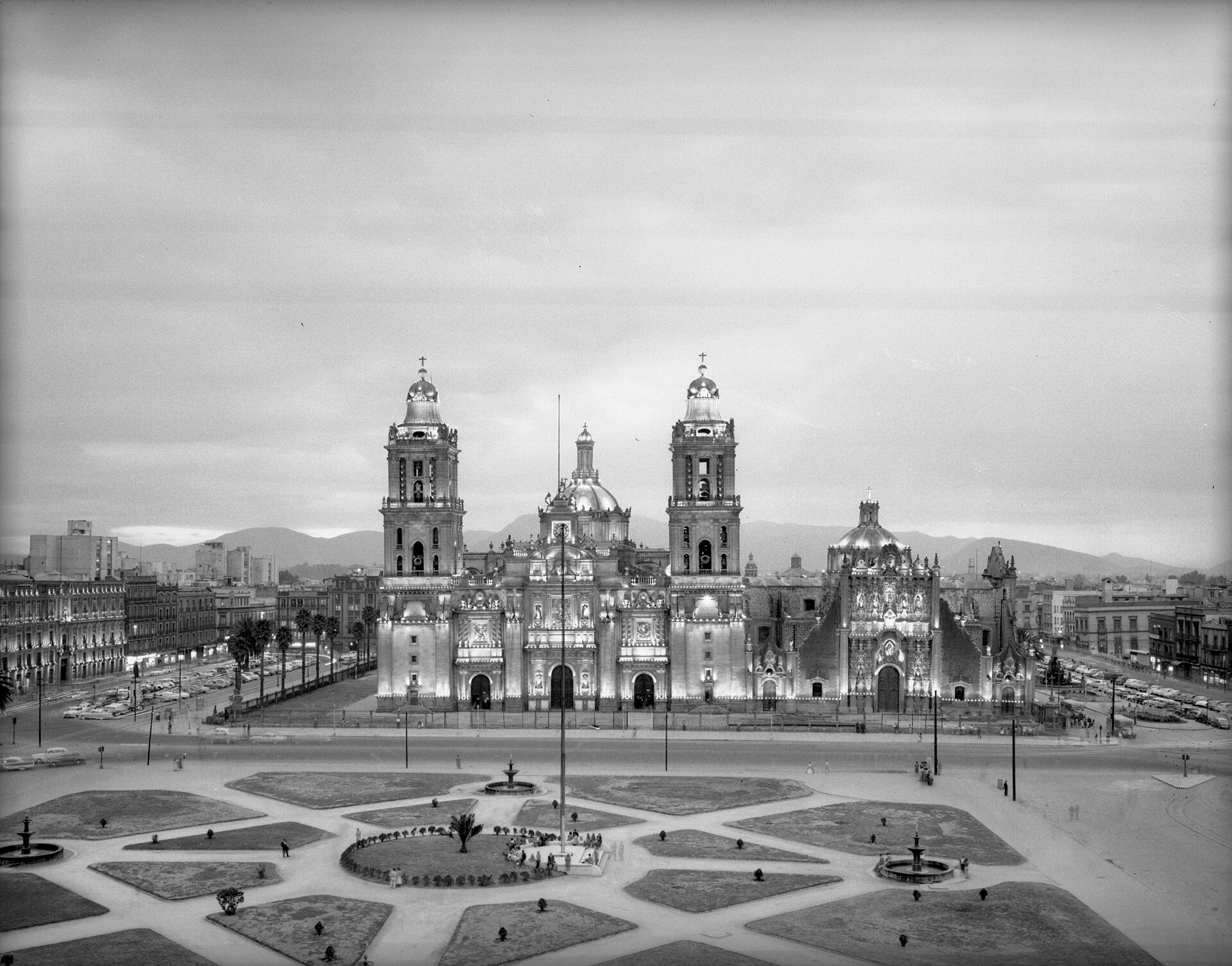
Mexico City is built on a lake bed and sinks a few centimetres every year; some of the older buildings lean visibly. With more than twenty million people it is the largest city on the continent, yet the part a visitor walks is compact. An Aztec pyramid, a colonial square and a contemporary gallery all fit into a single day here. Below I have written a four-day route.
The Zócalo, Templo Mayor and the centre
The Zócalo is one of the largest squares in the world, with the cathedral on one side and the National Palace on the other. Inside the palace, Diego Rivera’s frescoes tell the history of Mexico on a single wall; entry is with your passport and free of charge.
Templo Mayor is right beside that square — the main temple of the Aztec capital, found by accident in 1978, because the Spanish built their city on top of it. The Palacio de Bellas Artes is built of marble, and the café in the Sears building next door gives you the best shot of it.
The Anthropology Museum and Coyoacán
The National Museum of Anthropology is counted among the best archaeological museums in the world; the Aztec calendar stone and the Maya collection are kept there. Set aside three hours at the very least. The museum is in Chapultepec park, the city’s lungs, which has a castle inside it too.
Coyoacán, in the south, is a neighbourhood that has kept the character of an old village. Frida Kahlo’s Blue House is there and is now a museum; tickets are online only and have to be bought days ahead. Colourful boats move along the canals of Xochimilco, where families picnic on Sundays.
The pyramids of Teotihuacán
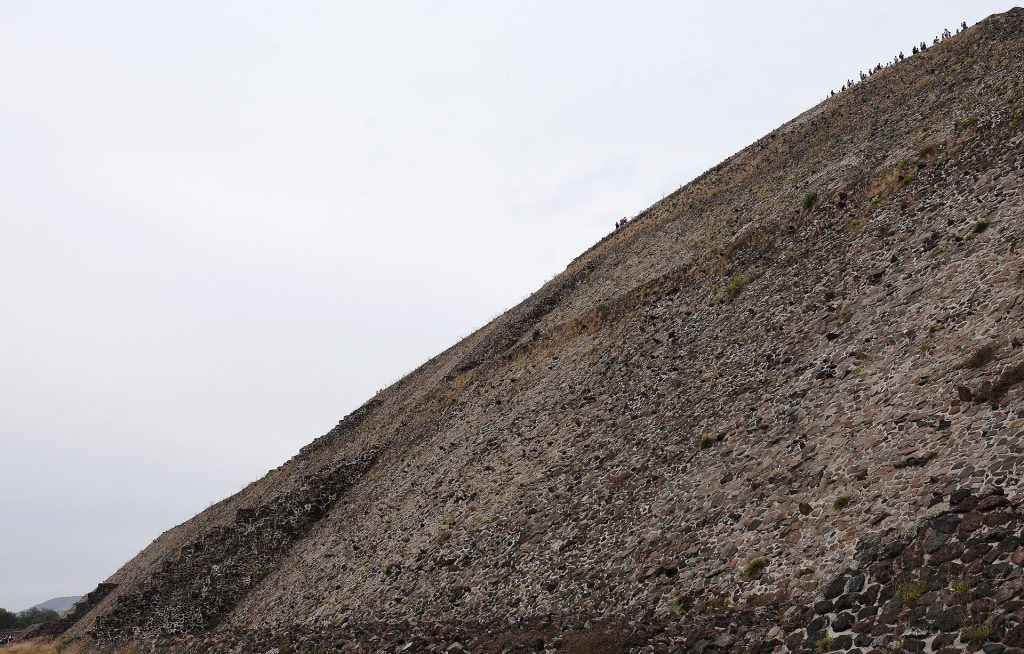
Teotihuacán is an hour north of the city, and the Pyramids of the Sun and the Moon stand there. This city was founded a thousand years before the Aztecs, and who built it is still not known for certain. The Avenue of the Dead is two kilometres long.
Go at opening time in the morning: by midday there is no shade, and the altitude is over two thousand metres, so you run out of breath quickly. The early-morning balloon flights are held over the same area. Taking the tours in advance settles the transport and the ticket in one go.
Food, safety and prices in Mexico City
Mexican cooking is on the UNESCO heritage list. Tacos are sold on the street for a few dollars, and the best ones are at the stands with a queue. Drink only bottled water. Taste the hot sauces sparingly at first, because they are strong.
The tourist districts are fine by day; at night use a taxi app rather than hailing one on the street. Roma and Condesa are the most comfortable places to stay — look at the options there. A three-star hotel is 50–90 dollars and lunch in a restaurant 8–15. Official information is on the site of the Mexican Secretariat of Tourism.
The season in Mexico City
The city sits at two thousand two hundred metres, so it is not hot — it stays at 20–25 degrees all year. November to April is the dry season and the best time. May to October is the rainy season, and the rain usually comes in the afternoon. The Day of the Dead falls at the beginning of November, the city is decorated, and that is the most interesting time of the year.
In short
Mexico City is an unexpectedly rich and cheap capital, and four days is the minimum for it. Give the Anthropology Museum half a day, go to Teotihuacán in the morning, and buy the Frida museum ticket in advance. For a visa and a route, fill in the application form.
Note: the prices in this article are those at the time of publication and may change with the season.
