Melbourne is constantly compared with Sydney, and the difference is this: in Sydney you look at the view, in Melbourne you live in it. There is no famous monument here; instead there are narrow lanes covered in graffiti, world-class coffee and theatre stages working every evening. The city is built for walking. Below I have written a three-day route.
The laneways, coffee and street art
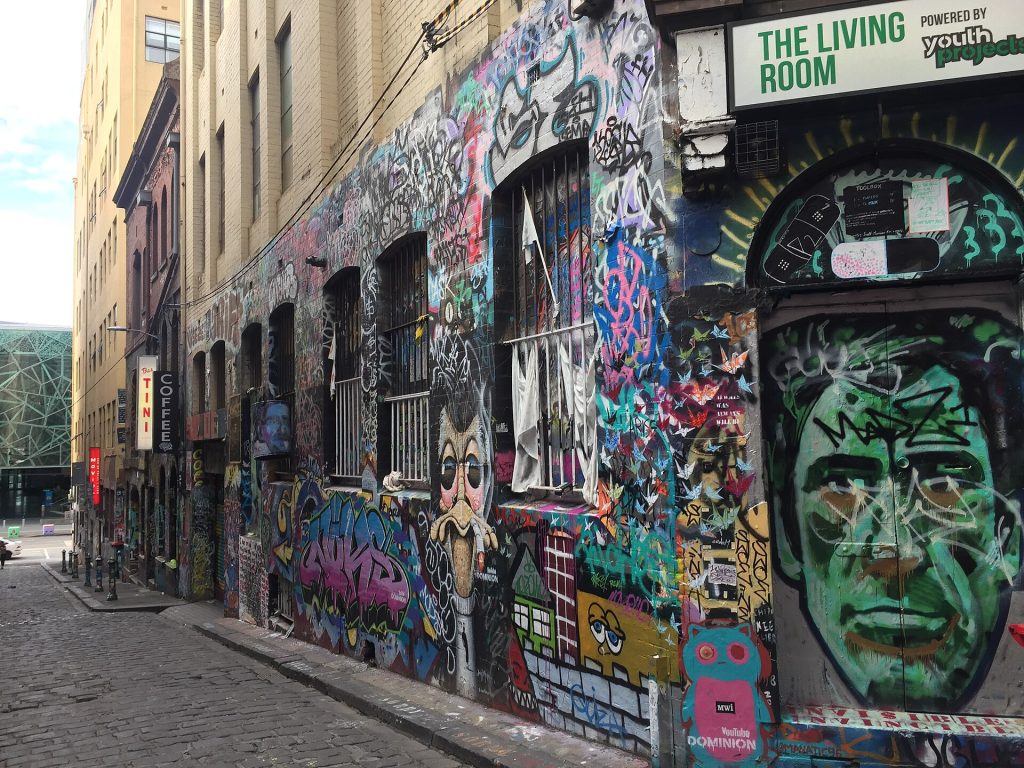
The centre of Melbourne is pierced by narrow passages called laneways, and cafés, small bars and galleries are hidden inside them. Hosier Lane is known for its street art, and the paintings change often. Degraves Street is the densest place for coffee.
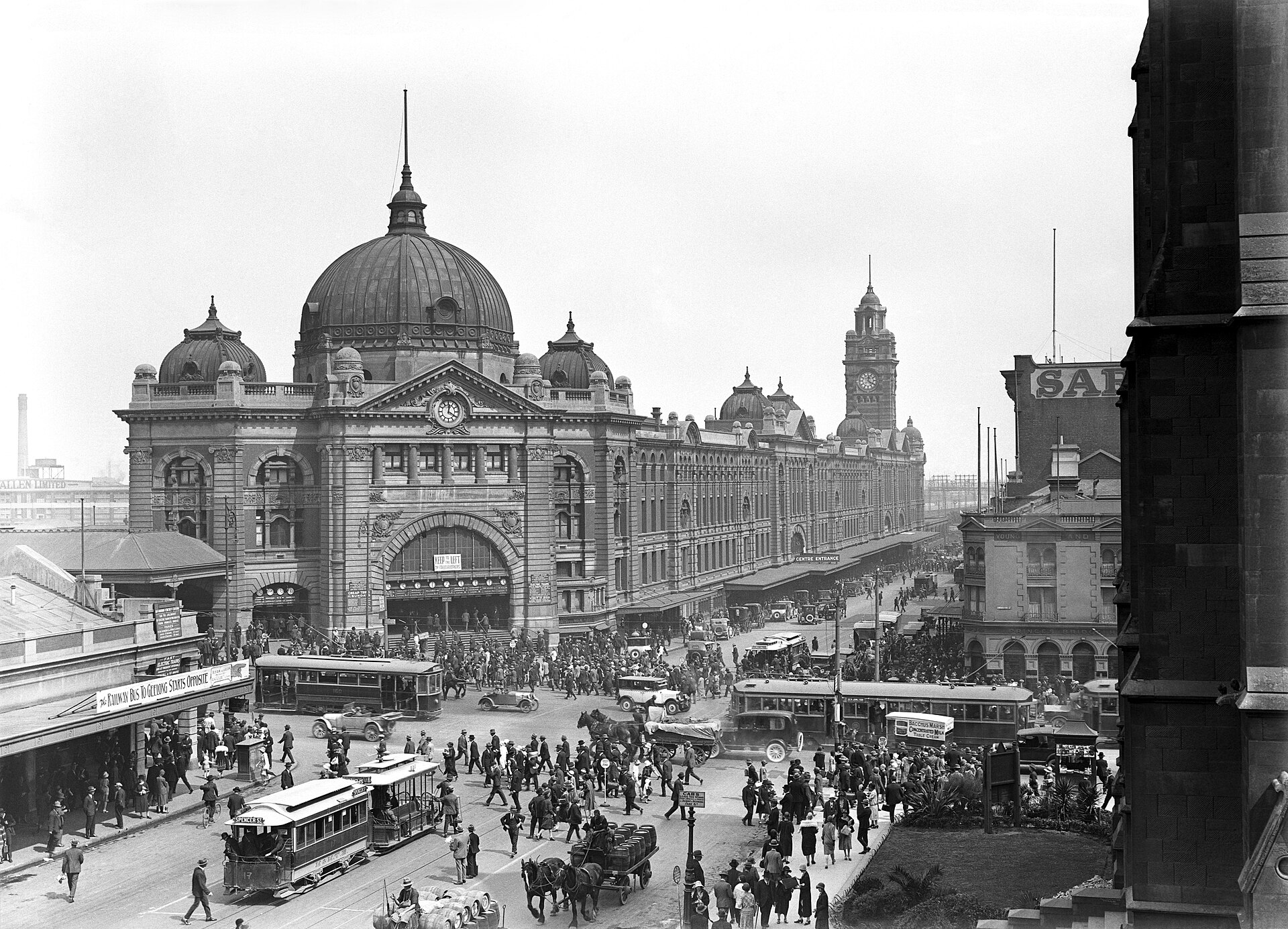
Coffee is a serious subject here, and the city is counted among the centres of coffee culture in the world. Flinders Street station with its yellow facade is the city’s symbol, and Federation Square in front of it is the meeting place. The Queen Victoria Market has been working for a hundred and forty years.
The free tram and the parks
In the city centre the tram is entirely free; the area called the Free Tram Zone covers all the main places. Paying by card is only needed when you leave that zone. Melbourne has the largest tram network in the world.
The Royal Botanic Gardens are on the riverbank and entry is free. The small house inside the Fitzroy Gardens belonged to Captain Cook’s family and was brought over from England. The St Kilda shore is twenty minutes away by tram, and in the evening little penguins come out onto the breakwater there, which is free to watch.
From Melbourne to the Great Ocean Road
The Great Ocean Road is one of the most famous coastal routes in the world and is more than two hundred kilometres long. The limestone stacks called the Twelve Apostles rise out of the ocean and look most striking at sunset. The route needs a day, but splitting it over two is more comfortable.
Phillip Island is known for its penguin parade and is two hours away. The Yarra Valley wine region is an hour. There is no public transport to these routes — you need a car or a tour, so check the options in advance.
Read more: An Australia travel guide: Sydney, Melbourne, the Great Barrier Reef, the distances and the budget
Season and prices in Melbourne
Melbourne is famous for its weather; the locals call it four seasons in one day, and that is not a joke. It can be twenty degrees in the morning and twelve at midday, so dress in layers. March–May and September–November are the best months. The Australian Open tennis is in January and the Formula 1 in March, and hotels fill on those dates.
A three-star hotel is 130–220 Australian dollars, and options inside the free tram zone bring the transport cost down to virtually nothing. Breakfast in a café is 20–28 dollars. Official information is on the Visit Melbourne site.
In short
Melbourne is not a city you walk with a list; it is built for getting lost in the laneways. Stay inside the free tram zone, look at Hosier Lane, and give the Great Ocean Road a day or two. For a visa and a route, fill in the application form.
Note: the prices in this article are those at the time of publication and may change with the season.
