London is an expensive city and there is no point in hiding it. But entry to some of the best museums in the world is free here, and that changes the budget completely. The British Museum, the National Gallery, Tate Modern, the Natural History Museum — all of them are free. The visa is a separate matter, as Britain is outside Schengen. Below I have written the city in four days and with real prices.
London in brief
| Country | The United Kingdom; 9 million people |
| Visa | A British visa; Schengen is not valid; VFS in Baku |
| Currency | Pound sterling; card and phone everywhere, cash barely needed |
| Best time | May–September; December for the Christmas markets |
| Flight | Direct from Baku, 6 hours |
| How many days | Four days minimum |
The classic route: from Westminster to the Tower
Start the first day at Westminster. Parliament and Big Ben, Westminster Abbey opposite, and the London Eye as you cross the bridge. From there you walk along Whitehall to Trafalgar Square and then on to Buckingham Palace. The changing of the guard does not happen every day, so check the schedule.
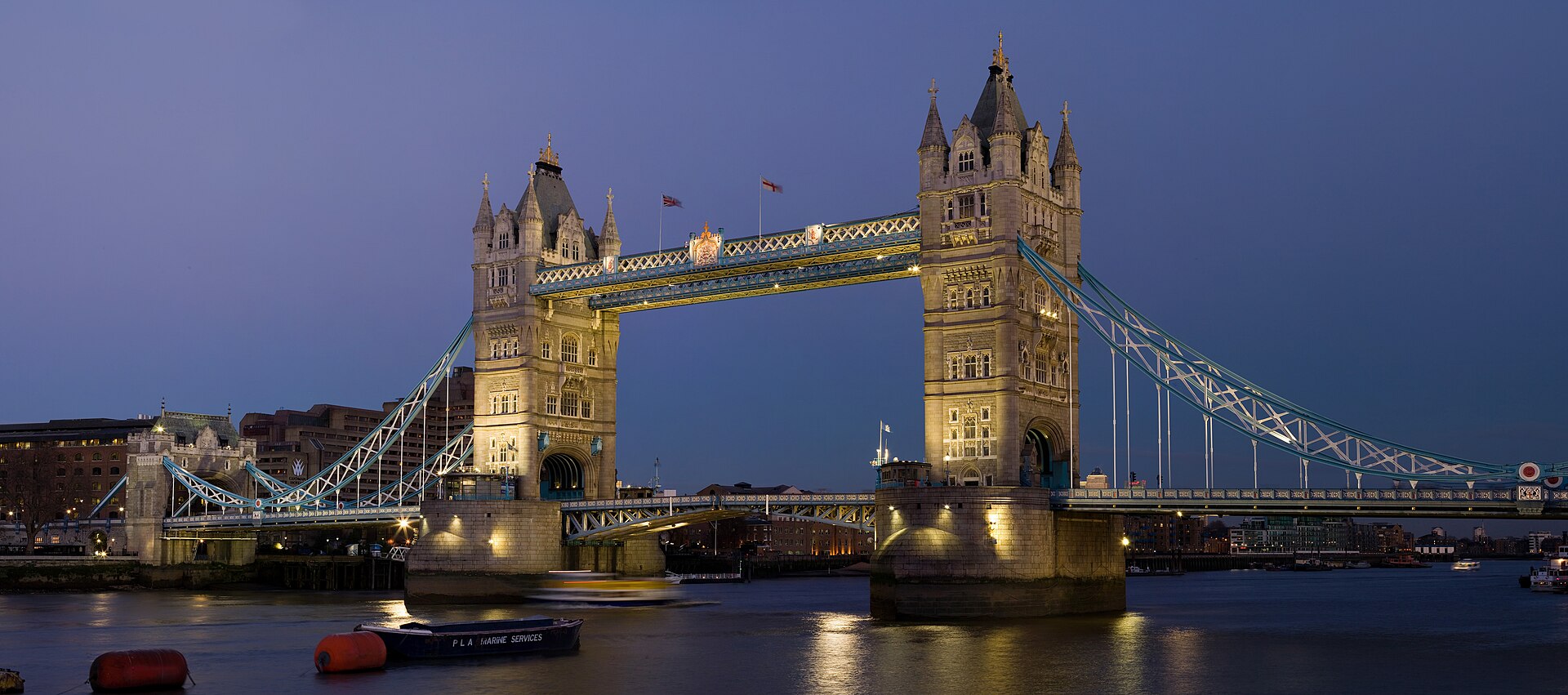
The second day is the east side. The Tower of London and the crown jewels kept there, then Tower Bridge. Borough Market is nearby and is one of the best places for lunch. In the evening walk in Shoreditch or along the Southwark riverside.
The free museums and the parks
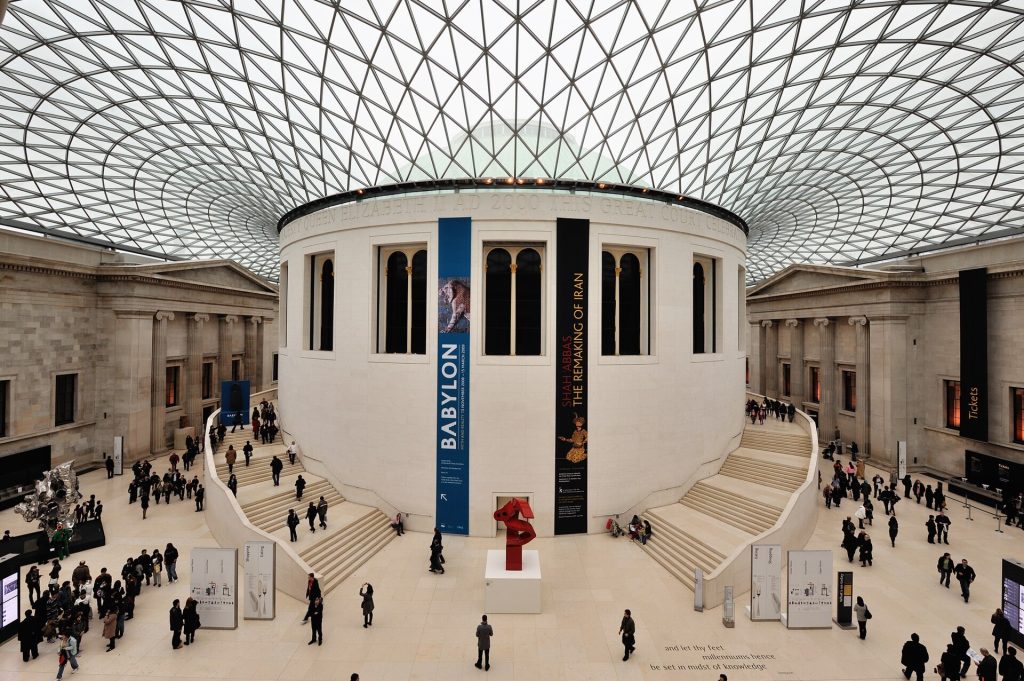
In the British Museum there is the Rosetta Stone and the Egyptian collection; entry is free and the donation is voluntary. The National Gallery is on Trafalgar Square. Tate Modern is in a former power station and is joined by the Millennium Bridge, which looks towards St Paul’s Cathedral. The Natural History Museum is the best choice for children.
The parks are the city’s second face. Hyde Park, Regent’s Park and Greenwich are all free. In Greenwich, standing on the prime meridian and looking at the city from the hill takes half a day, and going there by river boat is more interesting. Of the paid places only the Tower and the London Eye are really worth it, so buy the tickets in advance.
Transport in London: card, tube, bus
You do not need to buy a separate transport card. You touch your ordinary contactless bank card or your phone to the barrier, the system works out the daily cap itself and does not take more money. The metro is called the «tube» here and has eleven lines. The red double-decker buses are cheaper than the tube and you see the city through the window.
From Heathrow to the centre the Elizabeth line is forty minutes and is the most economical option. From Gatwick and Stansted trains and buses run. Intercity train tickets are dynamically priced, and an «advance» ticket bought early comes out three times cheaper; compare the options on one screen. The direct flight from Baku takes six hours, while air ticket prices to London require early planning because of the visa process.
Food and markets
People laugh at English cooking, but London today is among the most varied food cities in the world. A «full English» in the morning lasts you two days on one sitting. Fish and chips is the classic and you find the good kind in pubs. Sunday roast is a Sunday tradition.
The Borough, Camden and Brick Lane markets give both the cheapest and the most interesting food. Brick Lane is at the same time the centre of Indian and Bangladeshi cooking, and halal food is everywhere there and around Edgware Road. Lunch at a market is 8–12 pounds and dinner in a restaurant 25–45.
Read more: A United Kingdom travel guide: London, Edinburgh, the trains, the Oyster card and the budget
Season and budget in London
May–September is the best time, 18–24 degrees, long days and full parks. Rain is possible all year round but is usually short, so a waterproof jacket is more use than an umbrella. In December the city is decorated with lights and the Christmas markets are set up. January and February are grey but cheap.
A three-star hotel in the centre is 130–180 pounds and 90–120 in the second zone. Staying in Zone 2 near a tube station is the cleverest choice, so pick your hotel by the line. The museums are free, the Tower is 35 pounds and the London Eye 30. Excluding the flight, a four-day trip fits into 700–1100 pounds a head.
Transport fares are calculated by zone and are updated every January. You can check the zone map and the daily caps on the Transport for London site.
Frequently asked questions about London
Can you go on a Schengen visa?
No. Britain’s own visa is required and the application is made through the VFS centre in Baku.
Is cash needed?
Barely. Card and phone are accepted everywhere and some places do not take cash at all.
Does it make sense to go to Edinburgh?
Yes, it is four and a half hours by train and gives the feeling of an entirely different country. If you have a week, give two or three days to it.
In short
London is expensive, but thanks to the free museums, the parks and the markets it can be fully explored on a middling budget too. Use your bank card as your transport card, stay in Zone 2, and pick only two of the paid places. If you do not want to arrange the visa and route separately, look at Granit AS’s ready-made tour packages. For the visa process, fill in the application form.
Note: the prices in this article are those at the time of publication and may change with the season.
