Kuala Lumpur is the most comfortable big city in Asia for a Muslim traveller. Halal food is not an exception here but the rule, mosques are everywhere, and at the same time the city is modern and international. Malay, Chinese and Indian culture stand side by side on one street. No visa is required. Below I have written a three-day route.
The Petronas towers and the city centre
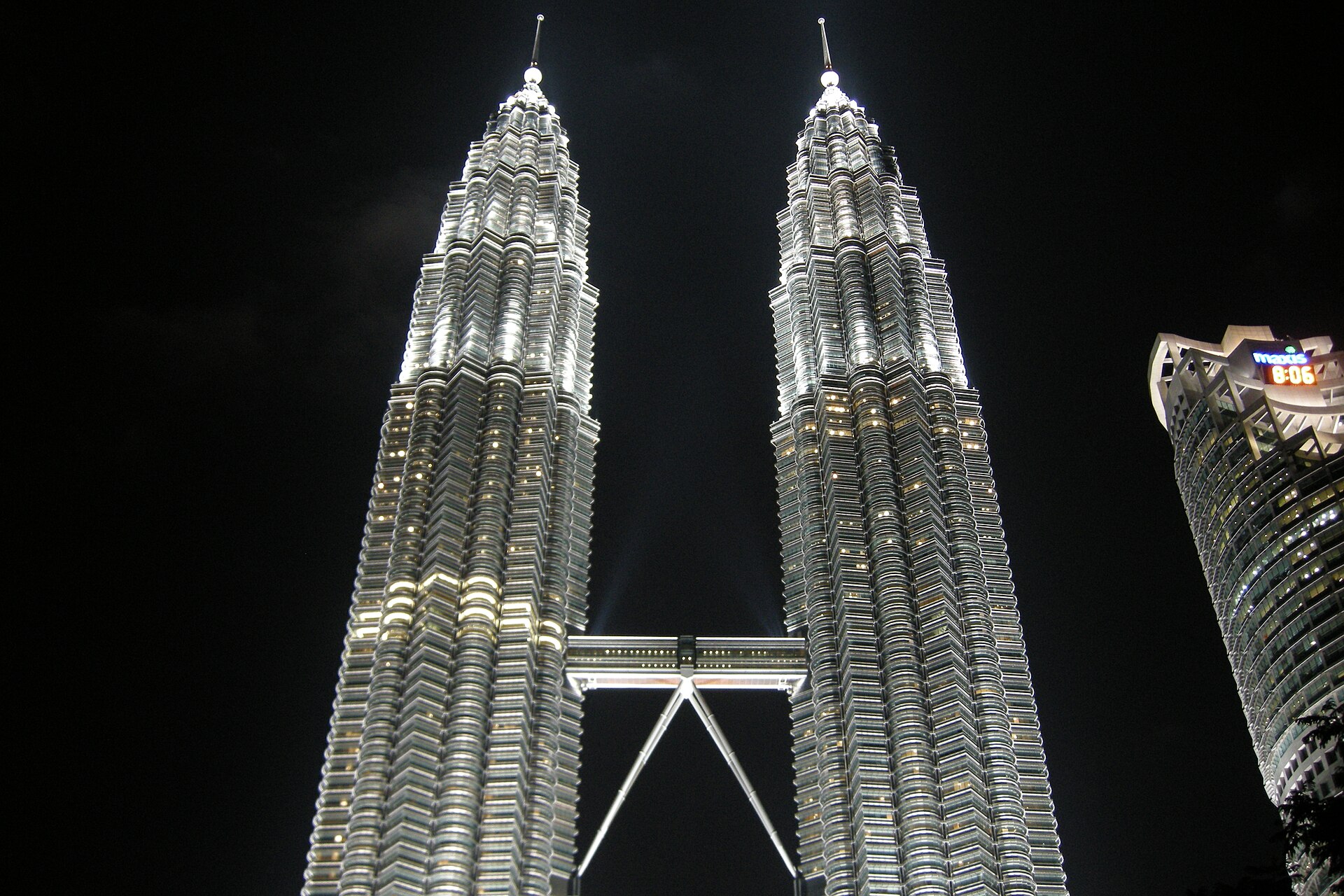
The Petronas twin towers were the tallest building in the world from 1998 to 2004 and are still the tallest twin towers. A ticket is sold for the bridge on the forty-first floor and the deck on the eighty-eighth, and the daily number is limited. The picture taken in the evening lights from the KLCC park below, however, is free.
The Menara tower is lower, but its viewing deck keeps the Petronas in the frame, so some people prefer it. Merdeka square is in the old centre and stands out for the colonial-period buildings around it.
The Batu caves, the mosques and the quarters
The Batu caves are thirty minutes from the city by suburban train; two hundred and seventy-two coloured steps climb up and at the top there is a temple in a limestone cave. Entry is free and a dress code applies. Watch out for the monkeys, because they take whatever is in your hand.
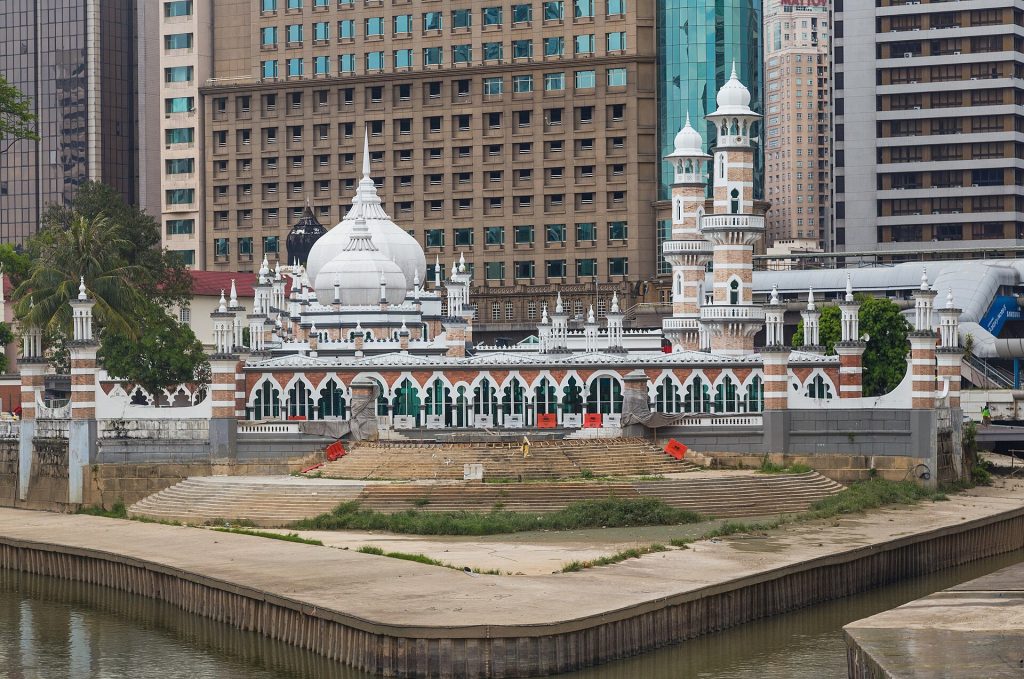
The National Mosque and the blue-domed Jamek mosque are in the centre; certain hours are set aside for non-Muslim visitors and clothing is provided. Bukit Bintang is the shopping and eating district, and Alor street is a food market that opens in the evening. Petaling street in Chinatown is the souvenir market.
Transport and food in Kuala Lumpur
The metro, monorail and suburban train network covers the centre completely and is cheap. The free bus called GOKL runs on four routes in the centre. The express train from the airport to the centre is thirty minutes. The taxi apps are cheap.
Nasi lemak is the national dish and is counted as breakfast. Roti canai is a layered bread with Indian influence. In Malaysia almost all restaurants are halal and the certificate is displayed at the door. The shared halls called food courts are both cheap and give the widest choice.
Read more: A Malaysia travel guide: Kuala Lumpur, Penang, Langkawi, Borneo and a halal Asian holiday
Trips out of Kuala Lumpur
Malacca is two hours by bus, its old town is on the UNESCO list and it keeps the traces of Portugal and Holland. The Genting highlands are an hour away, with cool air and a cable car. Penang island is an hour by air and is known for its street art and its cooking.
Comparing domestic bus and train tickets in one search saves time in Malaysia, because there are many operators. The bus to Singapore takes five hours.
Season and prices in Kuala Lumpur
It is 28–33 degrees all year round and the humidity is high; there is no sharp difference between the seasons. Rain is possible every month and usually lasts an hour or two in the afternoon. May–July and December–February pass relatively dry. In the month of Ramadan the evening markets are especially lively.
A four-star hotel is 40–80 dollars and options with a pool are widespread. Choosing your hotel by the metro station saves you from the traffic. Lunch in a food court is 3–5 dollars and in a restaurant 8–15. Official information is on the Malaysia Travel site.
In one sentence
Kuala Lumpur is the cheapest, most modern and, in terms of halal food, the most comfortable capital in Asia. Photograph the Petronas from the park in the evening, go to the Batu caves in the morning, and give a day to Malacca. For a visa and a route, fill in the application form.
Note: the prices in this article are those at the time of publication and may change with the season.
