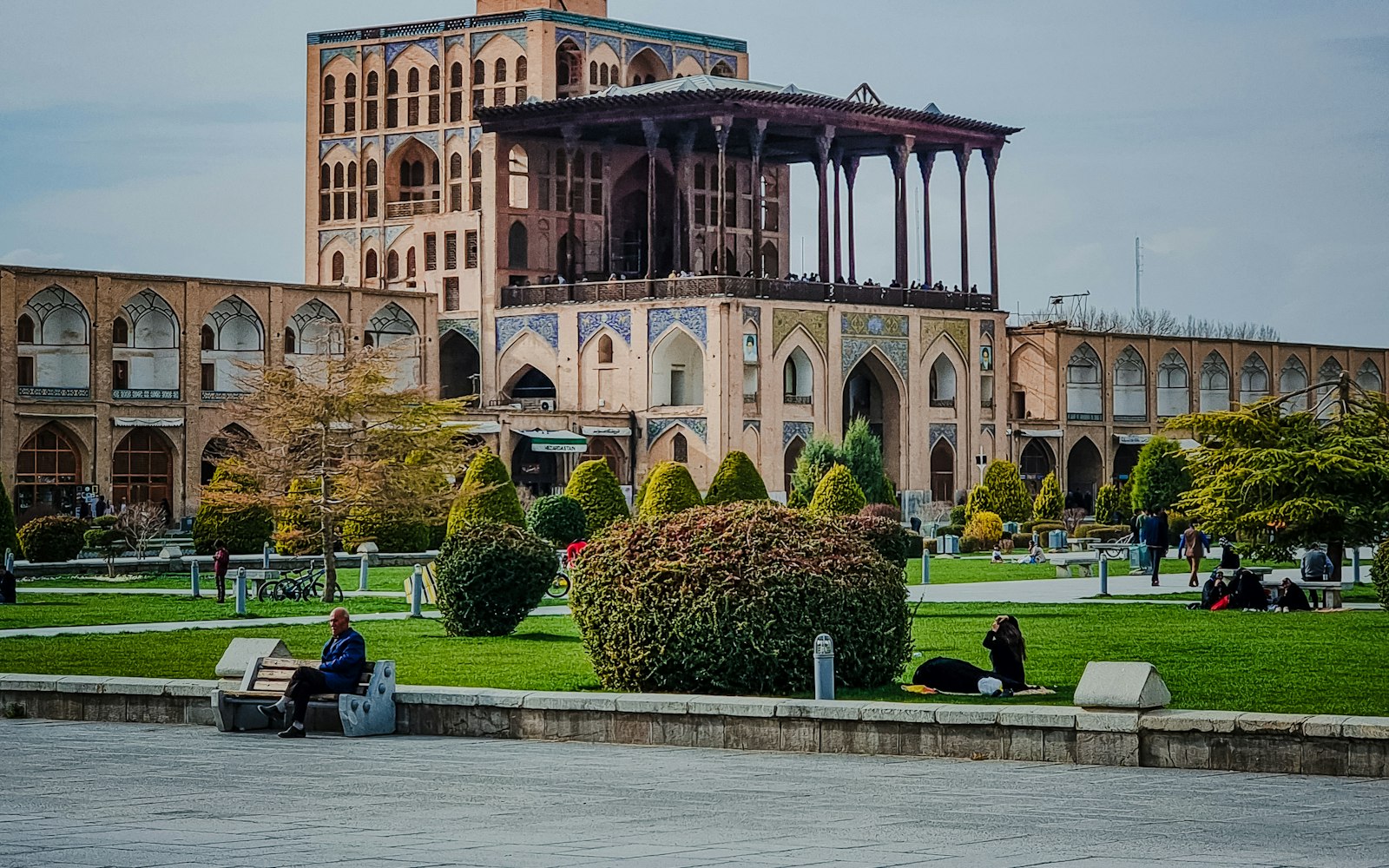
An Iran visa is not required of citizens of Azerbaijan, but the length of stay is only 15 days, one of the shortest among the visa-free countries. That is enough for shopping in Tabriz, a pilgrimage to Mashhad or crossing overland to Nakhchivan; for a longer journey a visa is needed in advance.
In Iran there are more important matters than the visa. Your bank cards will not work, the internet is restricted, there are dress rules for women, and a passport with an Israeli stamp is not let in at all.
In this article we explain the terms of the visa-free regime, the Astara crossing, the flight options and the practical points you should know before going to Iran.
Do you need an Iran visa?
No, not for trips of up to 15 days. Iran applies visa-free entry to citizens of Azerbaijan unilaterally. In the list of the Ministry of Foreign Affairs of Azerbaijan, Iran is marked with 15 days. The period is counted afresh on every entry, but staying in the country for a long time through consecutive exits and entries draws the border officer’s attention. To stay longer than 15 days, to work and to study you need to get a visa in advance from the Iranian embassy in Baku.
| Is a visa required? | No, for up to 15 days |
| Passport | Valid for at least 6 months, with no Israeli stamp |
| Land border | The Astara crossing, 24 hours; the Julfa and Bilasuvar crossings |
| Flights | AZAL Baku–Tehran daily, 1.5 hours |
| Money | Cash only, dollars or euros |
| Insurance | May be asked for, and is sold at the border too |
How do you get from Baku to Iran?
The simplest way is by plane: AZAL flies between Baku and Tehran every day and the journey takes 1.5 hours. Baku–Tehran ticket prices are at the average level for the region and rise at Novruz and in the summer months. To Tabriz, though, many people go overland: the Astara crossing works 24 hours, you can cross on foot or in your own car, and from Astara to Tabriz is a 4–5 hour drive.
For those going overland to Nakhchivan, Iran is the transit country: you enter from Bilasuvar or Astara and come out to Nakhchivan through the Julfa crossing. On this route the 15-day visa-free regime is entirely enough, but if you have to spend a night on Iranian territory, the hotel registers your passport.
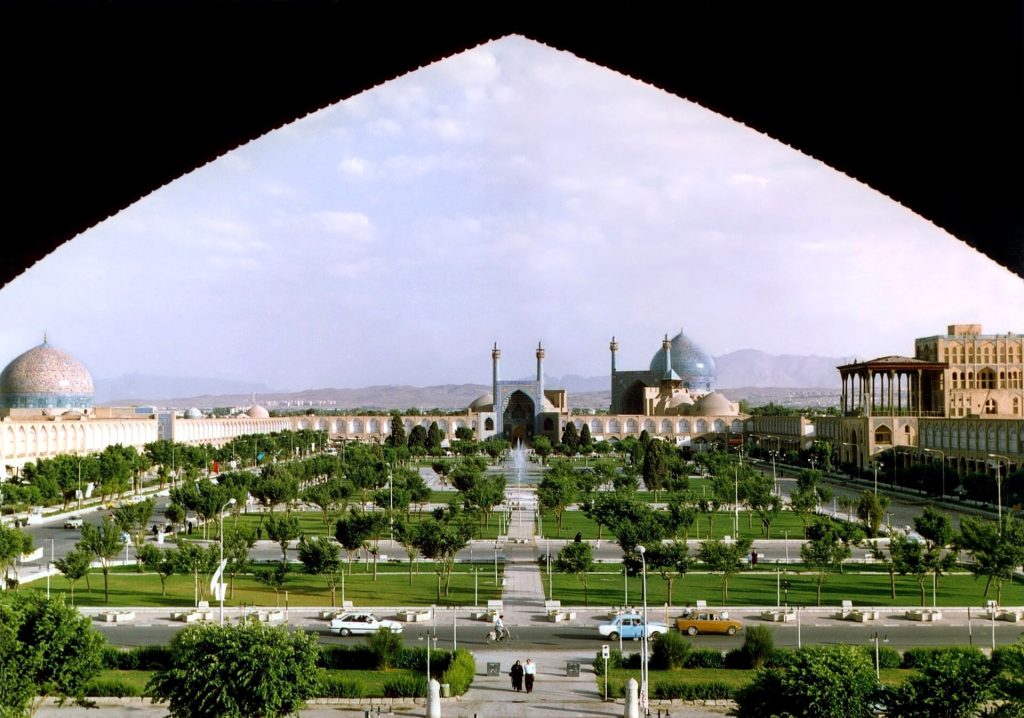
The reasons that close off visa-free entry to Iran
First, Israel. If there is an Israeli visa or stamp in your passport, Iran will not let you in. Israel stopped stamping passports long ago, but an Israeli visa is stuck into the passport and is visible. If you have been to Israel, go to Iran with a new passport.
Second, the passport’s validity: it must be valid for at least 6 months. Third, medical insurance may be asked for at the border; insurance bought in Azerbaijan must state that Iran is covered, otherwise they sell Iranian insurance at the border for a few dollars. The official entry rules can be checked on the page of the Iranian embassy in Baku.
Read next: Do you need a visa for Georgia? A year visa-free, the land border, the train and the Abkhazia rule
Money in Iran: cards do not work
Because of international sanctions Visa and Mastercard do not work in Iran and you cannot take money out of a cash machine. You have to carry your whole budget in cash, in dollars or euros. Dollar notes must be new and clean, as they do not accept old and torn ones. Change money at the official exchange points in Tehran and Tabriz.
There is one confusing thing too: the official currency is the rial, but people quote prices in tomans, and 1 toman is 10 rials. When a seller says «fifty thousand», they usually mean fifty thousand tomans, that is five hundred thousand rials. There are also prepaid local cards intended for tourists; you can buy them at the airport and they are convenient for a few days.
Things to know before the trip
- Dress. In public places women must wear a headscarf and long clothing covering the arms and knees. The attitude to tourists is relaxed, but the rule is in force. For men shorts are not advised.
- Internet. Instagram, WhatsApp, Telegram and many sites are blocked. Install a VPN before you fly, as downloading one in Iran is difficult. Roaming on an Azerbaijani SIM card works.
- Photography. Photographing military, government and religious sites is forbidden and can create serious problems.
- Alcohol. Completely banned, and you cannot bring it in either.
- Language. In Tabriz and Ardabil Azerbaijani is used everywhere; in Tehran Persian is the main language, but there are many Azerbaijanis.
For those going to cities such as Isfahan, Shiraz and Yazd, ready-made Iran tour programmes settle the cash, the transport and the guide together, and the 15-day visa-free period is entirely enough for such tours.
Frequently asked questions about the Iran visa
What if you need to stay in Iran longer than 15 days?
Get a visa in advance from the Iranian embassy in Baku. Extending the visa-free period inside the country is possible, but the process is long and uncertain.
Can you cross into Iran in your own car?
Yes, but a temporary import document and Iranian insurance are drawn up for the car, and that takes time at the border. Someone who is not the owner of the car can cross with a notarised power of attorney.
Are extra documents needed for children?
The child must have their own passport. If they are travelling with one parent, the other parent’s notarised consent may be required when leaving Azerbaijan.
In closing
An Iran visa is not required, but the country has rules of its own: the 15-day limit, the cash question, the dress rules, the internet restrictions and the Israeli stamp. For someone who knows these in advance, Iran is one of the closest and cheapest trips abroad from Baku.
The Viza.az team helps with booking tickets and hotels and, for trips longer than 15 days, with the visa application.
You can read more about Iran as a destination or fill in the application form.
Note: the information here is as of the publication date. The visa-free regime and the entry rules can change, so check the official sources once more before your trip.
