Dublin is not a city of architecture but a city of words. Four Nobel laureates in literature came out of here, the names of the streets appear in novels, and literary walking tours are a serious genre in the city. Ireland is not part of Schengen and requires a separate visa. Below I have written a two- or three-day route and the coastal route.
Trinity College and the Book of Kells
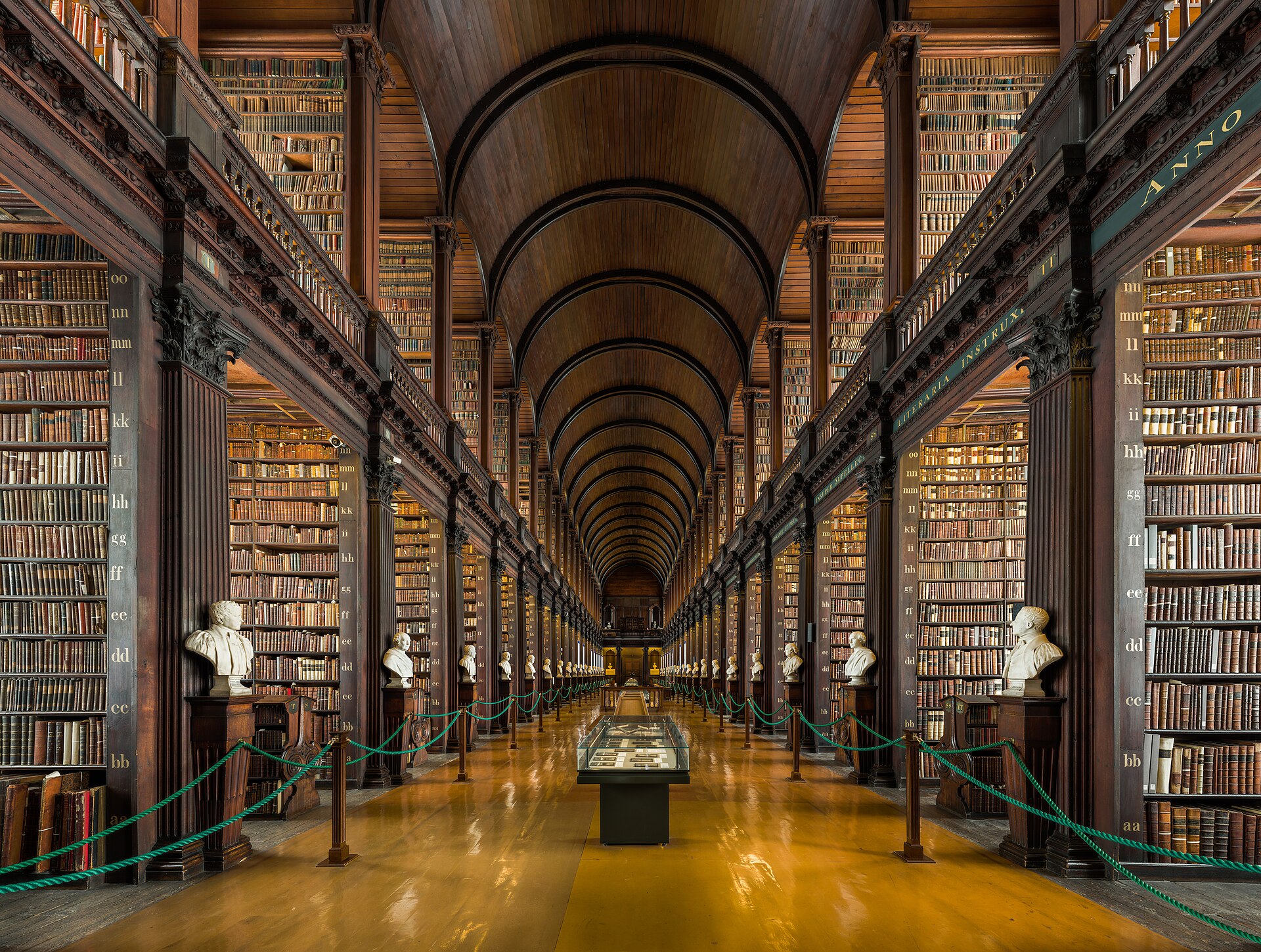
Trinity College was founded in 1592 and its courtyard is in the centre of the city. The library’s Long Room is covered with wooden arches and holds more than two hundred thousand old books. The Book of Kells is displayed there, a manuscript written in the ninth century and decorated with miniatures.
Buy the ticket online and with a time slot, because in summer the queue is long. Entry to the nearby National Museum and the National Gallery, on the other hand, is completely free, and this lightens the budget in Dublin considerably.
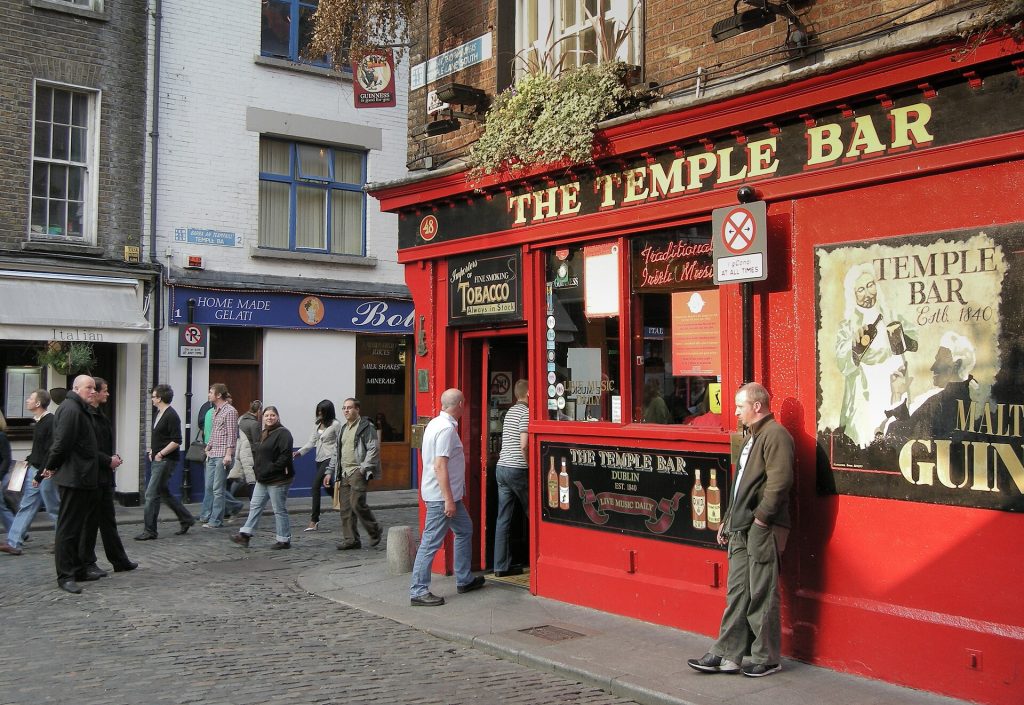
Dublin castle, Temple Bar and the gaol
Dublin castle was the administrative centre of the city for eight hundred years and is now used for official events. Kilmainham gaol, meanwhile, is the most important place for understanding Irish history, because the leaders of the independence movement were held and executed there. The ticket is bought in advance and sells out quickly.
The Temple Bar district is the tourist centre, there is live music, but the prices are the highest in the city. Locals do not drink there. Look once, then move over to the Camden or Stoneybatter side. Taking the tours and museum tickets in advance is important in the summer months.
From Dublin to the coast and the cliffs
The Howth peninsula is thirty minutes away on the city train, and there is a walking path along the cliffs and fish restaurants there. The coastal path between Bray and Greystones takes an hour and a half and its scenery is among the best in the country. Both are cheap and an ordinary ticket is enough.
The Cliffs of Moher are on the west coast and require a full day from Dublin, with the bus tours leaving at six in the morning. The Glendalough valley, though, is only an hour away and combines mountain lakes with the remains of a monastery; for a half-day option there is nothing better.
Read more: An Ireland travel guide: Dublin, the Cliffs of Moher, the Wild Atlantic Way and pub culture
Prices and accommodation in Dublin
Accommodation is the most painful cost here. A three-star hotel in the centre is 140–220 euros and 100–150 in the outer districts. A hostel bed starts from 30–55 euros and the choice in the city is wide. Booking places early is a real saving.
Lunch in a pub costs 14–20 euros, and Irish stew and fish and chips are the classic choices. The Leap card makes payment on public transport cheaper. Buses run from the airport to the centre in thirty minutes. Official information is on the Visit Dublin site.
Season in Dublin
May–September is the best period, the weather is 15–20 degrees and the days pass long. Rain is expected all year round but is short-lived. On the seventeenth of March Saint Patrick’s day is held, the city fills up and prices rise. Winter is mild and rarely drops below zero.
Conclusion
Dublin is expensive, but in exchange its museums are free and the coastal routes are a city-train ride away. Buy the Trinity ticket in advance, do not eat in Temple Bar, and give a day to Glendalough or Howth. For a visa and a route, fill in the application form.
Note: the prices in this article are those at the time of publication and may change with the season.
