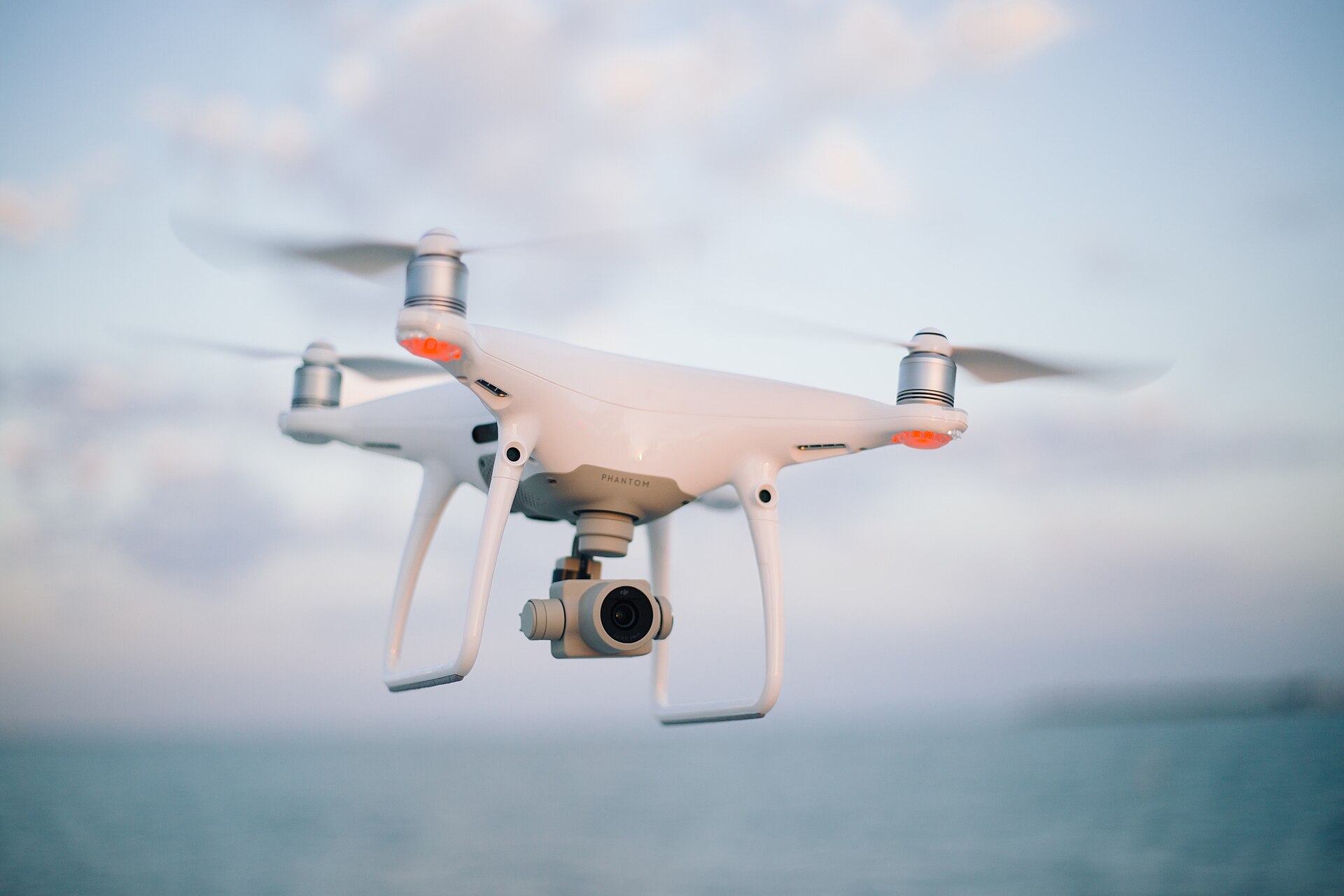
Everyone has a phone in their pocket, and a drone now travels in an ordinary suitcase, and it is precisely these two devices that can create unexpected trouble on a trip. A shot you take freely in one country ends in a fine, or even confiscation of the device, in another. Photo and drone rules are not written for tourists, so nobody warns you in advance. Below I have written what you should know before setting out.
Where you cannot take photographs
| Military sites | Forbidden in almost every country |
| Border and customs zones | Including passport control |
| Some museums | Either entirely, or with a flash and a tripod |
| Places of worship | Especially during worship and towards people |
The second line is where tourists stumble most. Photographing the passport control area at an airport is forbidden in many countries, and that is not always shown on a sign. The same rule can apply at metro entrances and in front of government buildings.
When photographing people the rule is simple: ask permission. In Europe the rules on personal data protection are strict and sharing a recognisable face can lead to a complaint. Never photograph children without a parent’s permission.
How drone rules vary by country
On drones there are three different situations. In the first group of countries a drone is free to use, but the operator has to register and observe certain distance rules. In the second group a permit system operates, that is, an application is made before the flight.
In the third group drones are banned outright and are taken at customs. That list changes, so check the site of that country’s civil aviation authority before setting out. In Europe drone rules have been brought into one system and the conditions are explained on the European Union Aviation Safety Agency site.
Read more: Travel safety: documents, money, street schemes and digital rules
The general restrictions in drone rules
Even in countries where it is allowed, several rules are almost everywhere the same. You cannot fly near airports; the distance varies by country, but five to eight kilometres is a typical figure. Flying is forbidden in national parks, over crowds and in military zones.
The height limit is usually a hundred and twenty metres, and the drone must always stay within your line of sight. The batteries have to be carried in hand luggage; taking them in checked baggage is forbidden. Checking the flight zones needs internet for the map apps, and a travel eSIM provides that everywhere. When building the route, getting advice on local rules clarifies these details in advance.
In brief
Do not take a camera out at military sites, border zones and passport control, ask people for permission, look at the sign in a museum. If you are taking a drone, check the country’s rules before setting out, register in advance, put the batteries in your hand luggage. To plan the route and the documents together, fill in the application form.
Note: drone and filming rules change often, so check an official source before the trip.
