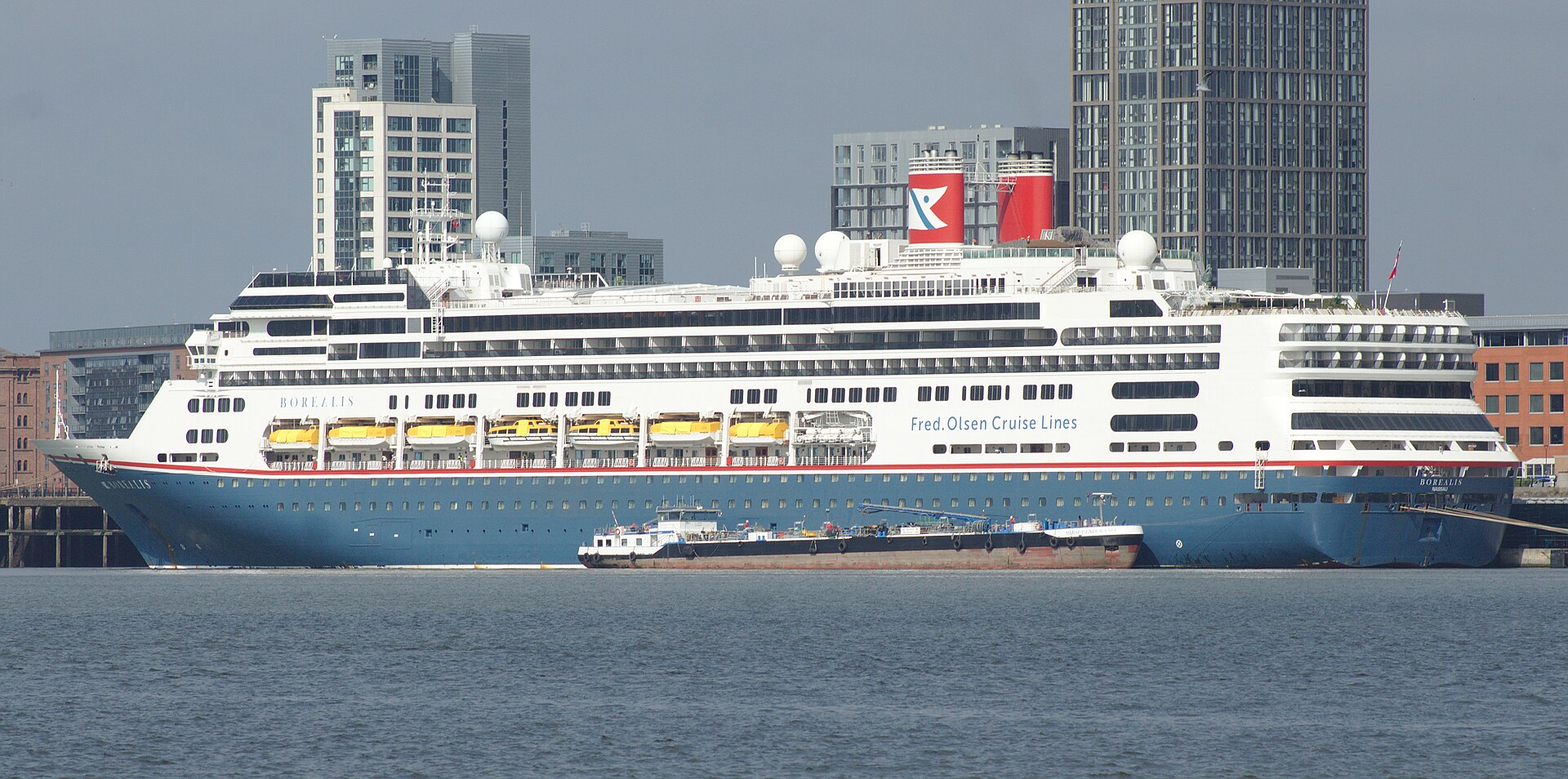
At first glance a cruise looks like the comfortable option where everything is included in one price. The figure in the advertisement, though, is really only the cabin and the food; the rest of the costs surface after you board. The main job in planning a cruise is seeing those costs in advance. Below I have written the rules for choosing and the hidden lines.
Who a cruise suits
This format is for people who want to see several countries with little tiredness. You open the suitcase once, you do not change hotels, and the journey between cities passes at night. It is convenient for those travelling with family too, because the children’s programmes are organised on board.
But you have only one day in each port, sometimes eight hours. That is, if you want to explore a city in depth, this format will not satisfy you. A cruise is good for getting acquainted, and afterwards you go separately to the place you liked.
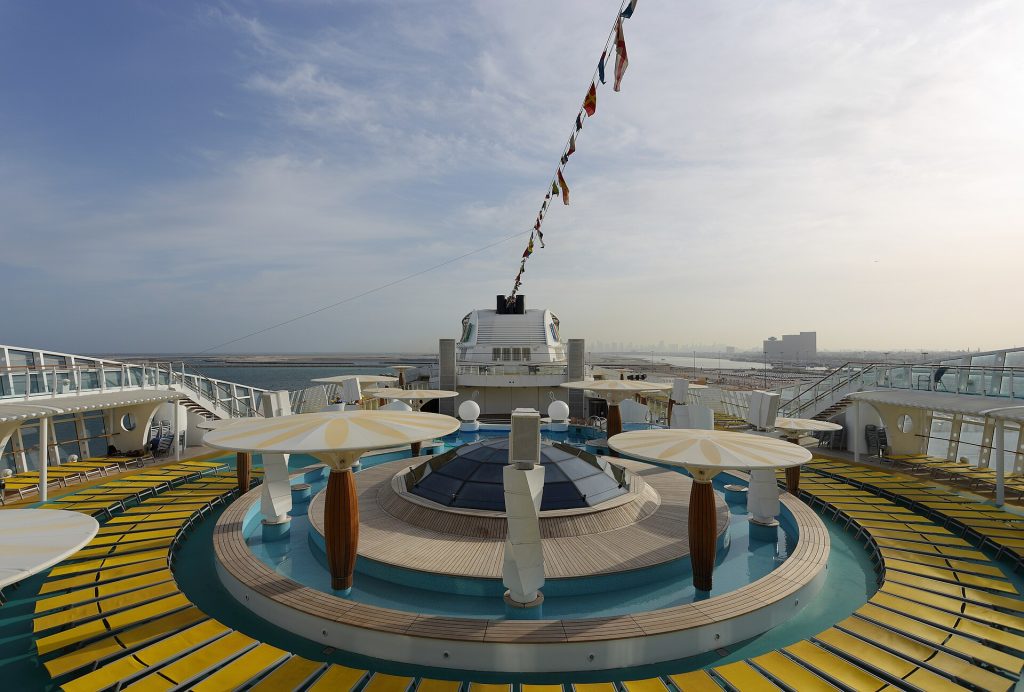
Choosing a cabin and what is not in the price
| Inside cabin | The cheapest, no window, dark enough for sleeping |
| Cabin with a window | There is light, it does not open, a middling price |
| Cabin with a balcony | The most comfortable option, valuable in scenic ports |
| Midship, lower deck | The place where the motion is felt least |
The price usually includes the cabin, the main restaurants and the ship’s programme. What is not included is a separate line. The drinks package and the excursions are paid for separately, the speciality restaurants and the internet are outside the price too, and on top comes the daily service charge. The last of these is the least expected, because it is written to your account automatically per person every day and adds up to a serious amount on a week-long trip.
Read more: A group tour or independent travel: which to choose in which case
The visa and ports question
This clause is where mistakes are made most. If the ship enters the ports of several countries, those countries’ entry rules apply to you too, and in some cases a separate visa is required. Most Mediterranean routes run between Schengen countries, that is, a Schengen visa is essential.
If the route has a port outside the Schengen zone, Turkey or Egypt for example, a separate rule applies there. Look at the number of entries on the visa too, because re-entering the zone is sometimes counted as a new entry. To check the route and the visa requirements together, getting advice on cruise routes removes this confusion.
Practical rules during a cruise
Arrive in the embarkation city a day early, because a flight delay burns the whole trip and the ship does not wait. Taking a hotel near the port for that night removes the morning rush. If you buy an excursion from the ship itself, it waits for you in the event of a delay; if you buy it elsewhere, there is no such guarantee. In short port calls that difference matters. From the airport to the port, meanwhile, a private transfer with a suitcase is the least stressful route.
Those prone to seasickness should choose a cabin midship and on a lower deck, and keep medicine to hand. Payments on board are written to your account by card, so check the bill on the last evening. Passenger rights in sea transport are explained on the European Union’s official portal.
In brief
Add the service charge, the excursions and the drinks package to the advertised price and work out the real figure. Choose the cabin with the motion in mind, arrive at the port a day early, check the visa requirement for every port. To build the route and the visa process together, fill in the application form.
Note: cruise companies’ terms differ, so check in writing what is included in the price before booking.
