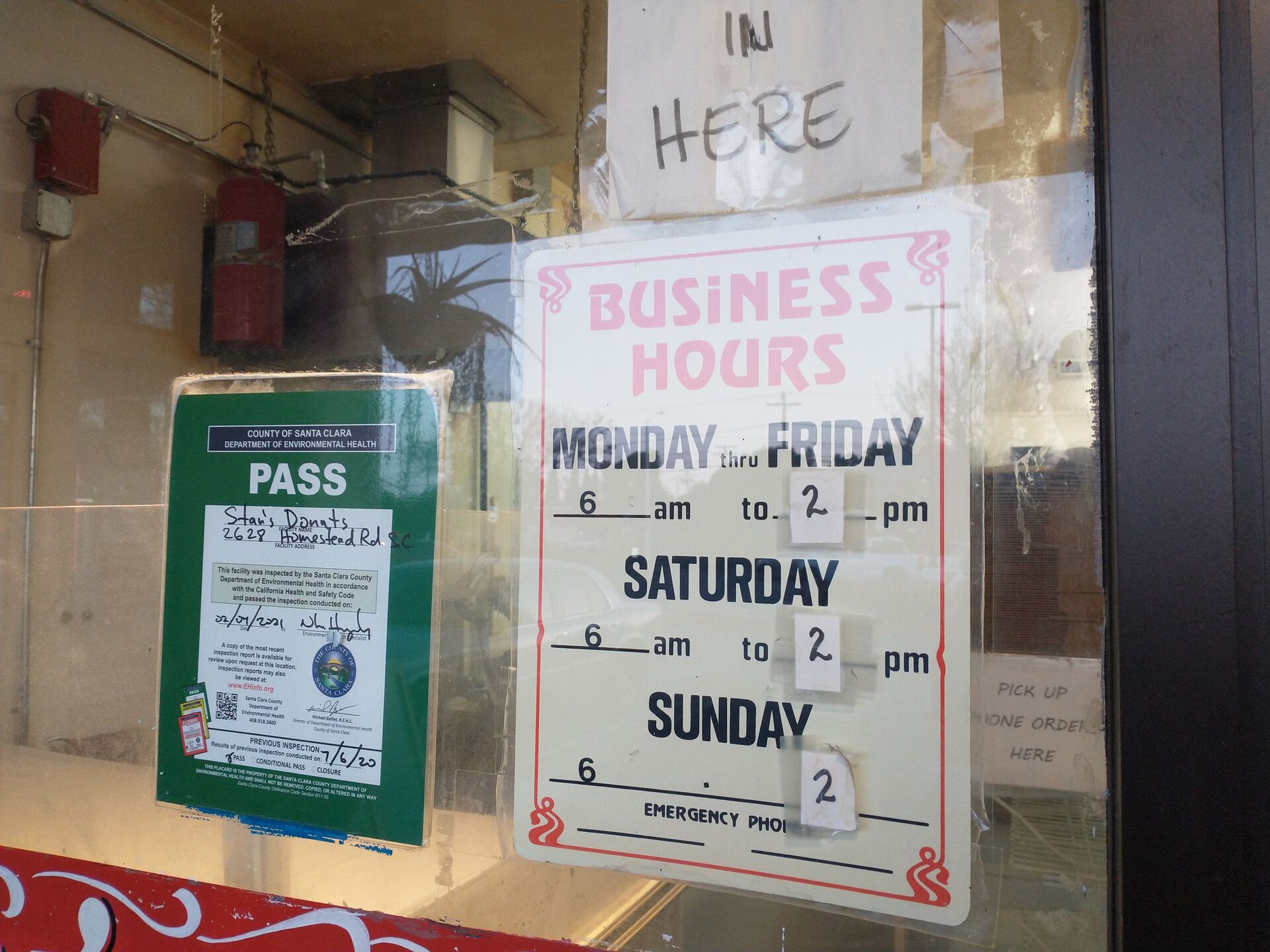
You have built the route beautifully, you have bought the tickets, you arrive and you see a notice on the museum door: closed on Monday. This is the most repeated and most easily prevented loss in travel. Closing days are not random; on the contrary, they have a logic that recurs very often. Below I have written that logic and how to fit the plan to the calendar.
The general logic of closing days
| Monday | In Europe the great majority of museums are closed |
| Tuesday | In France the rest day of some large museums |
| Friday | In the Gulf countries the midday prayer break |
| Sunday | In Germany and Austria the shops are closed |
The last line is what travellers from Azerbaijan forget most. In many European countries the supermarkets do not open on Sunday either; only the shops at stations and airports stay open. So do not plan to buy food on that day.
Churches and temples, meanwhile, have hours of worship, and during them entry for tourists stops. That is usually in the morning and the evening, so planning a visit for the middle of the day is more reliable.
How national holidays change the route
On a national holiday a city either closes entirely or comes entirely alive, and both affect your plan. In the middle of summer the local restaurants in many Italian and Spanish cities go on holiday, and in August some small businesses are closed for the whole month. You have to know this in advance, because the guidebooks do not write it.
On the other hand, a holiday can be the city’s finest moment: the street procession, the concert and the fireworks happen precisely on that day. That is, the holiday calendar is a list of both risks and opportunities. Book the hotel well before the holiday, though, because prices rise on those days.
Read more: Choosing a season for travel: high, low and shoulder season
The rule for checking the calendar for closing days
Add one step after you write the route. Open the official site of every place you want to see, write down the opening hours and the rest day, then copy them into your own calendar. That takes twenty minutes and saves several days. For the most famous places, buying a ticket with the date and hour written on it lets you see both the closing day and the queue in advance.
The second step is to check the country’s holiday calendar, because on a holiday the museums, the banks and sometimes the transport all work to a different regime. The third step is the reserve plan: for each day write an alternative in place of the site that could turn out to be closed. To build the route with this logic, looking at ready programmes can be a starting point too.
Turning a closing day to your advantage
Closing days are given over to the open-air part of the city: parks, neighbourhood walks, markets and viewpoints. In many cities Monday is at the same time the least crowded day, that is, the streets are yours. Let it be a planned day rather than an accidental one.
Some museums have one day of free entry a month, and that is usually the first Sunday. If you know that day, fitting the route to it has a direct effect on the budget. Information about the cultural calendar and events in Europe is set out on the European Commission’s culture portal.
In brief
After you write the route, check every site’s rest day and the country’s holiday calendar. Keep Monday for an open-air programme and Sunday for a day without shopping, and write one reserve option for each day. To build the route and the visa process together, fill in the application form.
Note: opening hours and the holiday calendar change every year, so check the official site before the trip.
