When a plan changes the first question that comes to mind is what to do with the ticket. Most people say “it was a cheap fare, the money is gone” and close the matter, whereas that is not entirely true. Changing or refunding a ticket is possible in many cases; the conditions are simply written in the ticket’s fare. Below I have written how to read those conditions and how to get part of the money back.
When changing a ticket is possible
Every ticket has a fare rule and three things are written in it: can it be changed, can it be refunded, and how much is the fee. That rule has to be read before buying, because it cannot be changed afterwards. On the cheapest fares both possibilities are usually closed.
There is one important exception: if the airline itself changes the schedule significantly or cancels the flight, a right to a free change or a full refund arises regardless of the fare. So read the schedule change letters from the company carefully; that option is often offered in them.
Fare types and the logic of the penalty
| The cheapest fare | No change and no refund, baggage separate |
| Standard fare | Can be changed on payment of a fee |
| Flexible fare | Free changes, often a refund too |
| Business class | The freest terms, the highest price |
Two amounts arise on a change: the change fee and the fare difference. Most people expect only the first, whereas the second is usually larger, because the price has gone up for nearer dates. Before changing the date, look at the price for the new day; sometimes buying a new ticket comes out cheaper. Checking the ticket price for the new date takes a minute and makes the decision easier.
Read more: Booking and cancellation rules: which option to choose when the visa is not ready
Even a non-refundable ticket has a part you get back
This is the least known and most useful point. The price of a ticket consists of two parts: the airline’s fare and the airport and state taxes. If you do not fly, those taxes have to be returned to you, because they are charged only for a real passenger.
This works even if the fare is non-refundable; it simply does not happen automatically and an application has to be written. The amount sometimes reaches a quarter of the ticket, so it is worth writing. If you bought the ticket from an agency, make the request through that agency, as the airline does not accept it directly. When planning a route, checking the fare conditions alongside the price saves considerable time later.
Practical steps for changing a ticket
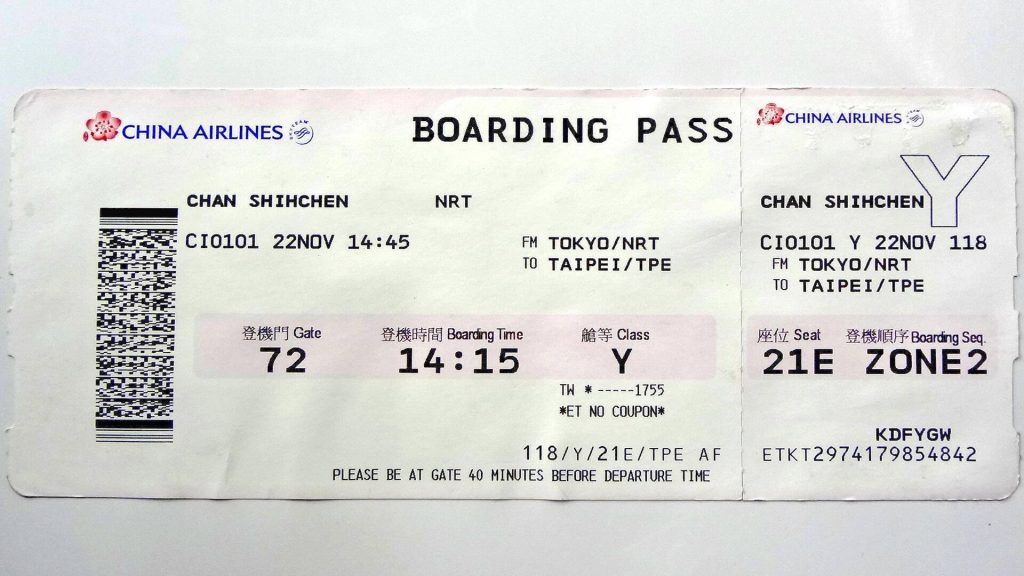
The first step is to find the booking reference and the fare name; both are on the ticket. The second step is to go into the management section of the company’s site and look at the available options. When you telephone, some companies charge an additional service fee, so try online first.
Do not forget one rule: if you do not turn up for the first flight, the rest of the route is cancelled automatically. That is, missing the outbound flight and using the return is not possible. If your plan has changed, be sure to inform them before the flight. The international standards for air tickets are explained on the IATA site.
In brief
Read the fare rule before buying, calculate the fee and the fare difference together when changing, and claim the taxes separately on a ticket you do not fly. Read the schedule change letter carefully and never simply miss the first flight. To build the route and the visa process together, fill in the application form.
Note: fare conditions vary by airline and sales channel, so in a specific case check the ticket’s own rules.
