Belgrade is not a beautiful city, and the people of Belgrade say so themselves. The architecture is a jumble, because the city has been destroyed more than forty times in its history. What it has instead is energy: it was built where two rivers meet, its nightlife is known across Europe and prices are low. There is a direct flight from Baku and no visa is required. Below I have written a two- or three-day route.
The Kalemegdan fortress
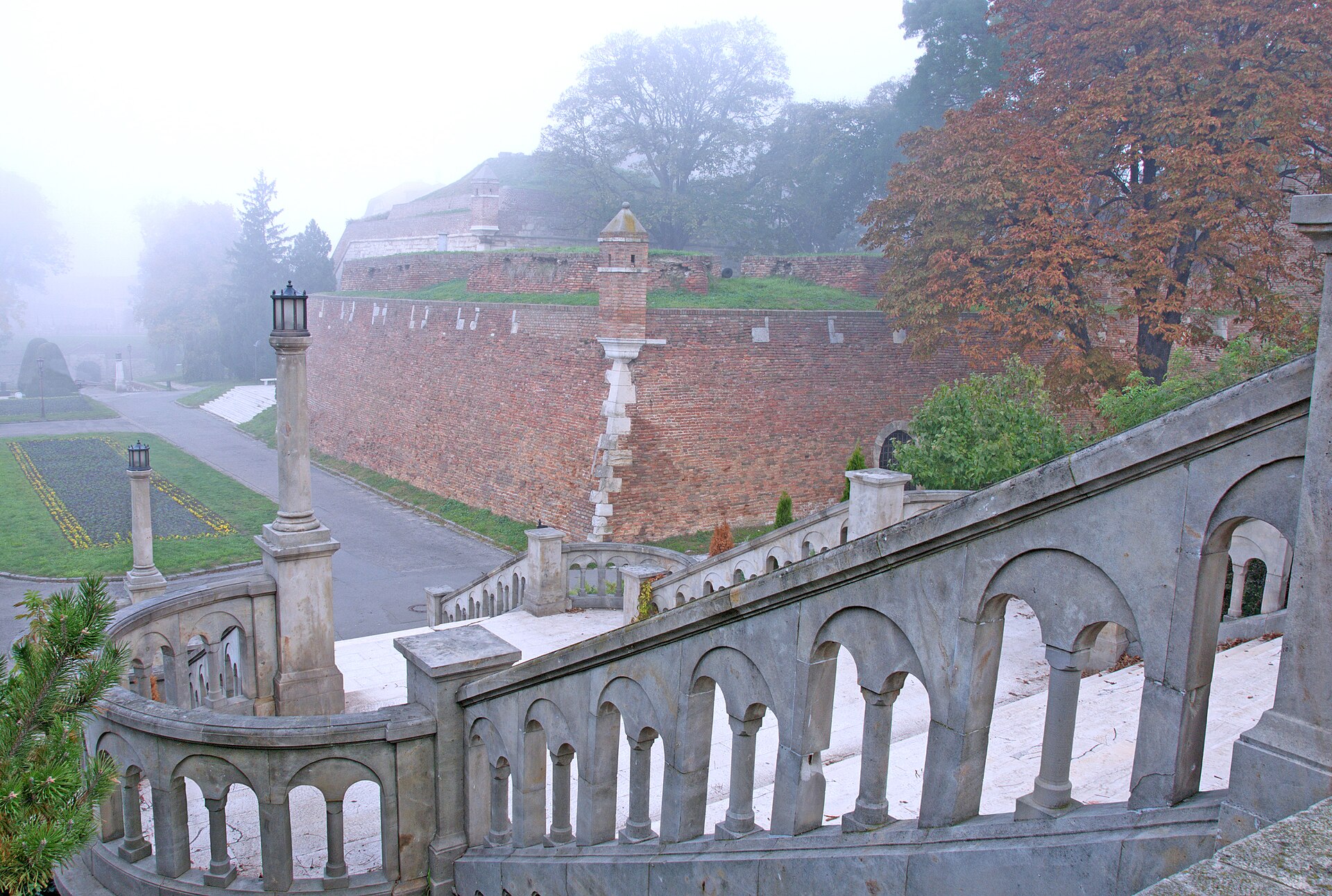
The fortress stands on the hill where the Sava and the Danube meet, and the best view of the city is from there. Entry is free, and inside there is a park, museums and old military hardware. The victory statue called Pobednik is at the edge of the rock. At sunset the place fills with locals.
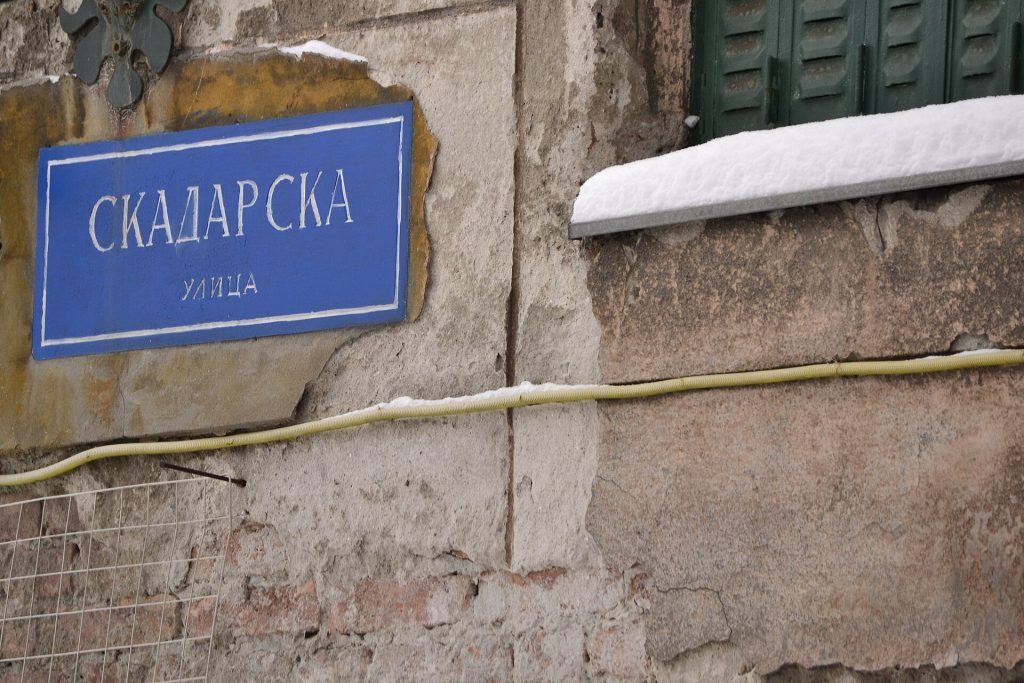
The Knez Mihailova pedestrian street begins at the fortress and runs to the centre. The National Museum and Republic Square are on the way. Skadarlija, the old bohemian quarter, is a cobbled street where restaurants work with live music.
The temple of Saint Sava and Zemun
The temple of Saint Sava is the largest Orthodox church in the Balkans, and its interior mosaic was completed recently. Entry is free, and you feel the scale of it as soon as you step inside. The Nikola Tesla museum nearby holds the scientist’s ashes, and real devices are switched on during the demonstrations — it is the best place in the city to go with children.
Zemun was once a separate town and stayed on the Austrian border, so its architecture differs from Belgrade’s. The Danube is visible from the Gardoš tower, and fish restaurants are lined up along the shore. It is half an hour away by bus.
Nightlife and food in Belgrade
The floating bars called splav are built out on the river and are the city’s main entertainment in summer. There is a row of restaurants along the Beton Hala waterfront. Those same places are interesting for the food and the view for anyone who does not drink.
Serbian cooking is built on meat, and ćevapčići and pljeskavica are the best-known dishes. Burek is a breakfast and comes to a few euros. The portions are large, and one order is often enough for two. Halal restaurants can be found in the centre, but there are not many, so it is worth looking in advance.
Transport and budget in Belgrade
There is no metro, but the buses and trams cover the city. Tickets are bought at a kiosk and validated on board. The A1 bus from Nikola Tesla airport to the centre takes thirty minutes and is cheap, while a taxi should be taken with a fixed-fare voucher. There is a direct flight from Baku, which makes this the easiest way into the Balkans; check the prices in the bilet.az search.
A three-star hotel in the centre is 45–80 euros, and 40–70 in the Vračar district. Choosing your hotel by walking distance to the centre works here, because the city is compact. Lunch in a restaurant is 8–15 euros and a coffee around two. The train to Novi Sad is an hour; compare the tickets in one search. Official information is on the Serbia Travel site.
The season in Belgrade
May–June and September are the best months, at 22–28 degrees, and the riverbanks come alive. July and August climb to 35. Winter is cold, hovering around zero, but the city works all year. Spring is rainy.
In closing
Belgrade wins you over with atmosphere and prices rather than architecture, and on top of that there is a direct flight from Baku. Spend sunset at Kalemegdan, give one evening to Skadarlija, and cross to Zemun. For a visa and a route, fill in the application form.
Note: the prices in this article are those at the time of publication and may change with the exchange rate.
