Serbia is the easiest door into the Balkans for us. There is no visa, AZAL flies direct from Baku to Belgrade, the prices are cheap and the people are hospitable. And Belgrade has one of the liveliest night scenes in Europe; at three in the morning the clubs on the river are still full.
But Serbia is not only Belgrade. There are the fortress of Novi Sad, the monasteries of Fruška Gora and the mountain air of Zlatibor, while the view over the Drina from Tara park and the mineral water of Vrnjačka Banja are a reason to come in their own right. Below I have gathered Belgrade, Novi Sad, the mountain resorts, the transport, the food, the season, the registration rule and the budget.
Serbia in brief
| Capital | Belgrade |
| Language | Serbian; English widespread among the young, Russian is understood |
| Currency | Dinar (RSD), 1 euro ≈ 117 dinars; cards in the city, cash in the market |
| Visa | 90 days visa-free for citizens of Azerbaijan; registration within 24 hours |
| Best time | May–June and September; Kopaonik skiing December–March |
| Flights | Baku–Belgrade direct, AZAL, 3.5 hours |
| Daily budget | 50–80 euros at a mid-range level |
Belgrade: Kalemegdan, Skadarlija, the river clubs
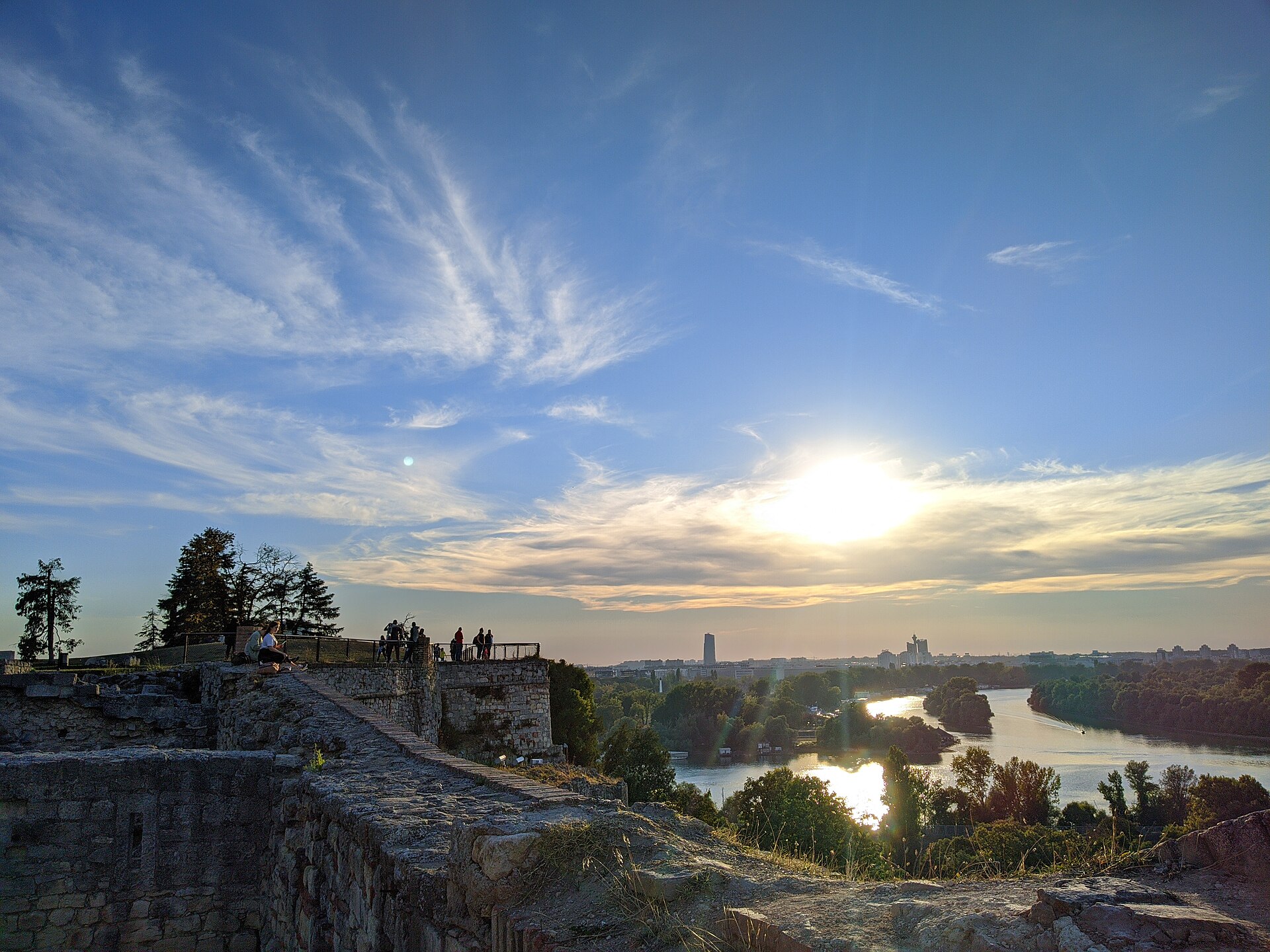
Belgrade is a seven-thousand-year-old city where the Sava meets the Danube, and it wants two or three days. The Kalemegdan fortress and park look out over the meeting of the two rivers — the best place for the sunset, free, and the whole city comes out there in the evening. The Knez Mihailova pedestrian street and Republic Square are the centre of the city. Skadarlija is the bohemian street, full of old kafanas and live music. The temple of Saint Sava is one of the largest Orthodox churches in the world. The Nikola Tesla museum must be seen. The old town of Zemun and the Gardoš tower are another day’s programme. And in summer the Ada Ciganlija river beach opens.
The «splavovi», that is the raft clubs on the river, are the symbol of Belgrade’s night life. They are lined up along the Sava bank, and even if you do not drink it is worth walking past them. Belgrade Waterfront, meanwhile, is the city’s new quarter.
Belgrade is cheap, comfortable and alive even at two in the morning. On its edge the Avala tower gives the whole panorama, while Topčider park is for a quiet walk.
Novi Sad, Zlatibor, Tara, Đerdap: Serbia outside the capital
Novi Sad is thirty minutes from Belgrade on the fast train. It is the Austro-Hungarian-spirited capital of Vojvodina. The Petrovaradin fortress stands above the Danube, and on the famous «drunken clock» tower the hands work the other way round. In July the EXIT festival is held inside that very fortress. Freedom Square and Dunavska street are in the centre, and one day is enough for the city. Nearby are the wine village of Sremski Karlovci and the sixteen Orthodox monasteries of Mount Fruška Gora.
Zlatibor in the west is a mountain resort at a thousand metres. The Zlatibor Gold Gondola is one of the longest panoramic cable cars in the world, and nearby are the Stopića cave and the Sirogojno open-air museum. The resort works all year.
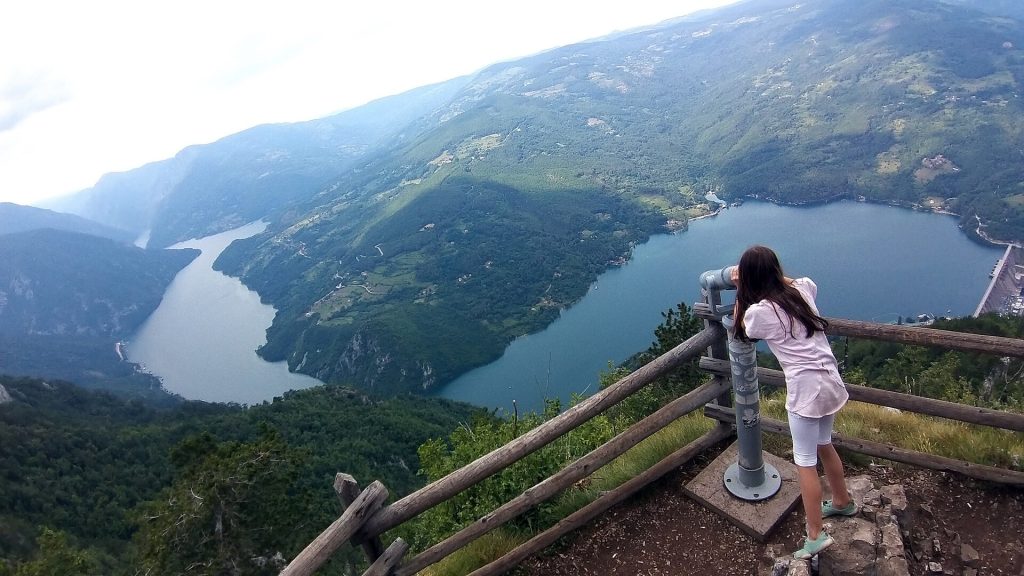
At Mokra Gora the Šargan Eight narrow-gauge railway and Kusturica’s wooden village of Drvengrad await you. In Tara national park the Banjska Stena viewpoint opens onto the Drina canyon and Lake Perućac, and everybody has seen the photograph of the lone house on the Drina. With Zlatibor as a base this region takes two or three days.
Đerdap is the Iron Gates gorge where the Danube cuts through the Carpathians; there stand the Golubac fortress and the eight-thousand-year-old settlement of Lepenski Vir, and the journey from Belgrade is two hours.
In the south Niš is Constantine’s city, Novi Pazar is a Muslim town, and Kopaonik is the country’s largest ski resort. Vrnjačka Banja is the most famous spa with its mineral water, while Sokobanja is known for its mountain air.
Transport in Serbia: the Soko train, buses, Yandex Go
From Belgrade to Novi Sad the Soko fast train takes thirty minutes and costs eight euros. It leaves Belgrade Centre station once an hour and carries on to Subotica.
In the other directions the main transport is the bus. From Belgrade to Zlatibor it takes four hours and costs twelve euros, and to Niš it is three hours; you buy the tickets at the bus station or online.
Inside the city Belgrade’s buses and trams are currently on a free trial. The Yandex Go and CarGo taxi apps charge 2–5 euros, and from the airport into the centre the A1 bus is three euros and a taxi twenty.
A car is the best option for Zlatibor, Tara and Đerdap, and daily hire is 25–40 euros. The motorways are tolled, and the mountain roads are scenic and full of hairpins. Registration within twenty-four hours of arrival is done automatically by the hotel, while those staying in a flat must go to the police. The white card you are given may be asked for on departure, so keep it.
Ćevapi, pljeskavica, kajmak: Serbian food
Serbian cooking is built on meat and embers. Ćevapi are little sausages served in lepinja bread with onion and kajmak, pljeskavica is a patty bigger than the plate, and karađorđeva is a schnitzel. Sarma and gibanica, that is a cheese pastry, are on every menu, and burek is breakfast and is eaten with yoghurt.
Ajvar pepper paste, kajmak cream cheese and the pršut of Zlatibor complete the table. And you spend the evening in a kafana with live music.
Lunch in a restaurant is 6–10 euros, dinner in a kafana 12–20 and ćevapi 3–5, which is to say among the cheapest in all the Balkans.
Halal food is available in a few Turkish and Bosnian restaurants in Belgrade, and in Novi Pazar everything is halal. Ćevapi are mainly made of beef, but there can be a pork mixture, so ask for «junetina», that is beef. Gibanica and burek come with cheese and without meat. The tap water is drunk, and Knjaz Miloš mineral water is the country’s symbol.
Season and weather
May-June and September are the ideal months. In Belgrade the weather is 22–28 degrees, and the river clubs and Ada Ciganlija stay open.
In July-August the temperature rises to 33–38 degrees, and Zlatibor and Tara turn into the cool escape. The EXIT festival fills Novi Sad at the start of July, and the Guča trumpet festival is held in August. In October Tara and Fruška Gora are wrapped in autumn colours.
From December to March it is the ski season at Kopaonik and a day pass is 35–45 euros. Belgrade is especially festive at New Year, while the winter passes at minus five degrees and foggy. Regional, resort and event information is on the Serbia Travel portal.
Budget and tickets
In Belgrade a three-star hotel is 45–75 euros and a four-star in the centre 80–120. A flat is 35–60 euros, in Novi Sad 40–70, and a mountain hotel in Zlatibor comes to 50–90. In Vrnjačka Banja a sanatorium with treatment is 40–70 euros, while a hostel starts from 12–20.
Kalemegdan, Saint Sava and Petrovaradin are free. The Tesla museum is eight euros, the Zlatibor cable car fifteen and the Šargan Eight train ten. Taking the day tours from Belgrade to Novi Sad and Zlatibor online is the most comfortable way for those travelling without a car.
Excluding the flight, a week-long trip fits into 450–700 euros per person, and that is among the lowest figures in Europe. AZAL flies direct from Baku to Belgrade and Air Serbia operates the route too; a ticket to Belgrade gets dearer in summer and over the New Year holiday. Serbia tour packages fitting Belgrade, Novi Sad, Zlatibor and Tara into one week settle the car, the mountain hotels and the Drvengrad programme together, and combining the route with Bosnia and Montenegro is easy as well.
Frequently asked questions about Serbia
How many days does Serbia need?
Three days for Belgrade, one for Novi Sad, two or three for Zlatibor and Tara — a week in all. For a weekend trip, Belgrade alone for three days.
Can Serbia be the start of a visa-free Balkan route?
Yes, Bosnia and Albania are visa-free too, and the bus from Belgrade to Sarajevo is seven hours. Montenegro is open to those with a Schengen visa, and the Bar–Belgrade train is a scenic journey.
Is Belgrade safe?
Yes; although it is known for its night life, street crime is low. Avoid taxis without a meter, call one by app, and on football match days stay away from around the stadium.
In closing
Visa-free, with a direct flight and at Europe’s cheapest prices, Serbia gives you a lively capital, a mountain resort and the Danube view in one week, and it is the most comfortable start to a Balkan route. The entry and registration rules are gathered on the Serbia page, and to build the Belgrade and Zlatibor route together, fill in the application form.
Note: the prices here are as of the publication date and can change with the season.
