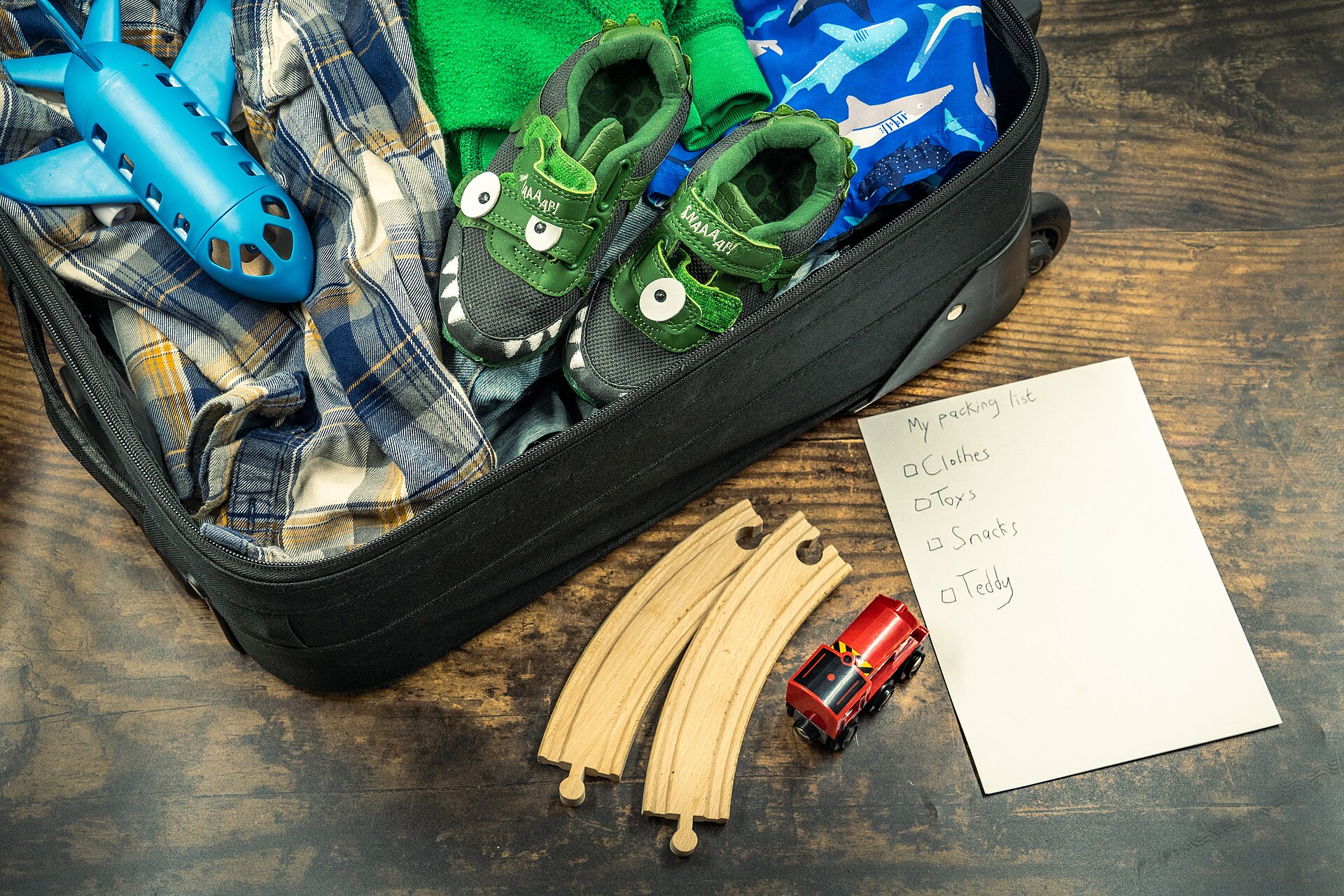
Travel with children is not harder than travelling alone, it is simply different. The rhythm slows, the route shortens, and in return you see everything a second time, through the child’s eyes. The greatest trouble arises not out walking but in the documents, because there are separate rules for a child. Below I have written the documents, the flight and the route one by one.
Documents for travel with children
The child must have their own passport; being entered in a parent’s passport is no longer accepted. Keep the birth certificate with you too, because that is exactly what is asked for when the family relationship has to be proved.
The most important point, though, is this. If the child is travelling with only one of the parents, notarised consent from the other parent is needed. That document can be asked for at the border, and without it they do not let the child through. In divorced families, or if a parent has died, the relevant court decision or certificate is required.
The flight when you travel with children
A child under two usually does not take a separate seat, and the ticket costs about a tenth of the adult price. After the age of two a full seat is bought, though with some companies the price stays reduced. You can ask for a cot at check-in, but the number of places is small, so order it as soon as you buy the ticket.
Earache during take-off and landing is the most common problem. Feeding a baby at that moment, or giving an older child water or a sweet, takes the pain away. Tiring the child out before the flight is an old method, but it works.
Building the route around the child
One main point a day is enough. In the morning you go to a museum or a park, in the afternoon you have a long lunch, and then you go back to the hotel and rest. That rhythm works at almost any age. A parent who puts two museums into the same day is, at the second one, trying to carry not the child but themselves.
Take the child into account when choosing the city as well. Prague, Vienna and Budapest are comfortable because they are compact; Rome is hot and involves a great deal of walking; London protects the family budget because its museums are free. At seaside resorts, look for a shallow shore.
Read more: An Antalya travel guide: Kaleici, the coastal districts and day trips
Accommodation and everyday details
A flat with a kitchen is almost always better value for a family than a hotel, because breakfast and the child’s food are prepared at home. A washing machine, meanwhile, reduces the size of the suitcase on a long trip. Filter flat options for a family by the number of rooms and by the kitchen.
Prepare the medicine bag at home, because abroad a familiar medicine may have a completely different name. Do not forget to take the child’s favourite toy; sleeping in a strange room becomes easier with it. Official information about visa requirements for children is on the site of the Ministry of Foreign Affairs.
A package tour or independently
For a family with children a ready package often saves the nerves, because the transfer and the hotel are settled in advance. Look at family tour programmes and compare them with your own arithmetic; on seaside routes especially the difference comes out smaller than you expect.
In one sentence
Travel with children is a matter of documents and rhythm; the rest does not differ from an ordinary trip. Prepare the notarised consent in advance, plan one point a day, choose a place with a kitchen. To prepare the visa documents for a child together, fill in the application form.
Note: requirements for children’s documents vary by country, so confirm them with the consulate before the trip.
